Contemporary fiction (Rwanda / Namibia)
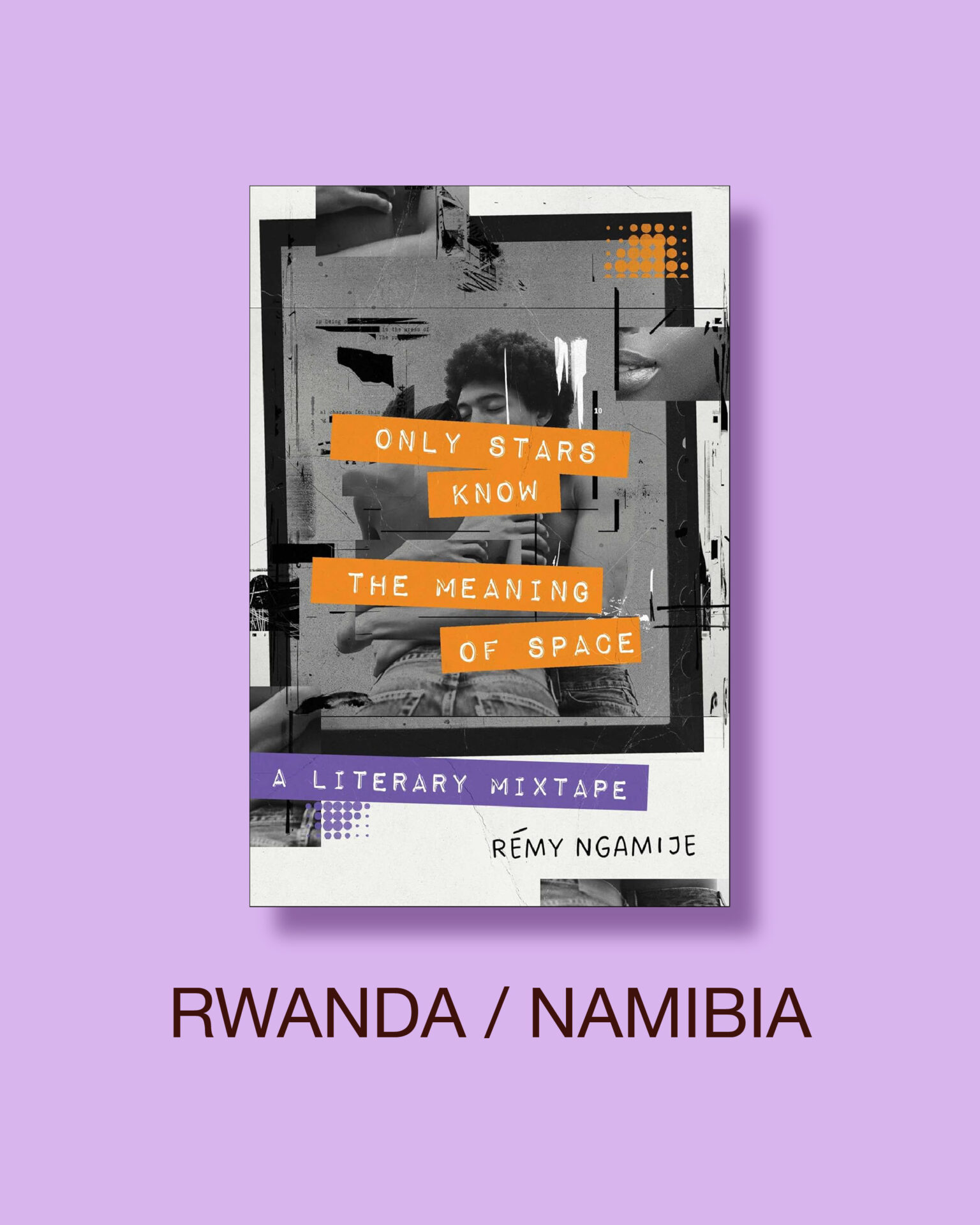
Only Stars Know the Meaning of Space: A Literary Mixtape by Rémy Ngamije (2024)
R395 from The Book Lounge
While Only Stars Know the Meaning of Space promises tales of masculinity and identity, it also explores a deep and celebratory kind of feminism. In this literary mix-tape of interconnected stories, Ngamije offers us a Pan-African journey of memories. He writes with wicked humour, while remaining daringly clever. In his portrayal of complex relationships, Ngamije shows us the ache of the human condition. There were times when I flinched at his honesty, at the sensory reactions that he conjures, and the vivid landscapes, both familiar and unknown, that he paints so intricately. Certain stories will anger you and make you look at the past (both personal and political) head-on and vow to never repeat its mistakes. There is something deeply satisfying in reading something as fresh and rhythmic as this. Riley Herbert-Henry
Art / illustration (South Africa)
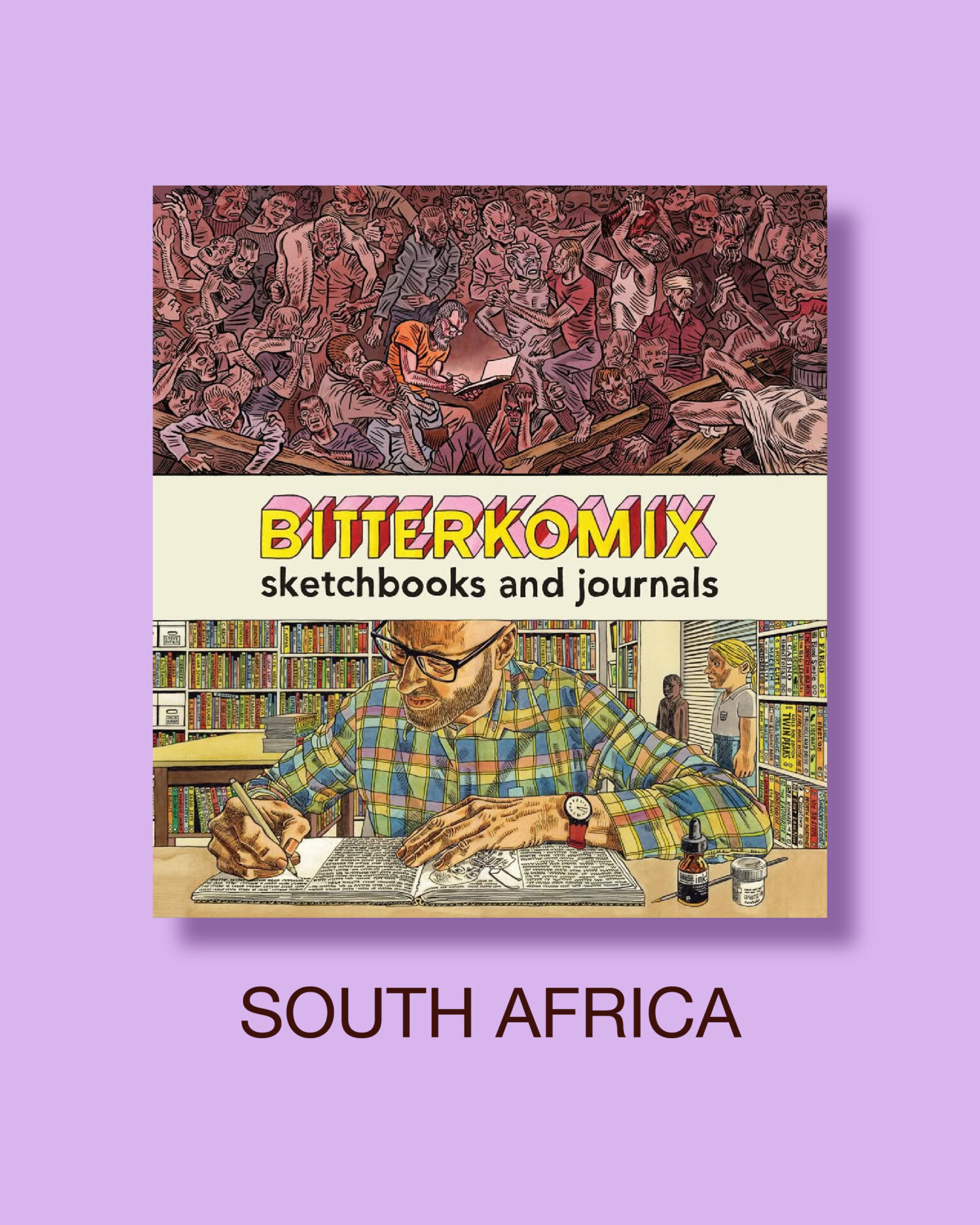
Bitterkomix: Sketchbook and Journals 1991-2025 by Conrad Botes and Anton Kannemeyer (2025)
R760 from The Book Lounge
Bitterkomix: Sketchbook and Journals contains hundreds of images from the sketchbooks of the creative, confrontational duo – Conrad Botes and Anton Kannemeyer – behind Bitterkomix, stretching back through many years of satirical takes on power, race, religion and, perhaps of special relevance today, censorship both state and societal. As the artists point out, time changes how their art is read, and while this might be a deleterious experience for them personally, it is also a compliment to the power of their art. Three images in the book serve to tell this story. The first, Generation Z zombies stumbling around, mumbling ‘We want censorship’ and ‘My feelings are hurt’. The second, a crying man (Anton Kannemeyer), about to shoot himself in the head, saying ‘I’m on the wrong side of history.’ The third is an image of Donald Trump saying, ‘Everything woke turns to shit!’, with commentary in the margins: ‘Unfortunately true in the arts… woke art is shit.’ How you read this book is to some extent going to depend on how you understand the narrative suggested by these images. There has been a censoring backlash by those who find Bitterkomix offensive. The satire of Botes and Kannemeyer worked because it challenged and ridiculed the oppressive mores of the day – and it’s still doing that, with a new type of awareness (only the intellectually lazy will use the shorthand ‘woke’) as the target. But you, the reader, will have to decide exactly what you see here. Chris Roper
Contemporary autobiography (Zimbabwe)
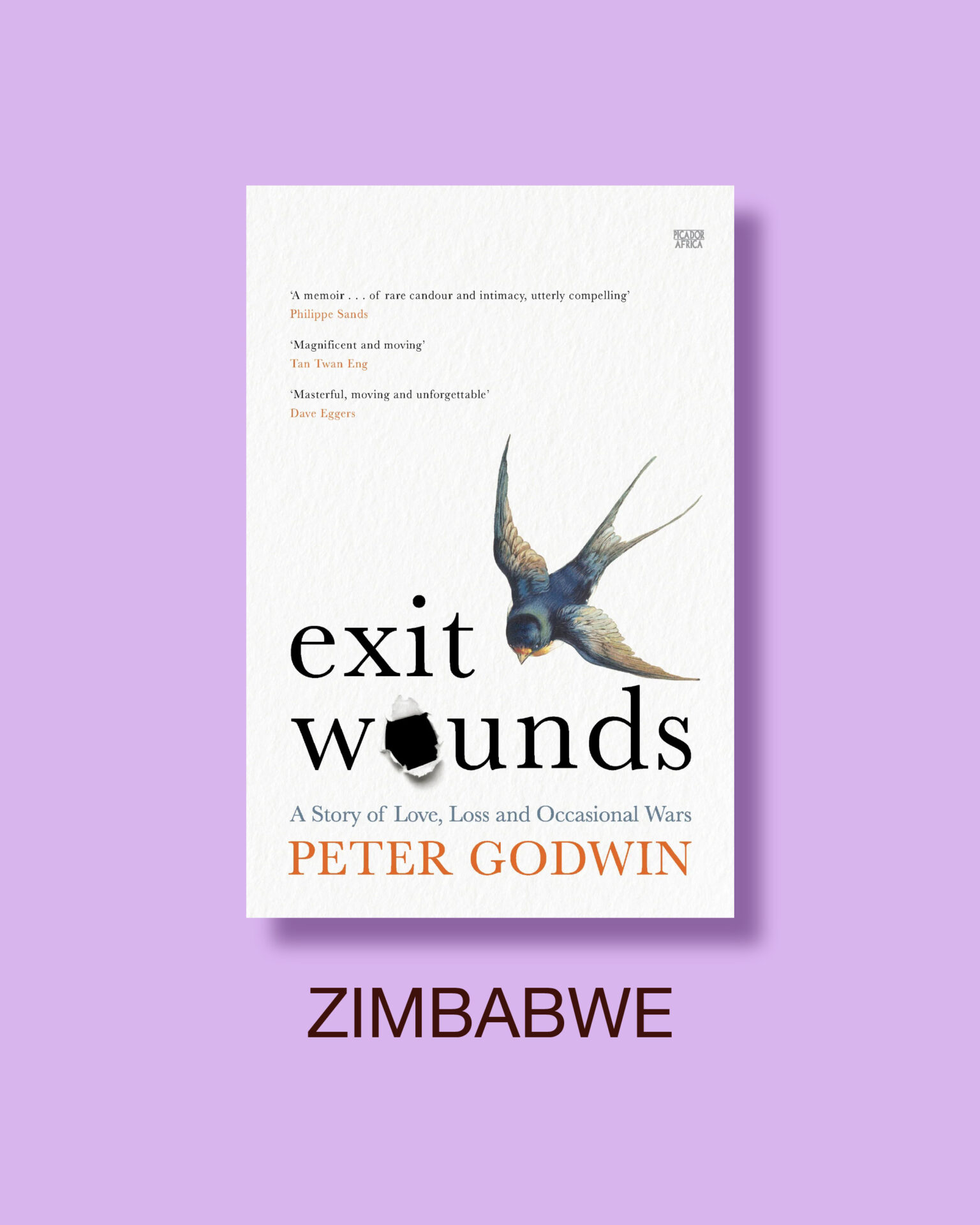
Exit Wounds by Peter Godwin (2024)
R350 from Love Books
Peter Godwin found acclaim for the rich, moving memoirs that detailed his youth in Rhodesia, and subsequent journalistic experiences in post-independence Zimbabwe. They plunged readers into the realities of a country in political and economic collapse and are essential and often tragic accounts of the country’s story. Exit Wounds, Godwin’s most recent slice of autobiography, is a departure from this, and my favourite of his works so far. It’s a less linear, more structurally and lexically playful take on his mother dying and the end of his marriage. Yes, the topics are hyper personal, but the grappling with loss, death and family, also have such universal appeal, that the book is instantly absorbing. Godwin lives in the US, and his mother died in the UK (after working in Zimbabwe as a doctor for most of her life), so the question of ‘home’ and the life and longing of emigrés and refugees run throughout it too. I found that to be especially ‘lump in the throat’ stuff. Sarah Buitendach
Contemporary fiction (South Africa)
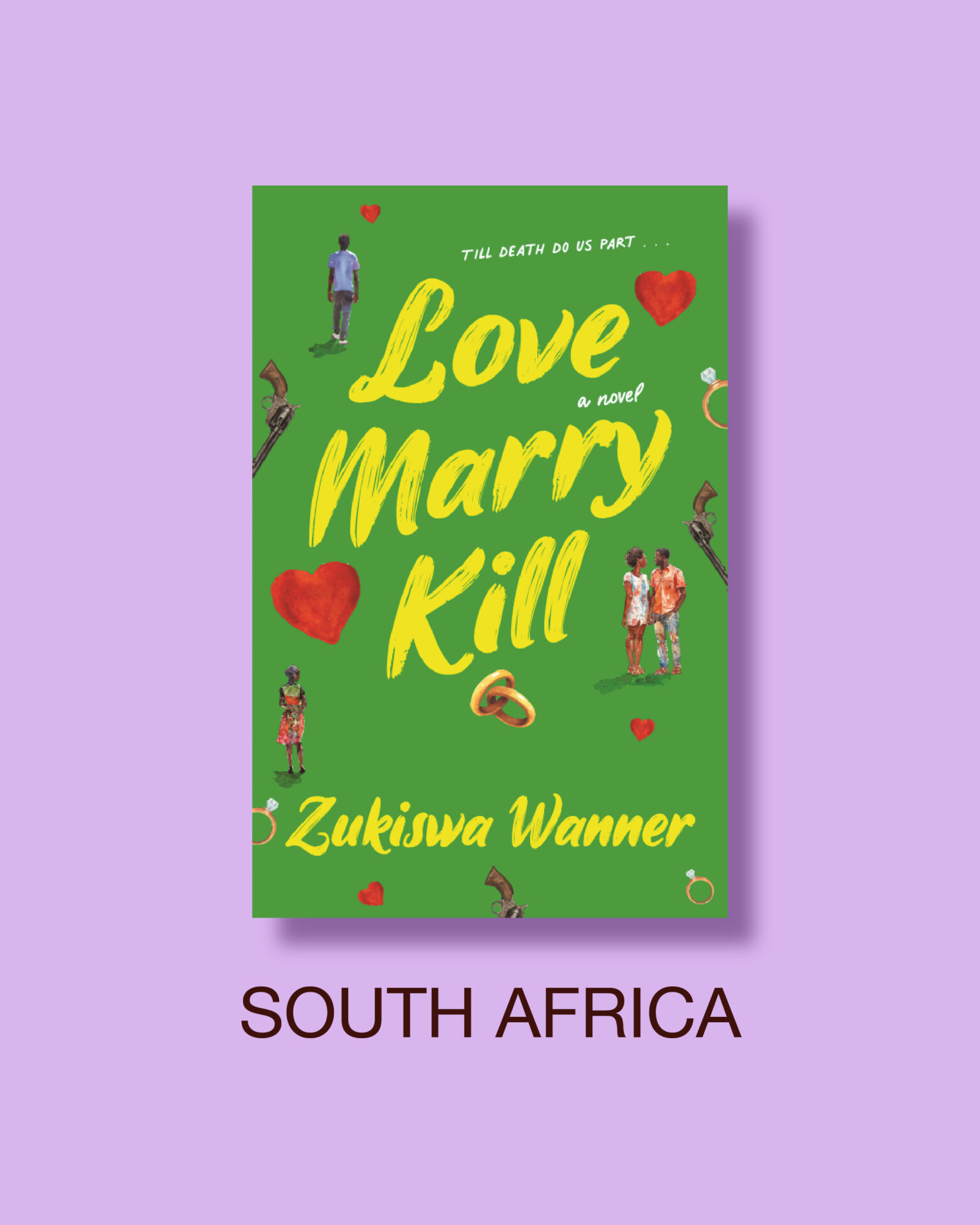
Love, Marry, Kill by Zukiswa Wanner (2024)
R320 from The Book Lounge
What does love demand of us, and at what cost? In Love, Marry, Kill, we follow Owami and Akani from their apartheid-era childhood into the complicated reality of adulthood and marriage. What begins like a familiar love story slowly deepens into something more layered, revealing the moral grey areas that shape relationships. The story captures the quieter ways people hurt each other, through betrayal, emotional distance, and the expectation that women should simply carry on, while also showing how our past and our grief shape the way we love. Moments of humour cut through the heaviness, making the characters feel real and recognisable. As the tension builds and details unfold, it becomes difficult to look away. Rather than offering clear answers, the novel leaves you sitting with uncomfortable questions long after it ends. Delise Francis