Contemporary fiction (South Africa)
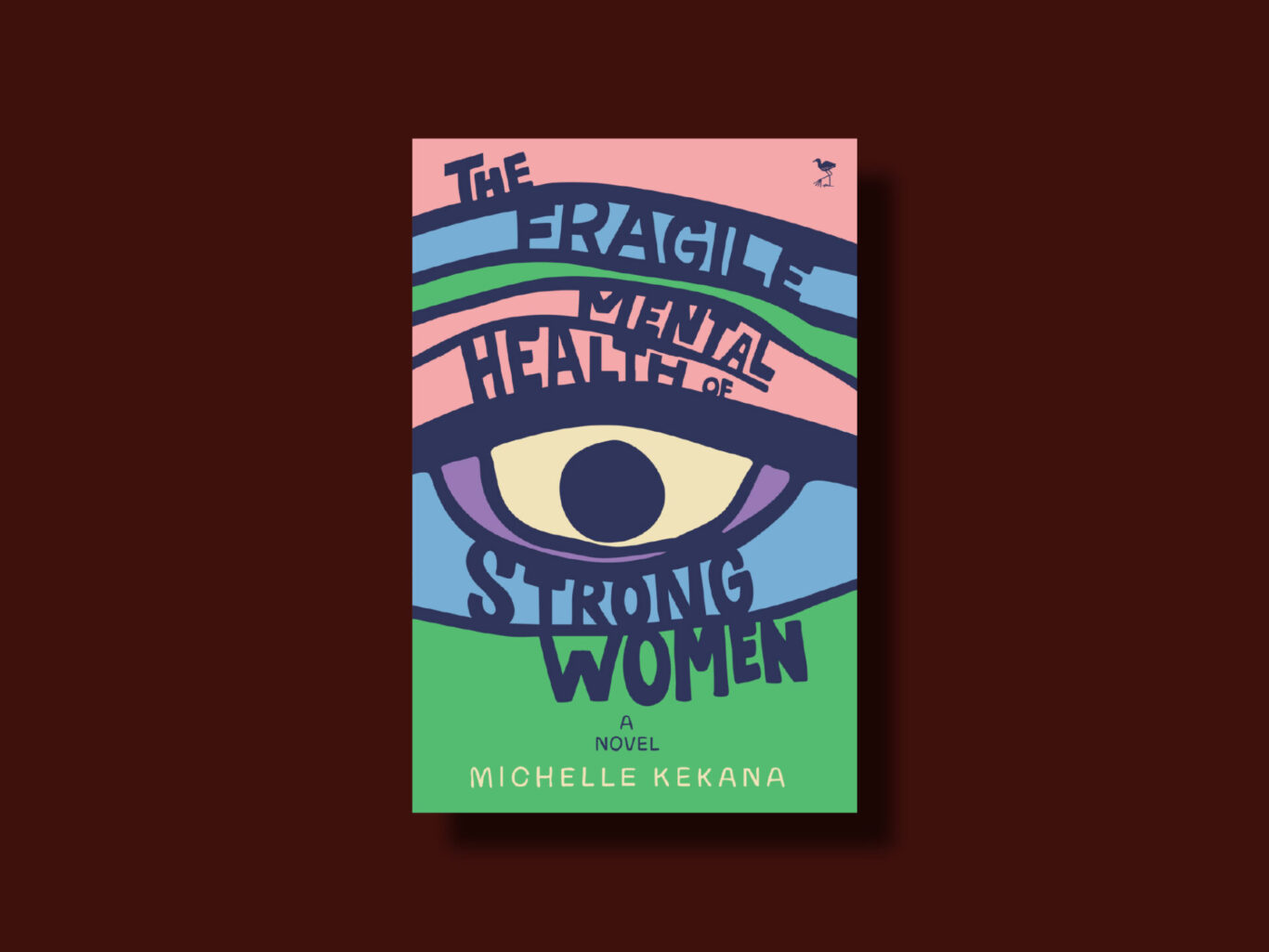
The Fragile Mental Health of Strong Women by Michelle Myeko Kekana (2025)
R280 from The Book Lounge
The Fragile Mental Health of Strong Women is a bold and deeply moving exploration of the expectations placed on women to be strong, and the challenges that come with it. The novel follows three Black South African women, each from different walks of life, as they navigate the complexity of life and their mental health. With emotional depth and powerful honesty, the novel captures the multifaceted experiences of living with mental illness and shines a light on the tension between society’s expectations for Black women to be strong and their lived realities of fragility. Offering characters that feel lived in and stories that reflect the experience of many, the novel is a moving and necessary addition to the conversation about the mental well-being of Black women. Nokwanda Mnxgitama
Contemporary fiction (Nigeria)
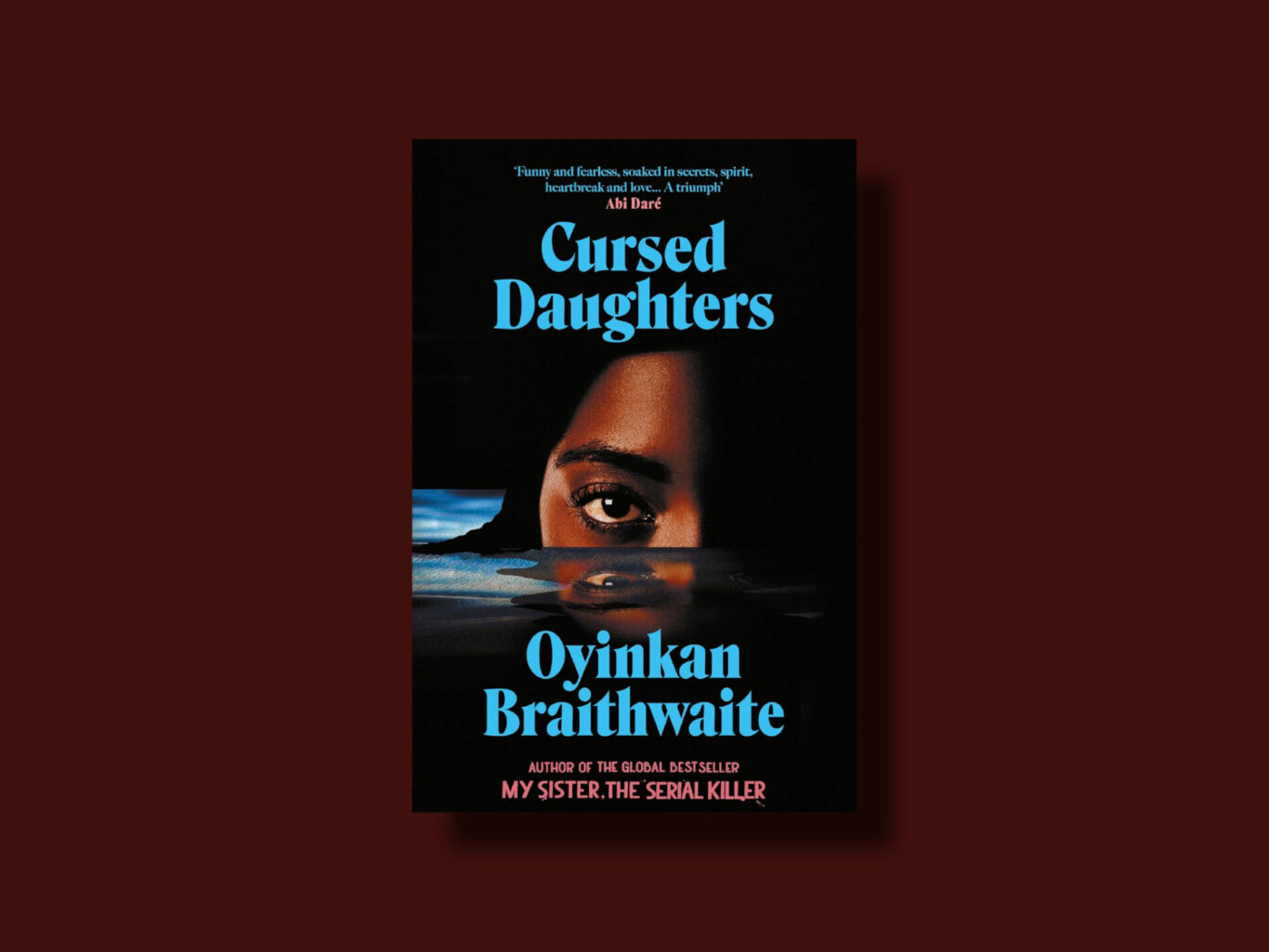
Cursed Daughters by Oyinkan Braithwaite (2025)
R385 from The Book Lounge
Oyinkan Braithwaite’s first novel, My Sister the Serial Killer, garnered a lot of attention, but this is three steps up. It tells the story of the Falodun family and the ancient curse that has prevented the women in the family from holding on to a man – absent fathers are the recurring theme over the generations. In addition, in the present day, Eniiyi is regarded by many as the reincarnation of her aunt, Monife, who died by suicide. This is not something that sits comfortably with Eniiyi, for a bunch of obvious reasons. The novel jumps around a bit between the different generations of Falodun women as Braithwaite narrates their respective difficulties with relationships. Is it the work of the dark curse or more run-of-the-mill toxic patriarchy? This is a question that the author leaves open. Cursed Daughters is a great intergenerational family novel – a reflection on Nigerian patriarchy, intergenerational trauma and the difficult relationship between traditional beliefs and modern urban lifestyles. I absolutely loved it. Mervyn Sloman
Non-fiction (South Africa)
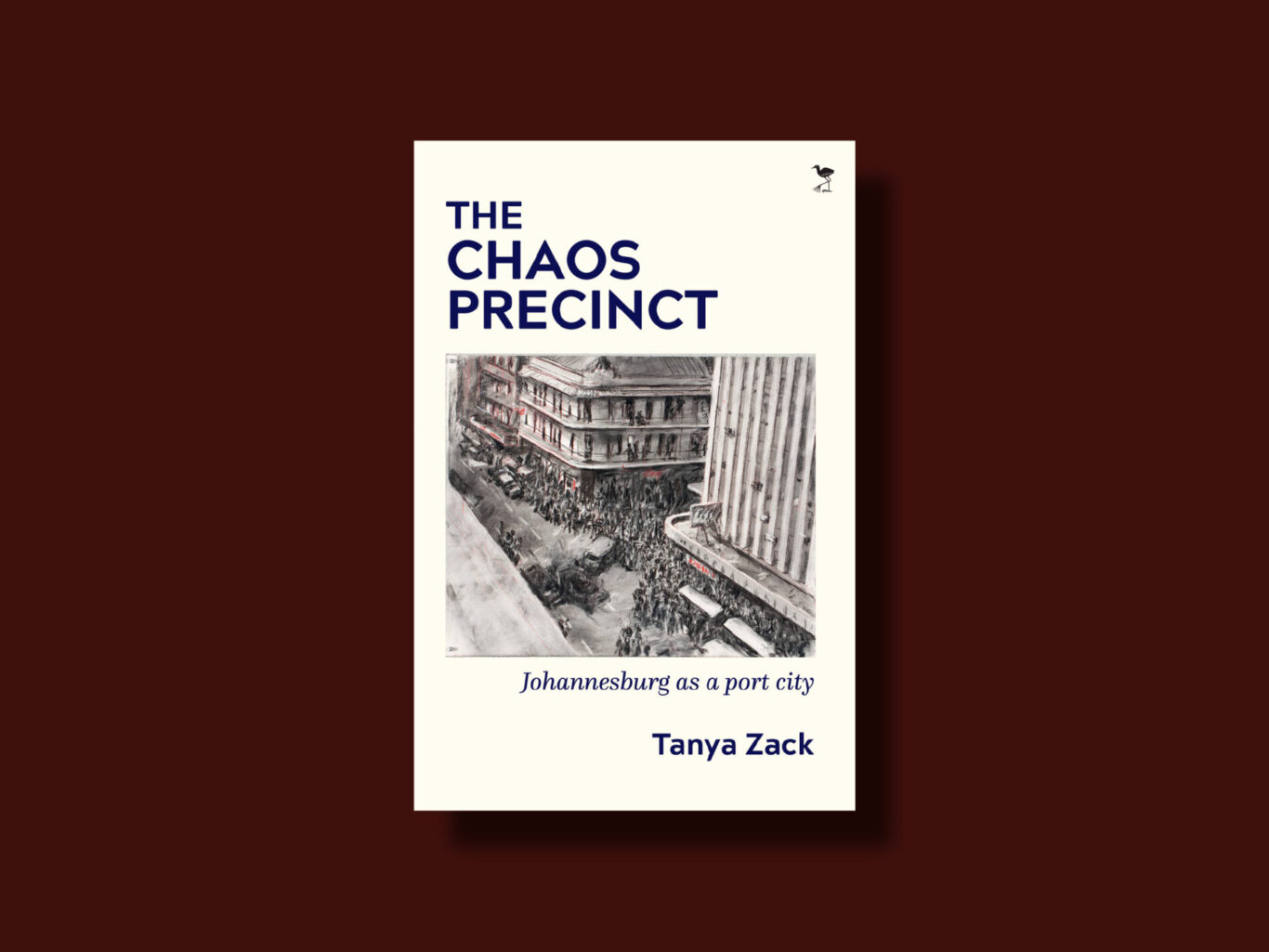
The Chaos Precinct by Tanya Zack (2025)
R420 from The Book Lounge
This intimate portrayal of the vibrancy and precarity of the Ethiopian migrant traders who have reshaped parts of inner-city Johannesburg is a study of so many things: of interdependence; of entrepreneurial spirit; of the ways in which South Africa negates and terrorises migrants; and of how cities are shaped in emergent ways. In my everyday life I encounter migrants from across the continent (the Congolese car guard, the Zimbabwean barista, the Kenyan engineer) often with little sense of the stories of risk, love, loss and persistence that lie beneath the surface. Tanya Zack’s heart is palpable as she conveys the stories she has been privy to with deep compassion and respect. The courage of this book is its willingness to not look away, and its invitation to each of us to do the same. Shivani Ranchod

Contemporary art (Diaspora)
Black Ancient Futures edited by Joao Pinharanda and Camila Maissune (2024)
R1230 from Clarke’s Bookshop
Moving beyond the at-times-exoticising “Afrofuturism” trend that defined the 2010s, the Black Ancient Futures exhibition for which this book serves as catalogue and accompaniment brings together 11 avant-garde artists of the African diaspora. Pinharanda’s introductory text memorably evokes the “spirit of Gondwana” – the ancient supercontinent that was slowly separated into the land masses we know as the continents today – as a way of thinking about the diaspora and African creative influence on the rest of the world. It is followed by beautifully photographed views of the works on show by the featured artists, who share a multidimensional and installation-driven approach to art-making. Many also work innovatively with textiles of various kinds; highlights include April Bey’s gorgeous sewn collages and Sandra Mujinga’s woven sculptures. In short, if you’re looking to explore some of the diaspora’s most boundary-pushing art, this is the book to check out as soon as possible. Robyn Alexander