Contemporary fiction (Ghana)
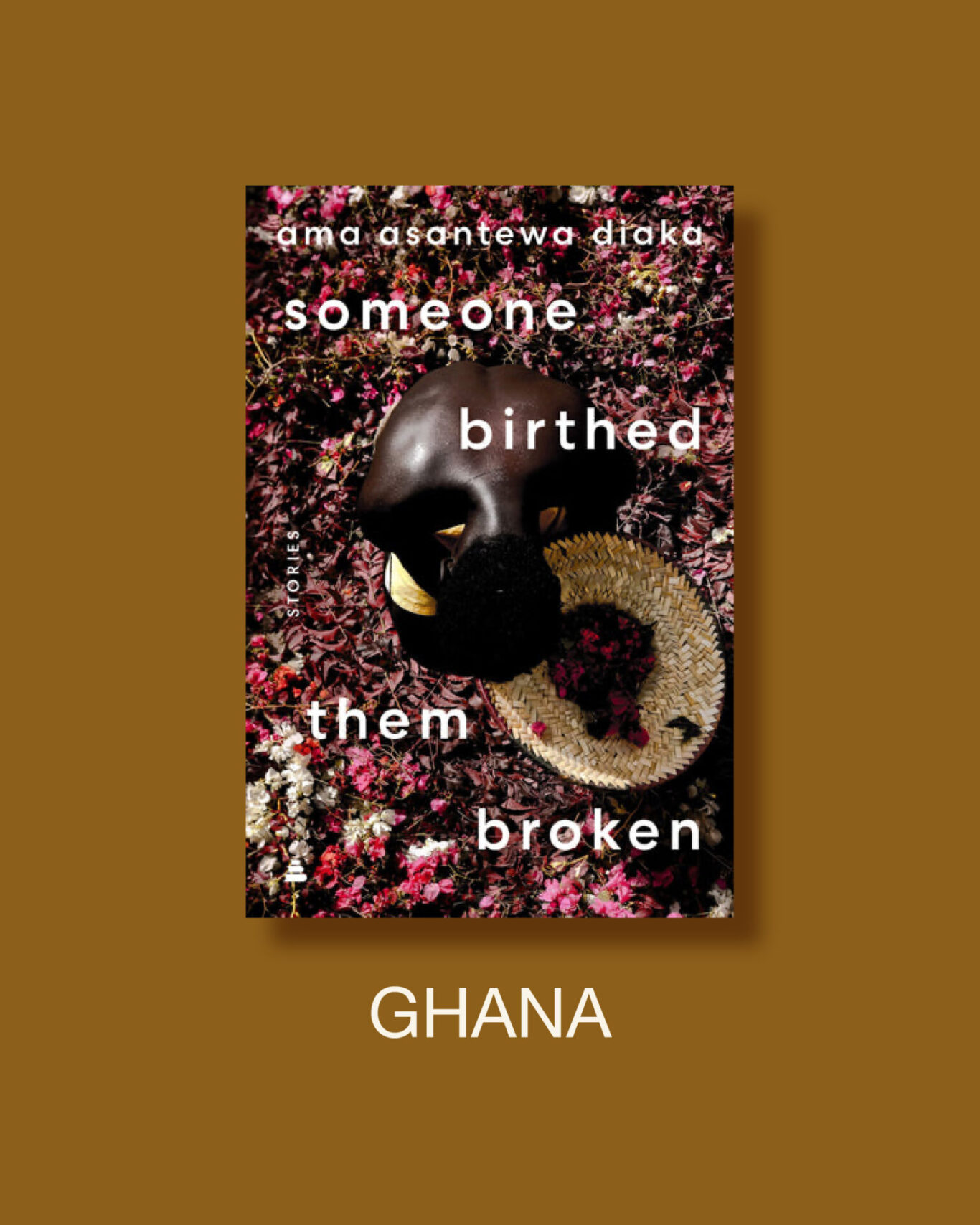
Someone Birthed Them Broken by Ama Asantewa Diaka (2024)
US$11.99 from Amazon
What does it mean to inherit a world that has already fractured you? Ama Asantewa Diaka interrogates this question through 13 loosely interconnected stories set in contemporary Ghana. The characters repeatedly show up across stories while building a portrait of a generation formed by cycles they are still learning to identify. Yet these stories are not only about pain and despair: the author also highlights the bonds between women, in friendship and motherhood, the pleasures and failures of love, and the potential for healing. Her way with language makes the collection especially compelling and as a poet/spoken-word artist, Diaka brings a sharpness to her prose; the result is something that gets under your skin. She leans into the texture of Ghanaian everyday life using laughter as a way in, so that by the time the harder truths arrive, you are already too close to look away. Amyn Bawa-Allah
Contemporary fiction (South Africa)
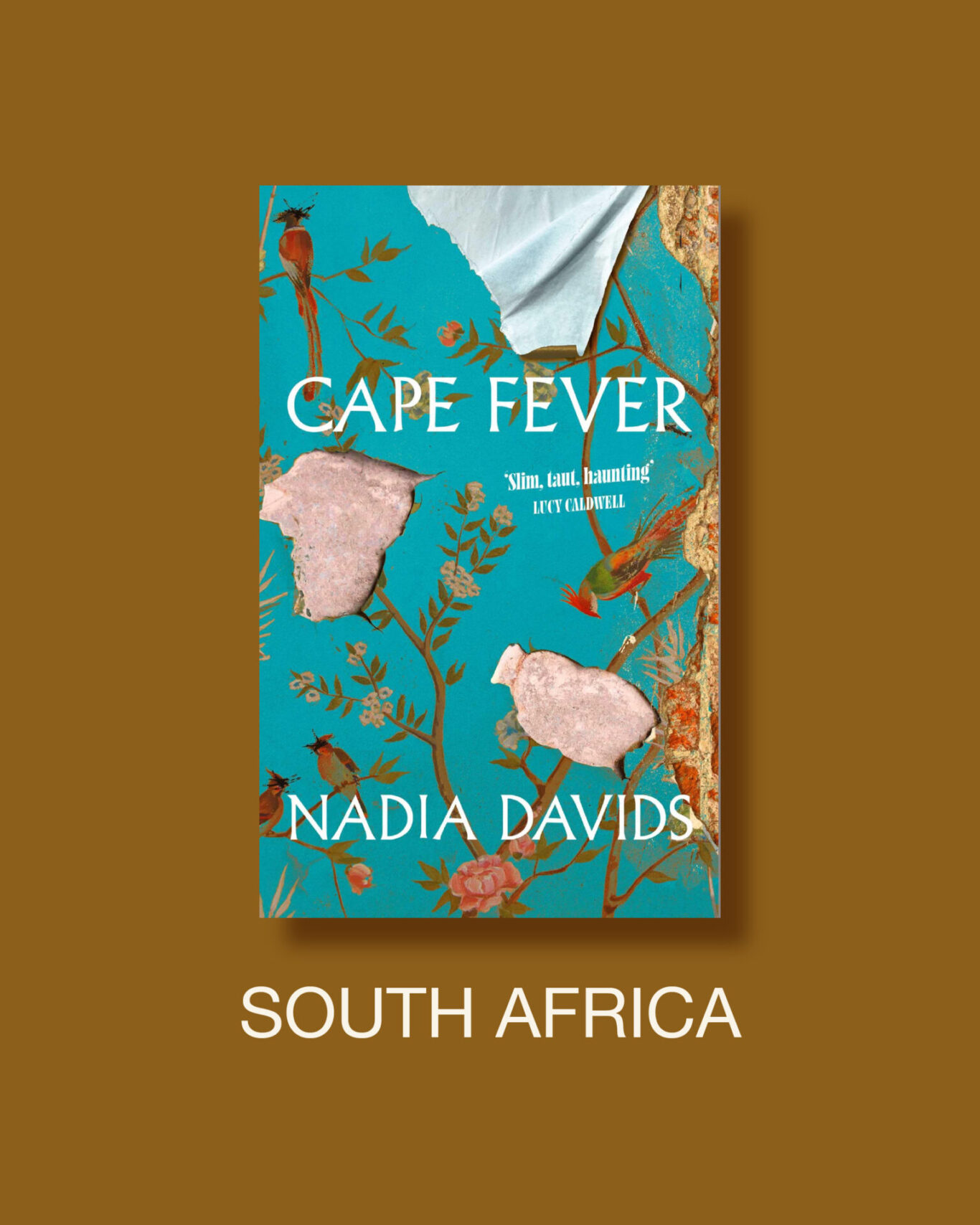
Cape Fever by Nadia Davids (2025)
R360 from The Book Lounge
Set in a fictionalised version of 1920s Cape Town, Cape Fever traces protagonist Soraya Matas’s experience of finding herself entangled with the spirits of a decaying manor and the secrets of its enigmatic owner. This is Nadia Davids at her most exceptional. Cape Fever is utterly compelling and immersive, alive with sound, smell, colour and emotional clarity. The central character embodies both the burn of rage and the promise of an imagination that sits outside of the colonial grip. This novel brings to life the backstory of the Cape today, where the fever of systemic othering still runs hot. Slave and colonial cultures are sharply contrasted: the richly connected and alive realm of poverty sectioned off from the emptied out and soul-impoverished colonial class. The narrative moves seamlessly across time and scale and between the physical and spirit realms; from the infrastructure of a racialised history to the domestic scale of daily indignity, extraction, domination and manipulation. This is an astute masterpiece, offering us a redemptive heroine in a moment when the world needs her. Shivani Ranchod
Legacy fiction (Nigeria)
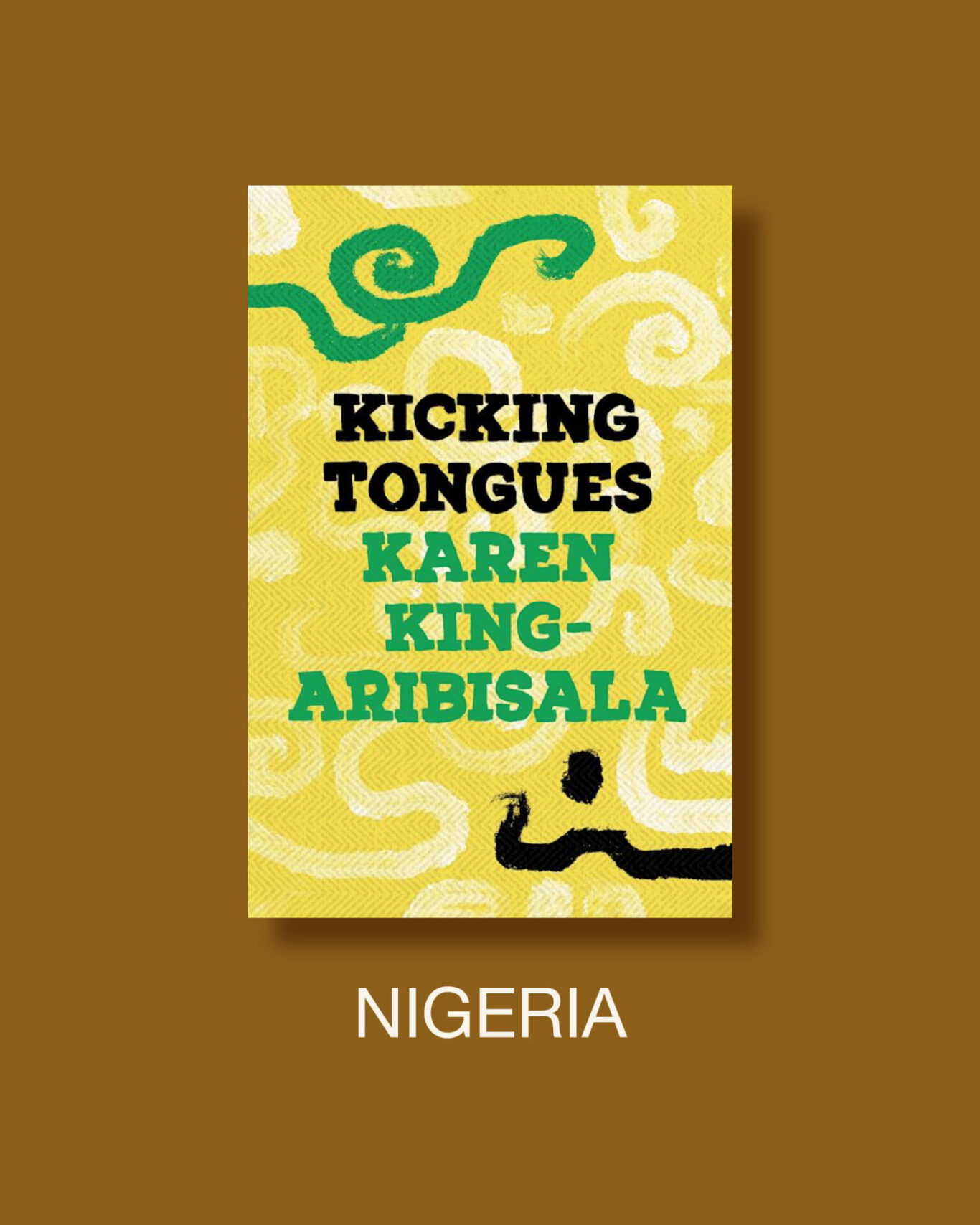
Kicking Tongues by Karen King-Aribisala (1998)
R304 from Exclusive Books
Karen King-Aribisala transposes Chaucer’s Canterbury Tales into modern Nigeria, where a cast of 40 characters on a bus trip from Lagos to Abuja are archetypes of everyday Nigerians. Featuring a huge range of people from paupers to chiefs, a prostitute and a foreign proprietor of a British umbrella company, Kicking Tongues traverses the political and sociological realities facing an oil-rich Nigeria that prefers to import most things – including and especially religion in the form of Christianity. The latter being proposed as a solution to the country’s woes turns out to be the most surprising element of this generally thought-provoking novel. Luso Mnthali
Fashion (North Africa)
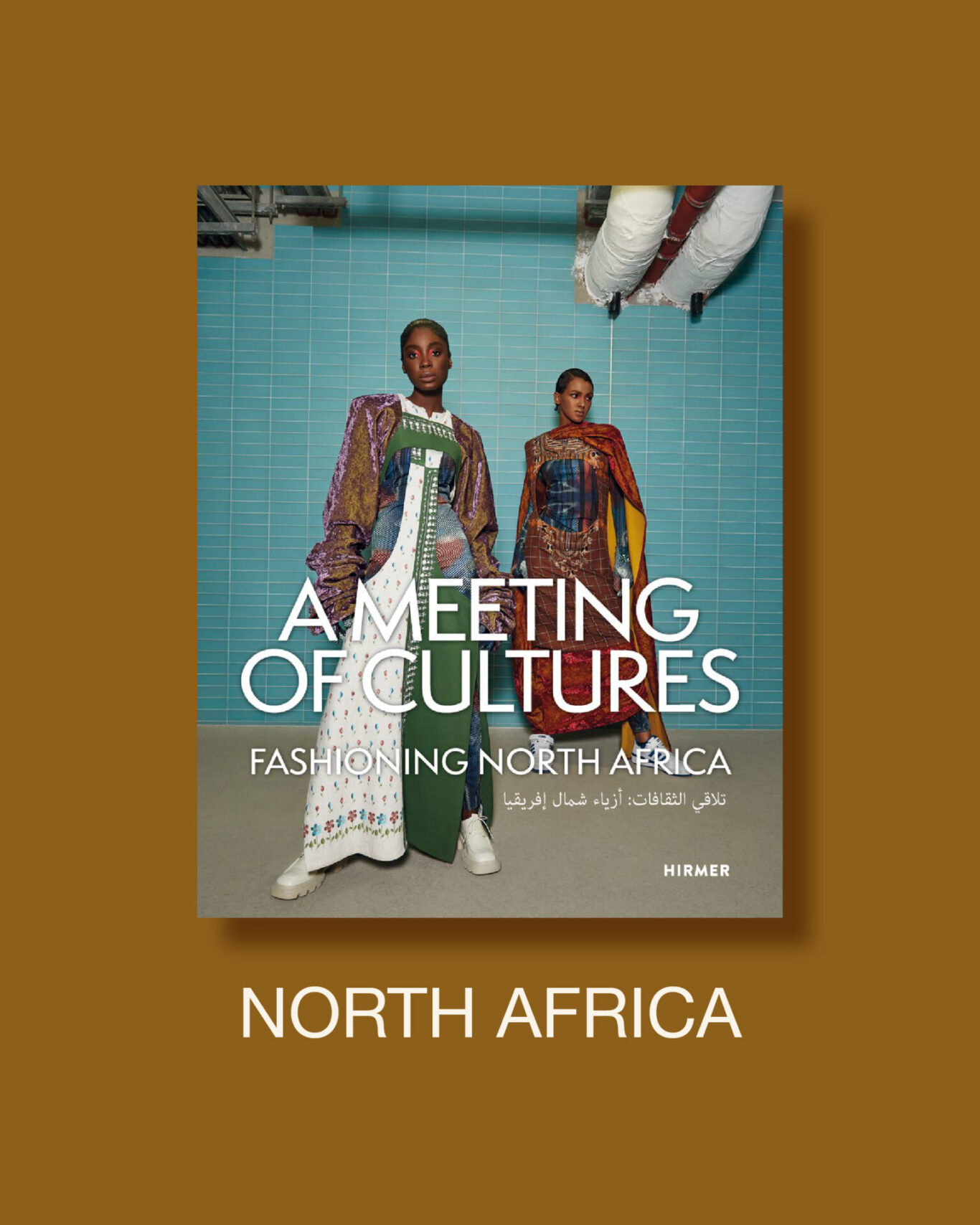
A Meeting of Cultures: Fashioning North Africa edited by Sara Hume and Nada Koreish (2025)
R1365 from Jonathan Ball
It’s long been a problem for creators and commentators across Africa that our continent’s creative output is presented as a monolith. “African fashion” – what is that exactly? The continent is so large, culturally rich, and self-evidently diverse, it seems patently ridiculous to attempt a single definition, or to put together an exhibition or book that tries to do so. And yet this is what has commonly occurred to date. By contrast, A Meeting of Cultures does something different: first, it frames its efforts in curation and editing with a set of essays that reflect on the political effects of the practices of collecting and cataloguing clothing made by various designers and communities in North Africa in the past. Secondly, it considers the region as such – rather than through the lens of the nation states created largely via the colonisation of the area by European states in the 19th and 20th centuries – and as an area adjacent to the Mediterranean. Finally, it presents a wide range of current designers from North Africa and its diaspora, grouped loosely into a trio of categories: Disruptors, Our Land, and Threads. Both visually and decolonially inspiring, this is an essential sourcebook for anyone with an interest in contemporary fashion globally. Robyn Alexander