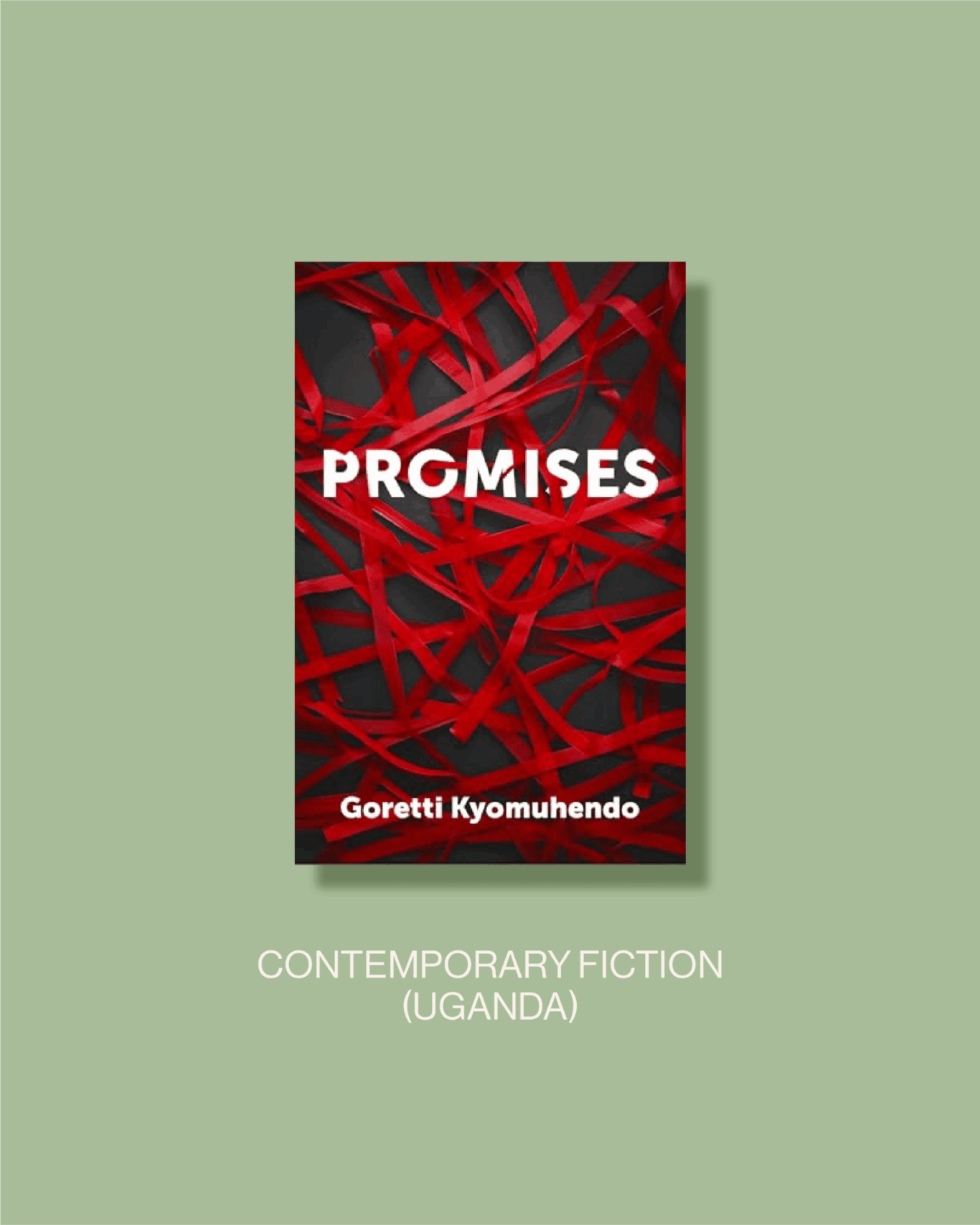
Contemporary fiction (Uganda)
Promises by Goretti Kyomuhendo (2025)
R330 from Exclusive Books
With a distinctly Ugandan heartbeat, Promises deftly switches between London and Kampala, and between the experiences of couple Ajuna and Kagaba, separated by economic migration. The portions of the book set in London are characterised by isolation, precarity, the chilling nature of life in the margins and the yearnings expressed through food, music and the situational relationships that form. By contrast, life in Uganda throbs with heat, with disruption, with webs of familial connection. Kyomuhendo’s writing is both parsimonious and rhythmic, creating a common pulse between the book’s locales and its characters. Promises are never between just two people, and are not simply made and broken. Shivani Ranchod
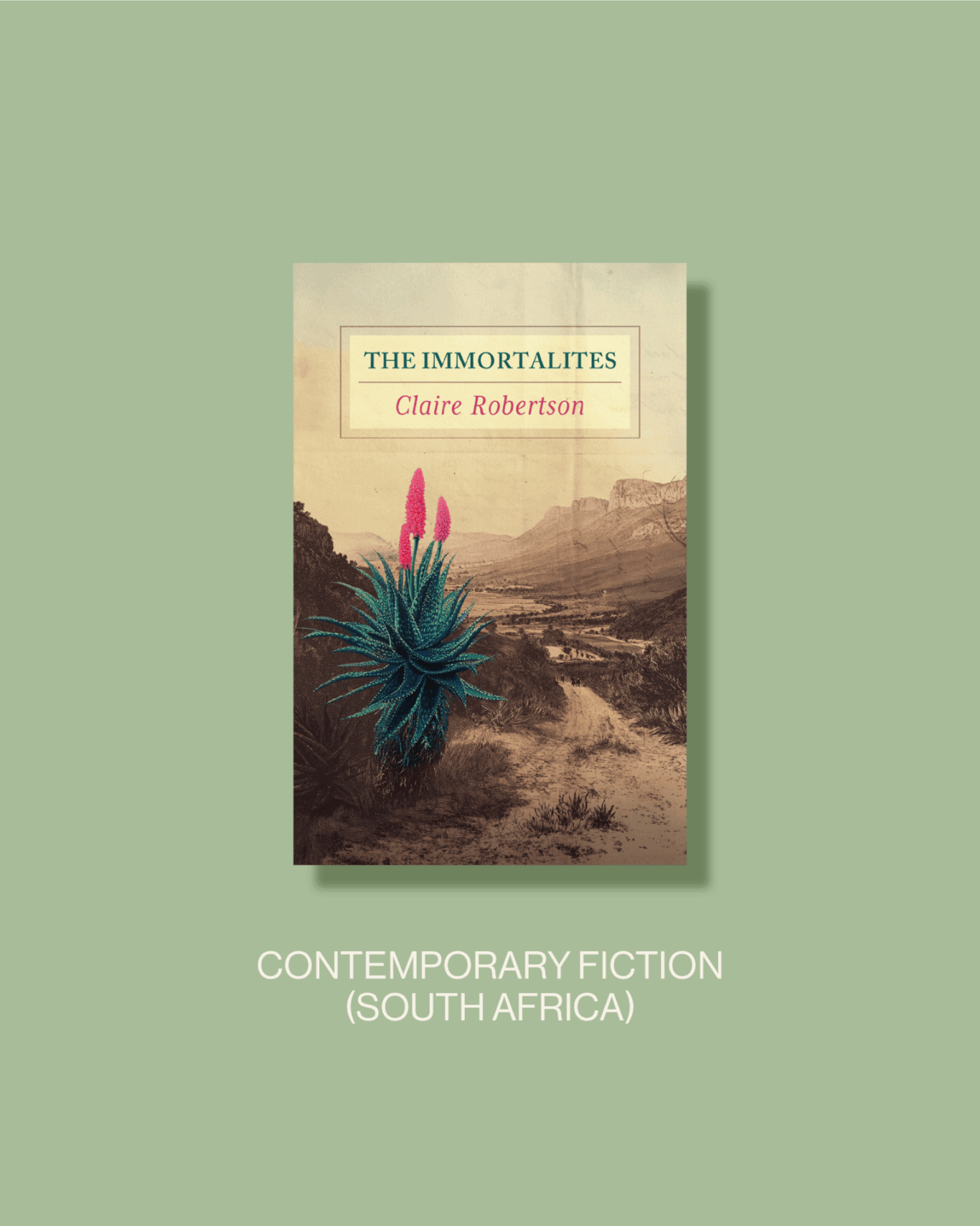
Contemporary fiction (South Africa)
The Immortalites by Claire Robertson (2025)
R320 from The Book Lounge
“It is our religion” says an Eastern Cape settler in Claire Robertson’s new novel, The Immortalites. She means land – so often a sort of lead character in South African stories. It’s the 1830s and the Eastern Cape is in the throes of its frontier wars involving the long-settled Xhosa and recently arrived British settlers. Ellen Kent is one such new arrival. Appointed governess to a family making a new life in a new country, she’s robbed of her innocence on board the ship on which she travels to the colony – so when she disembarks, it’s in a shroud of shame with no job, and she must make her own way. She’s adopted by a wily cavalryman, Captain Makepeace, who uses her as an accessory in his moneymaking schemes as they move among the British soldiers, settlers and Boers. They endure wonder, cruelty and sadness as the English raze the crops of the people whose land they mean to seize. “Was this sticky, flyblown, afraid and ashamed business really what was meant by war?” Ellen wonders. She witnesses atrocities on both sides and slowly, in this tenuous, provisional environment, she learns to make roots. This microcosmic story of South Africa sees enmity and ugliness undone by love and loyalty – and perhaps it is a paean to Robertson’s own Eastern Cape ancestry. Tessa de Kock
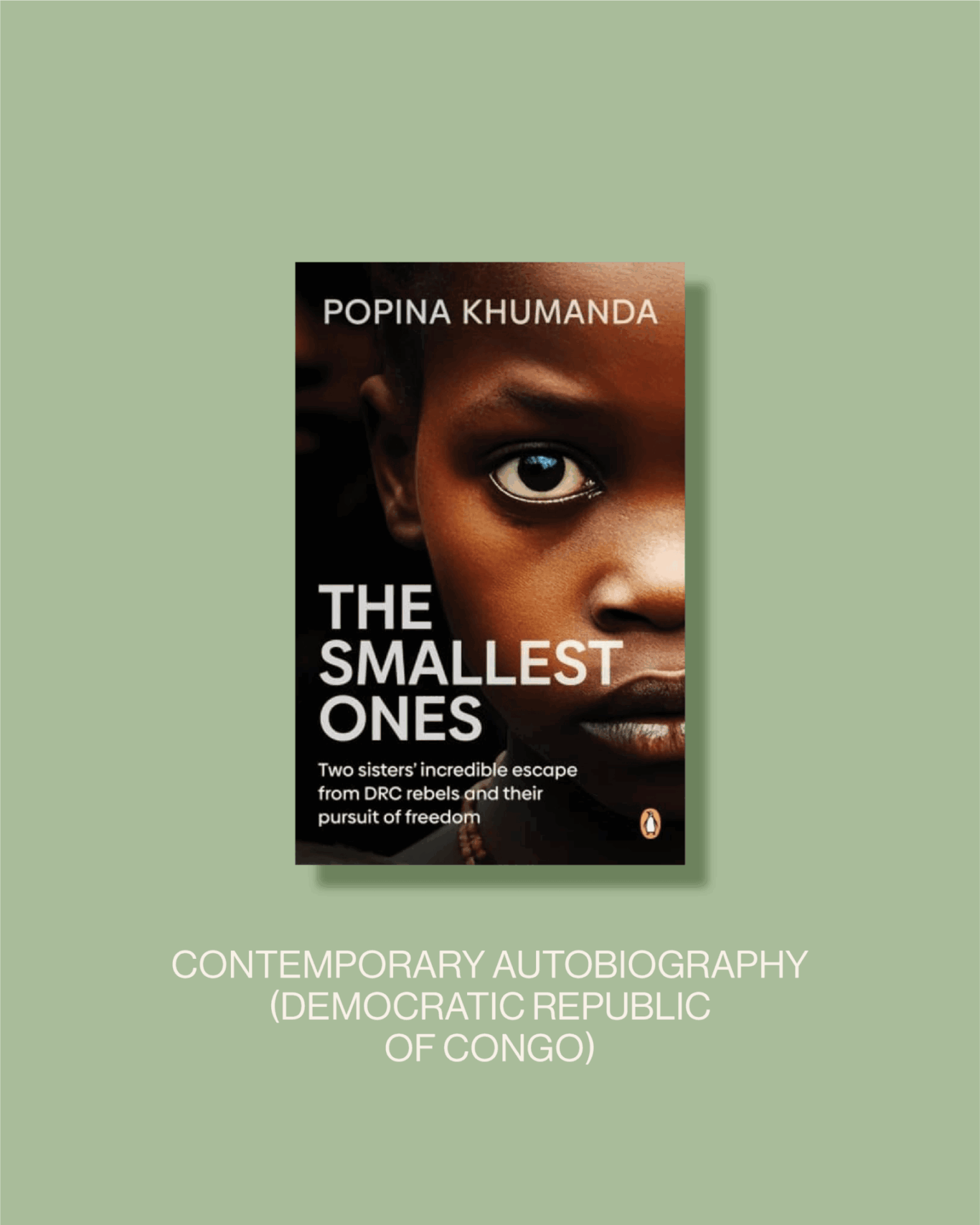
Contemporary autobiography (Democratic Republic Of Congo)
The Smallest Ones by Popina Khumanda (2025)
R300 from The Book Lounge
The Smallest Ones is the heartbreaking yet inspiring autobiographical account of Popina Khumanda’s life, capturing both the innocence of her early years and the devastation that she experienced growing up amid war. It starts off with her peaceful childhood in a Congolese village and takes in the terrible moment rebel soldiers shatter her world, which leads in turn to her and her sister’s capture and, eventually, traces their perilous flight to safety through several countries toward South Africa. Khumanda recounts every ordeal with raw, unflinching honesty. Both deeply disturbing and inspiring, the narrative explores grief, trauma and resilience, offering a powerful testimony of endurance, faith and survival. Nokwanda Mngxitama
Photography / Travelogue (Continent-wide)
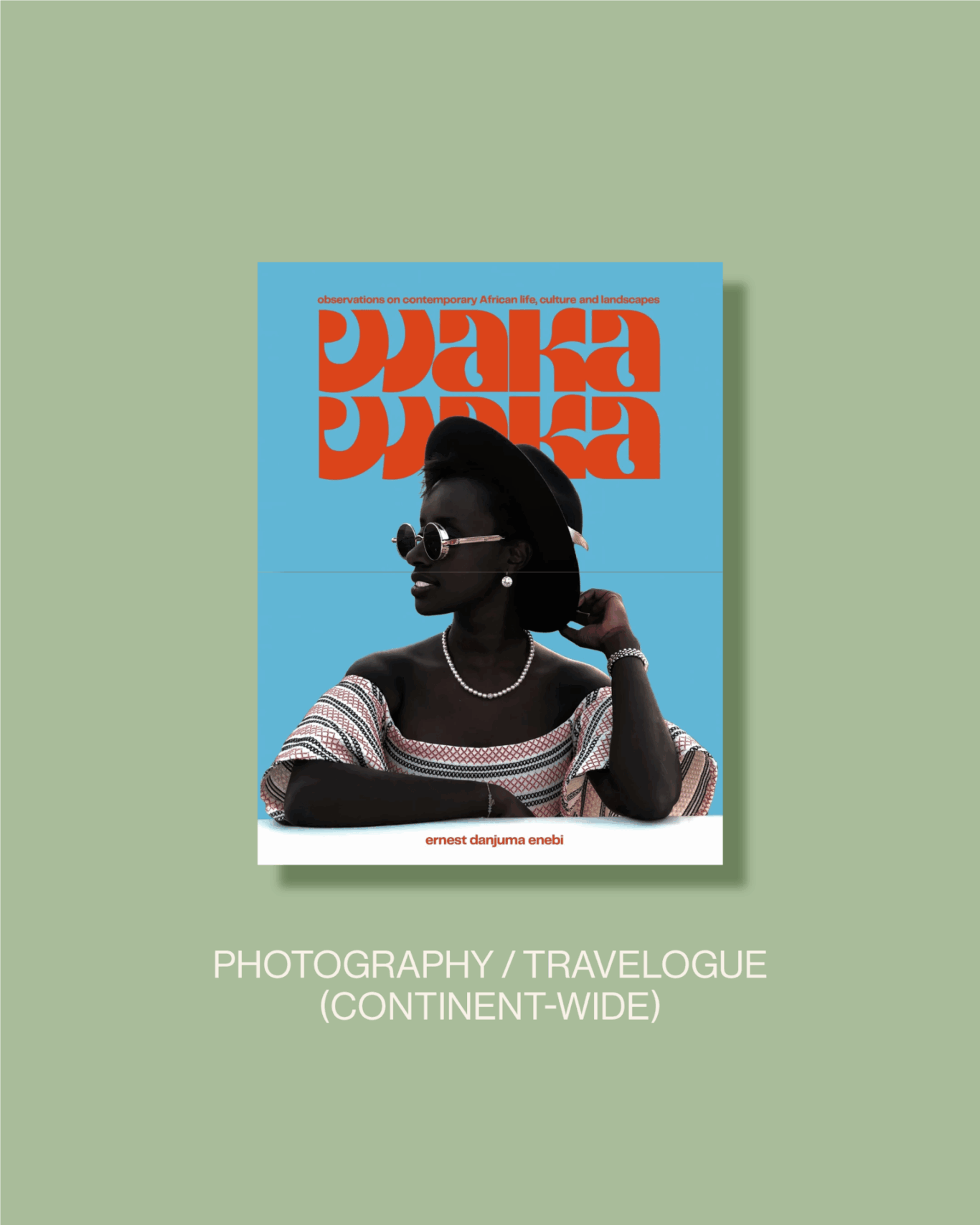
Waka Waka: Observations on Contemporary African Life, Culture & Landscapes by Ernest Danjuma Enebi (2025)
US$80 from Denda Works
Easily one of the most generous and exuberant travel books I’ve ever encountered, Waka Waka was photographed, written and self-published by Nigerian-born multi-hyphenate creative Ernest Danjuma Enebi. Divided into thematic sections such as “Built Heritage” and “Rest & Reflection” rather than by the many and diverse African locales its author traversed during its making, this visually arresting and beautifully designed book takes in everything from cultural identity to street food, sporting occasions, heritage architecture, dressing up for (very) special occasions and hanging out doing a lovely little bit of not much. As Enebi explains in his foreword, “waka waka” is a Nigerian Pidgin phrase that means “roaming around or gallivanting, often without a specific purpose” – and it turns out that as a working principle on which to base the creation of a truly original, inspiring and insightful African travelogue, you couldn’t do much better. Robyn Alexander PS We bought our copy at Alára in Lagos, which has a small and beautiful selection of books.