Contemporary fiction (South Africa)
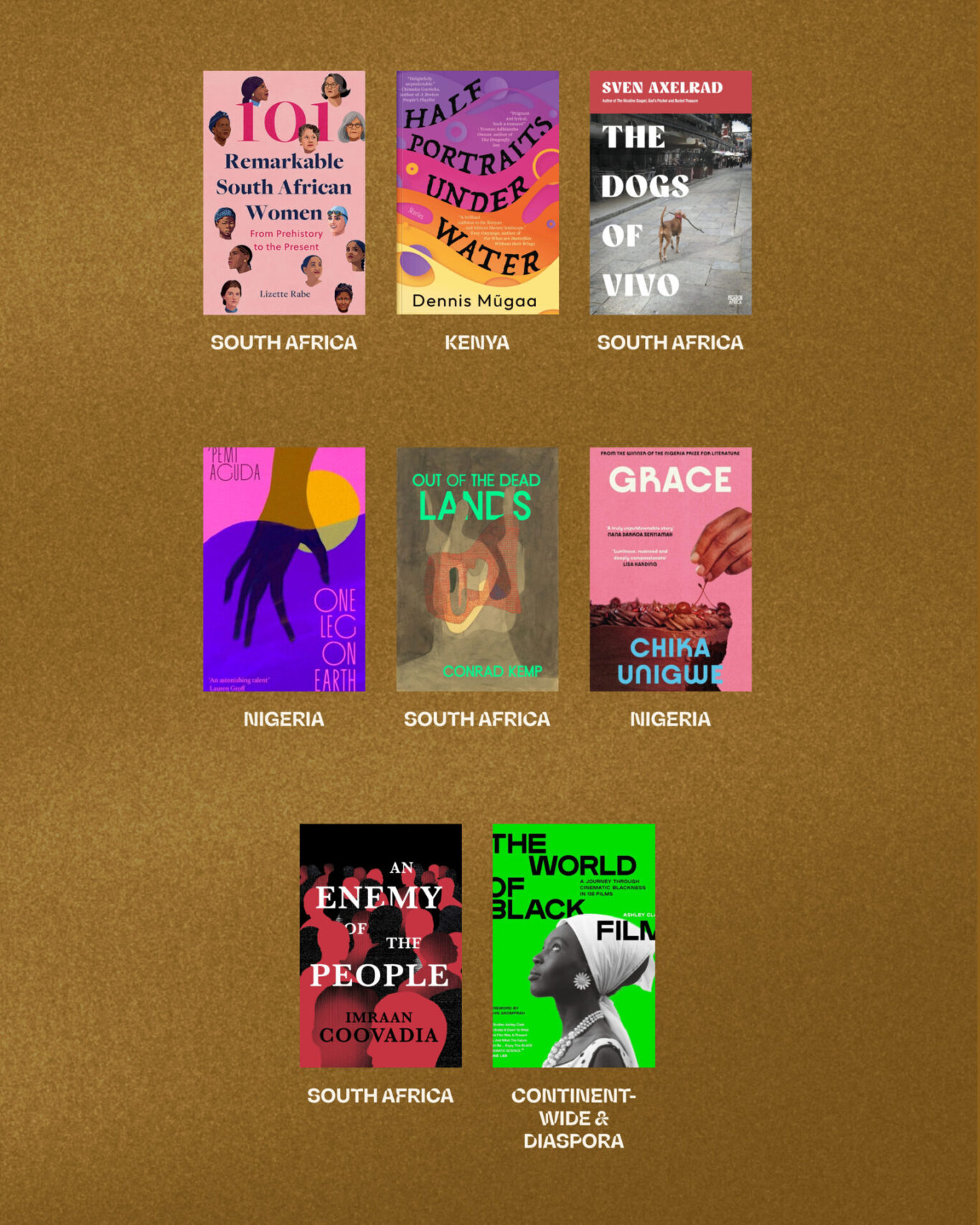
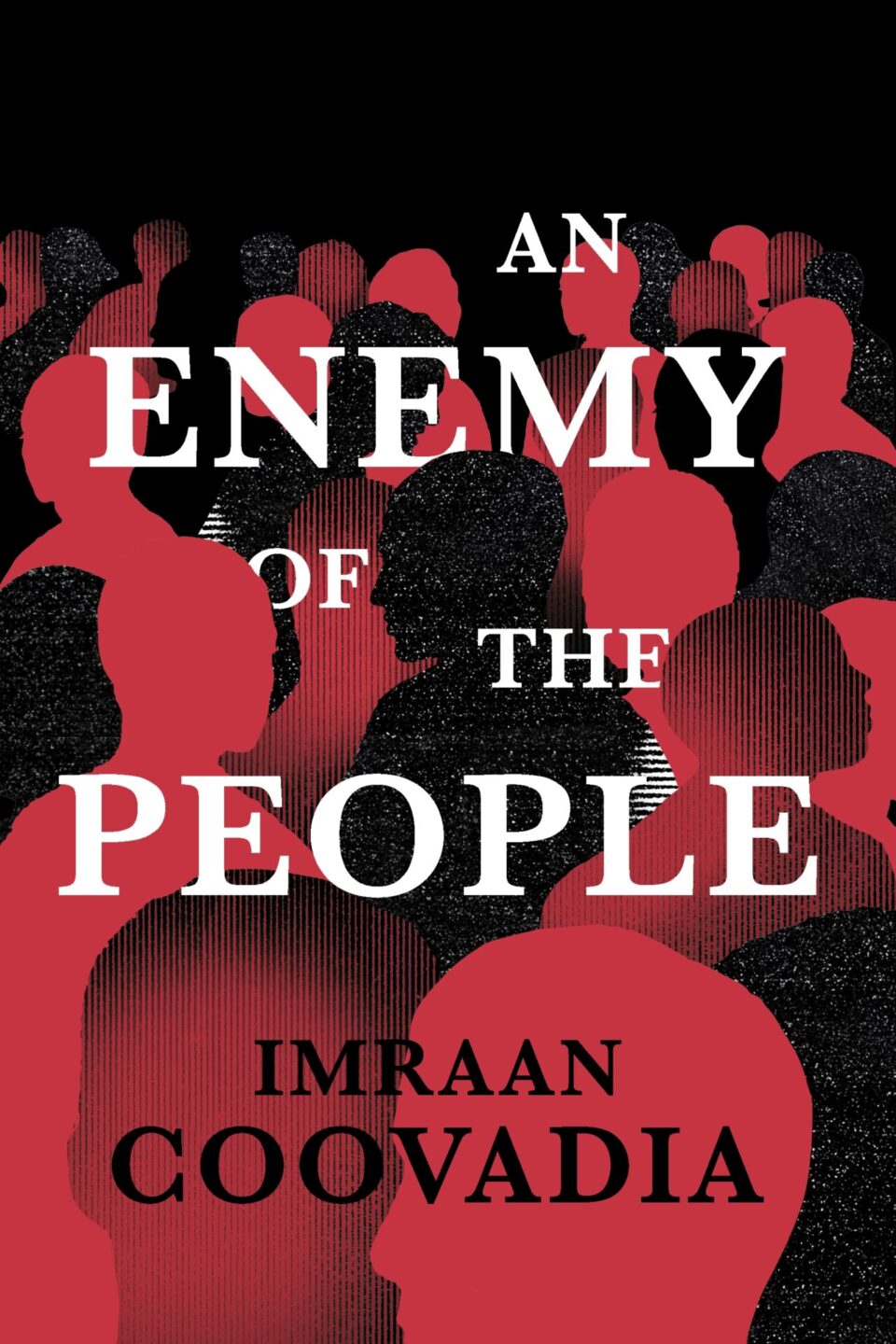
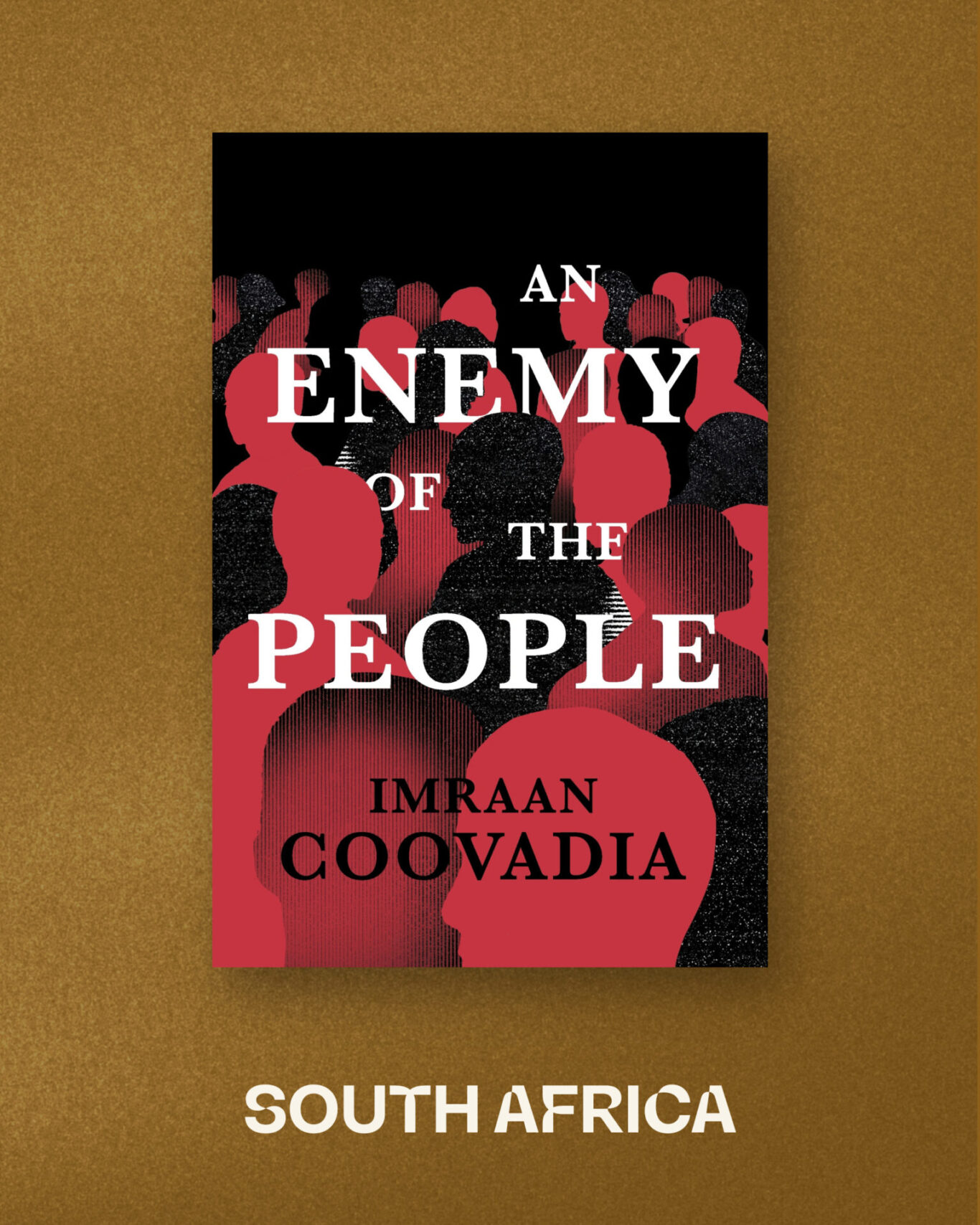
An Enemy of the People by Imraan Coovadia
R350 from The Book Lounge
In this deft work of literary fiction, we follow taxman Mackanjee as he navigates the revelation of grand-scale theft. There is a sense of disconnect as he moves between the intimacy of family life and the surreal insanity of the barely disguised political context. These are the Zuma years, and the time of the whistle-blowing that revealed the extent of state capture. Themes of loyalty are central: loyalty to self, to the party, to family, to the people. The positionality of Mackanjee, as a South African of Indian descent, raises questions of belonging. Don’t expect the pacing of a political thriller. What you’ll get instead is a precisely written analysis of morality, thematically layered, with a rich array of characters and a real sense of place. Shivani Ranchod
Contemporary fiction (South Africa)
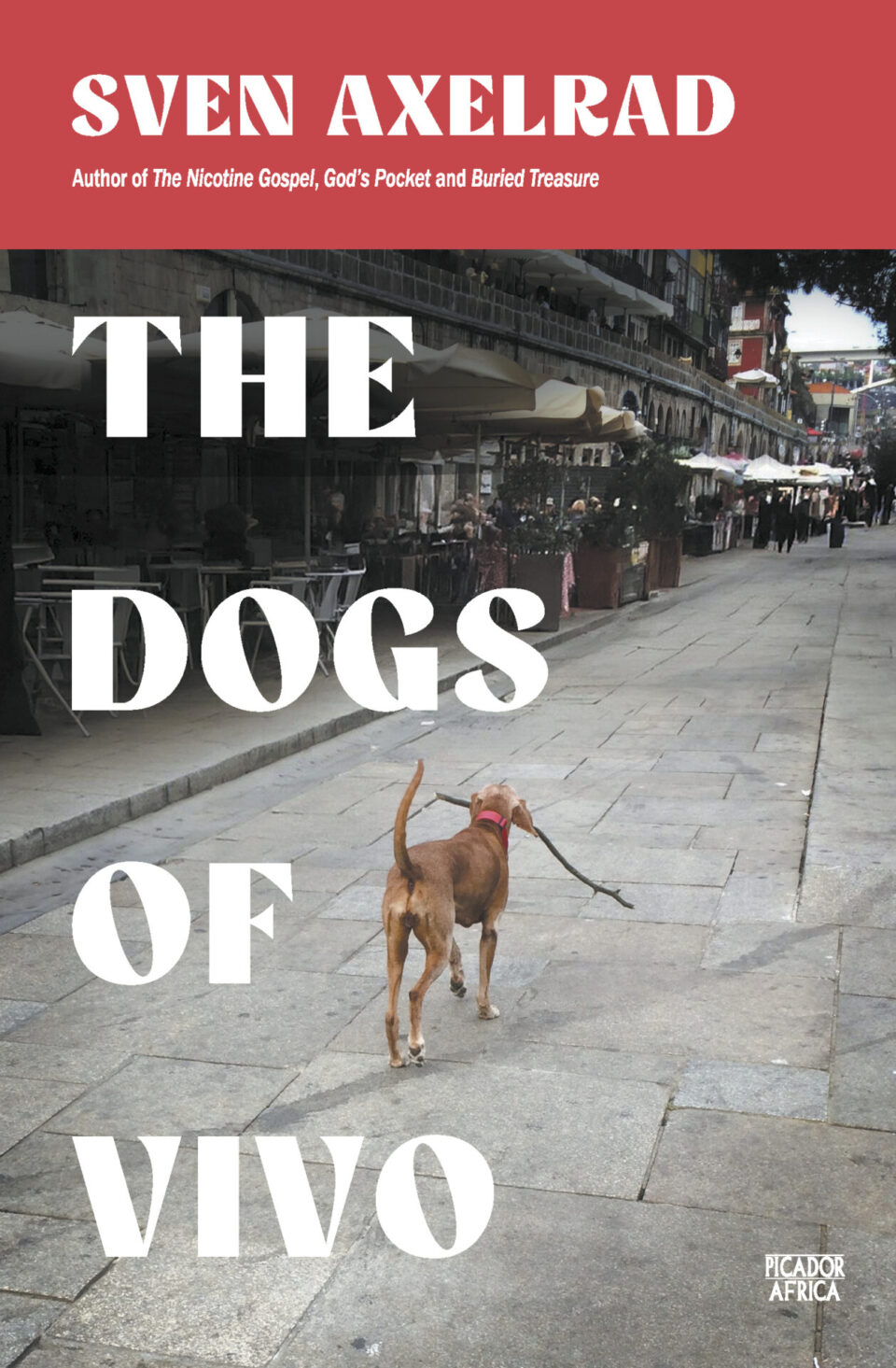
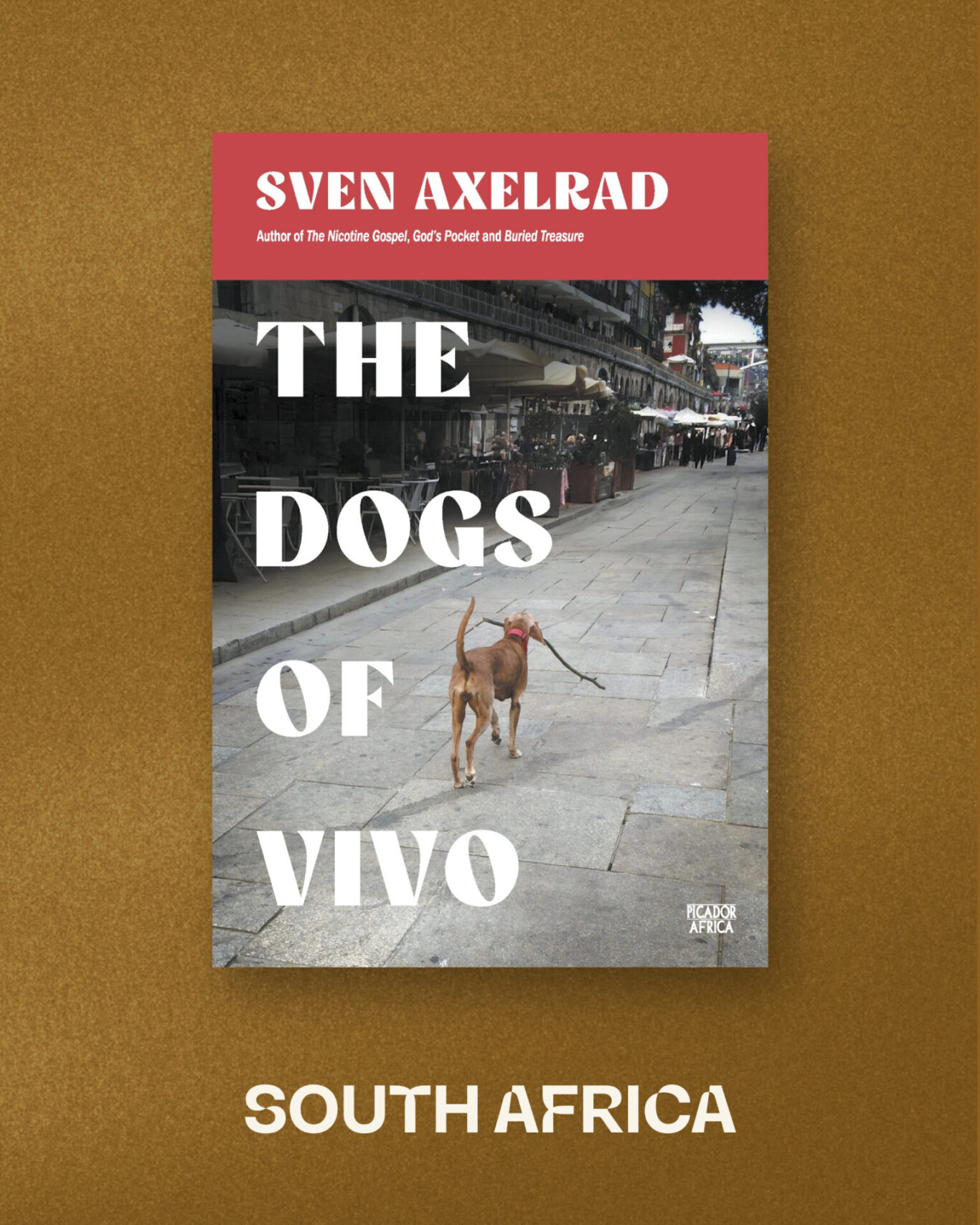
The Dogs of Vivo by Sven Axelrad
R299 from The Book Lounge
Following Sven Axelrad’s critically acclaimed novels Buried Treasure (2023), God’s Pocket (2024) and The Nicotine Gospel (2025) – each of which has been either short- or long-listed for the Sunday Times Fiction Award – his highly anticipated The Dogs of Vivo was published in May 2026. Axelrad’s fictional town of Vivo is a vibrant place full of bars, bookstores, cafés, and quirky characters. The ‘Dogs’ are a trio of young creatives: Maggie, a musician who dreams of worldwide fame; Arturo, a novelist who is rumoured to have the heart of a dog; and Felix, a handsome and homeless artist. The three friends’ lives are thrown into disarray when they meet Mr Pijo, a mysterious businessman who offers to help them reach success. The novel is full of wonderfully unpredictable encounters and ideas. Bob Dylan and Joni Mitchell visit for a chat and a smoke, the Zodiac of Bars Everywhere determines characters’ fates, and the narrator cheekily comments on the storytelling – at one point he chides, ‘Don’t be annoyed; my responsibility is first to the story, and only then to the truth.’ The Dogs of Vivo explores the pains and joys of love, the relationship between capitalism and art, and the fleetingness of youth with insight and humour. Rene Esterhuyse
Contemporary fiction (Nigeria)
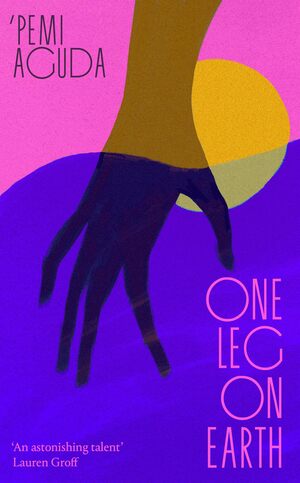
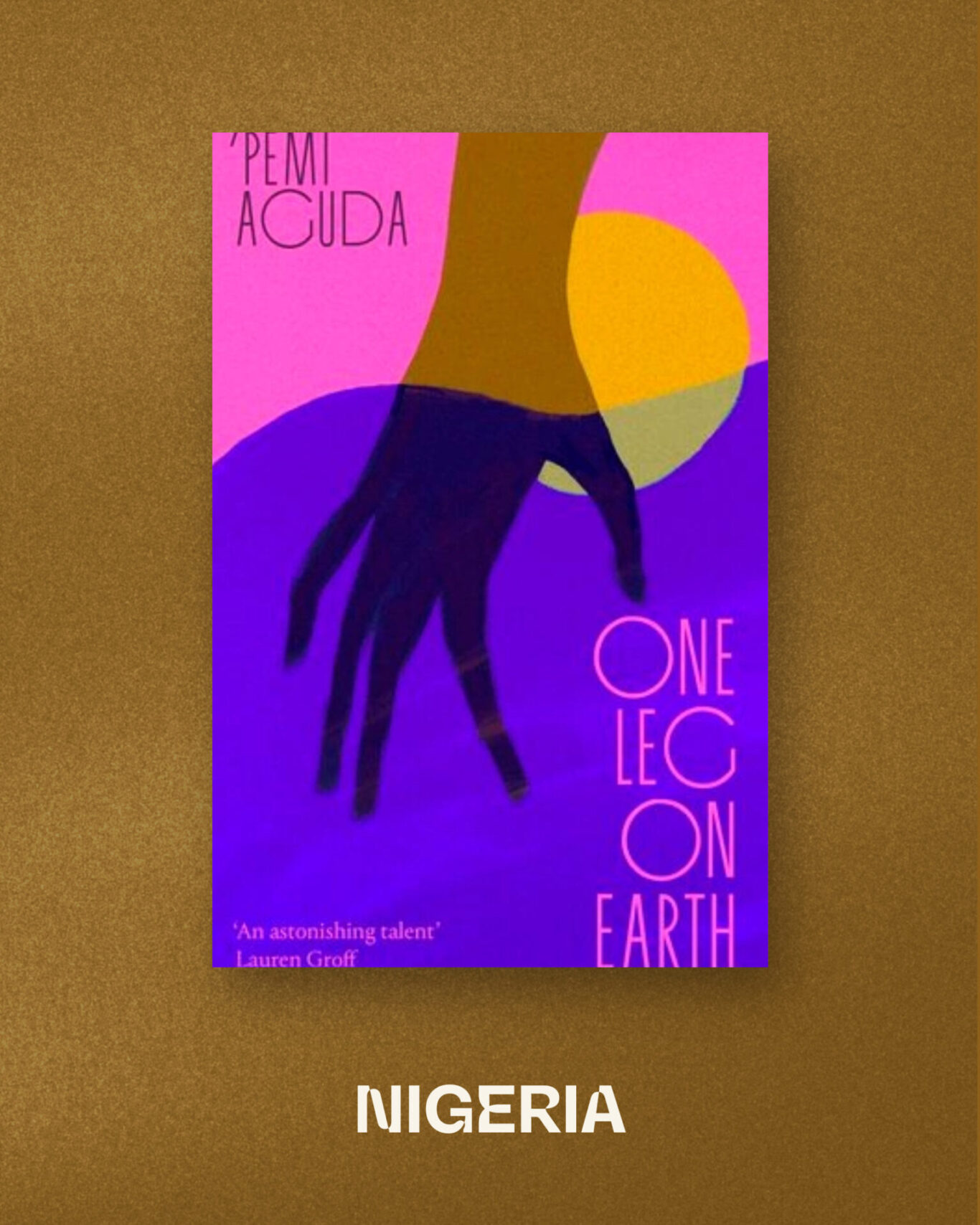
One Leg on Earth by ‘Pemi Aguda
R470 from The Book Lounge
Weaving macabre elements and social commentary into a story about motherhood, ‘Pemi Aguda’s debut novel asks what it means to bring new life into a city built on erasure. Set in Lagos, One Leg on Earth follows Yosoye, a university graduate hoping to reinvent herself while navigating a place where pregnant women have been inexplicably walking into bodies of water and drowning themselves. What initially appears to be a supernatural mystery unfolds into an exploration of motherhood, belonging, class, displacement, and the staggering but hidden costs of development. In stunning prose, Aguda evokes the sights and smells of Lagos: the city becomes a character in its own right, a force existing between the liminal and the real that keeps Yosoye in constant, suffocating tension. With rich symbolism, layered themes and an unforgettable sense of place, this is a book that practically begs to be discussed with other readers. Amyn Bawa-Allah
Contemporary fiction (Kenya)
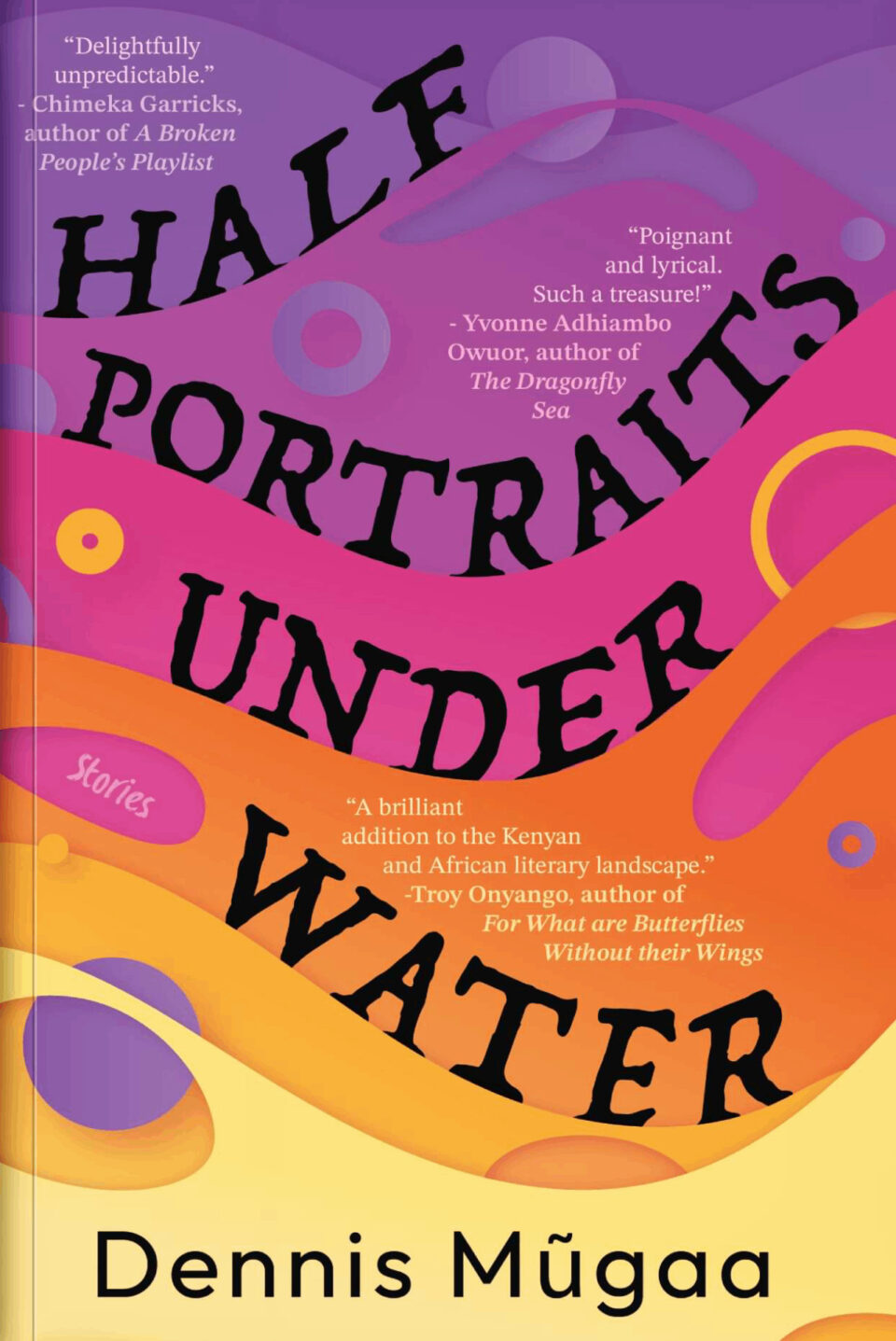
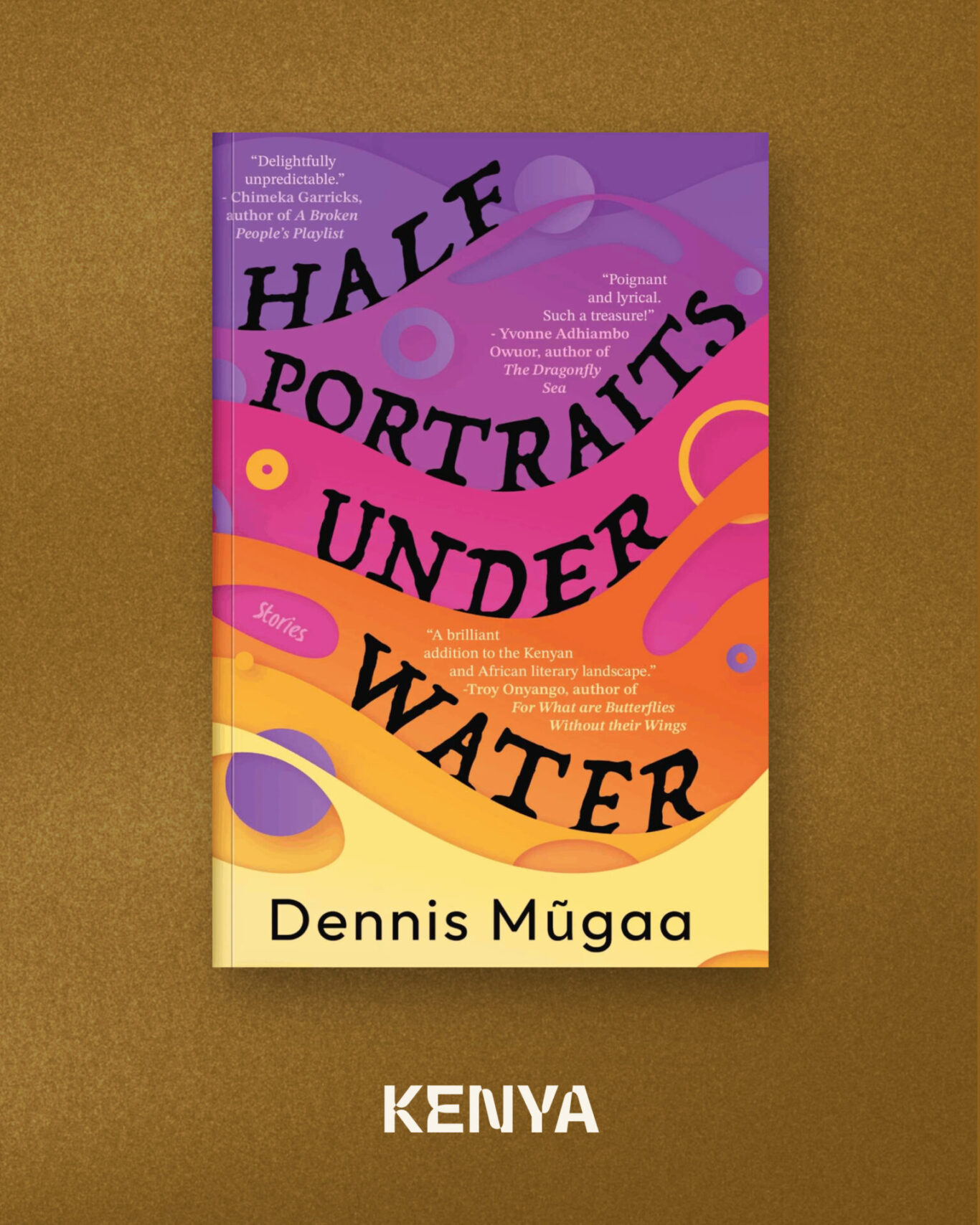
Half Portraits Under Water by Dennis Mũgaa
KES1500 from Soma Nami Books
Half Portraits Under Water is a collection of 10 short stories following different, yet thoughtfully connected characters through the shifting political terrain of post-independence Africa. Award-winning author Dennis Mũgaa’s skilfully crafted stories run into and out of one another in a way that makes the collection feel not only temporally textured, but also thoughtfully layered, with each story carrying you to a new place by picking up from where the former left off. His characters vary from a mother trying not to lose her son to a group of nomads wandering through Egypt, to a young girl mourning her twin sister. Yet the feelings underpinning their experiences are shared, and they coalesce into a vivid depiction of the ripples of colonialism felt across different regions and time periods of African history. The common thread between all the different strands Mũgaa’s stories weave together is the identification he crafts for the reader with each of his characters, and the underlying sense of care and compassion it is informed by. Taylor Ross
Reference (South Africa)
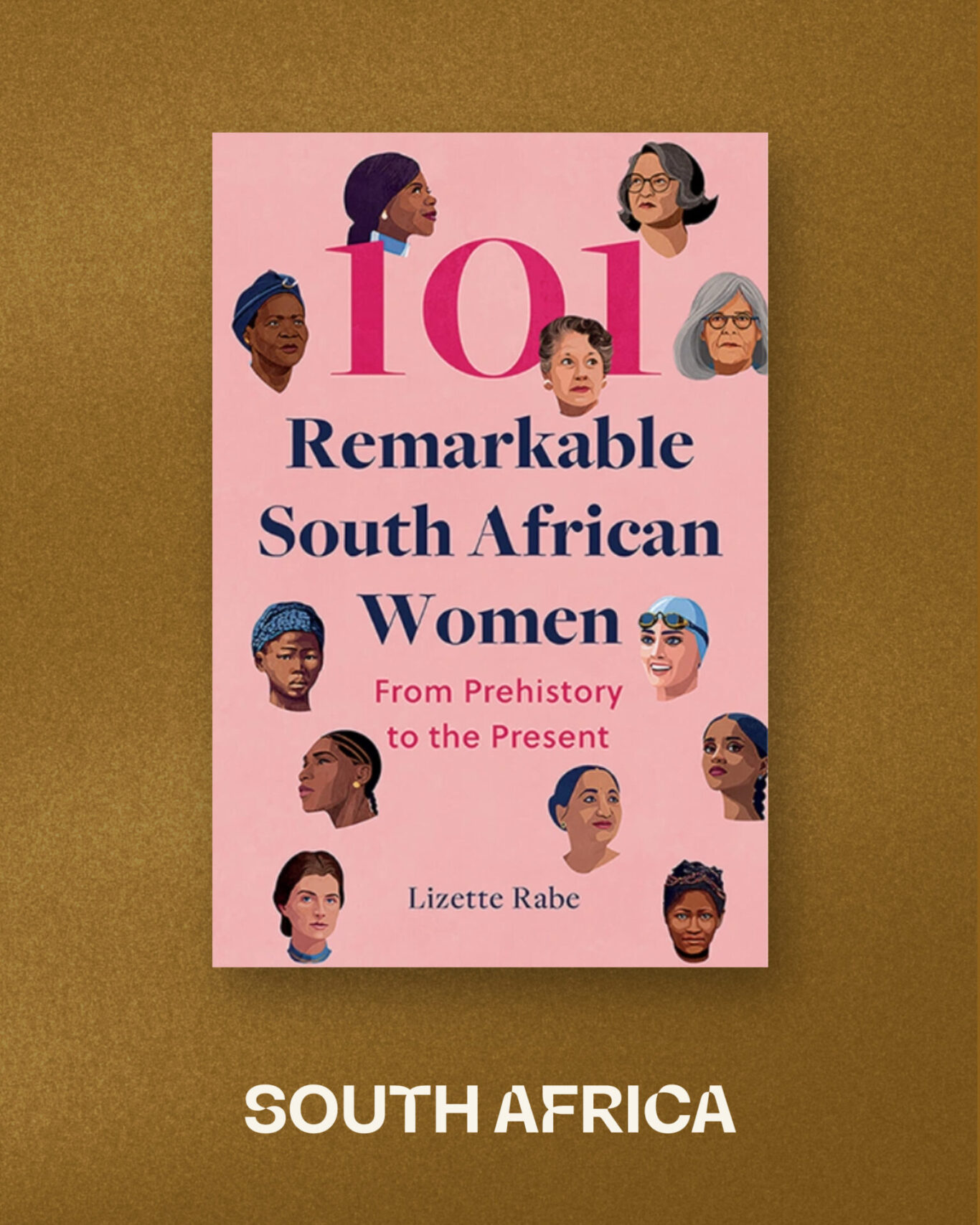
101 Remarkable South African Women by Lizette Rabe
R350 from The Book Lounge
The word ‘remarkable’ in the title of this reference book is almost too small a word. The women of 101 Remarkable South African Women are complex, complicated and anchored in conviction. No matter how controversial some might be to the modern reader, one quickly understands the contexts and limited choices that made them who they were (and are). I was truly ashamed by how few of the women I recognised, particularly the more historic figures who arguably helped forge the much easier paths we tread today as a result of their lives. But I also quickly reminded myself that this isn’t a personal failing; it’s a feature, not a bug of the patriarchal lens through which history is recorded and taught. This enlightening and affirming read is an absolute must-buy for those who love women and history. Pheladi Sethusa
Contemporary fiction (Nigeria)
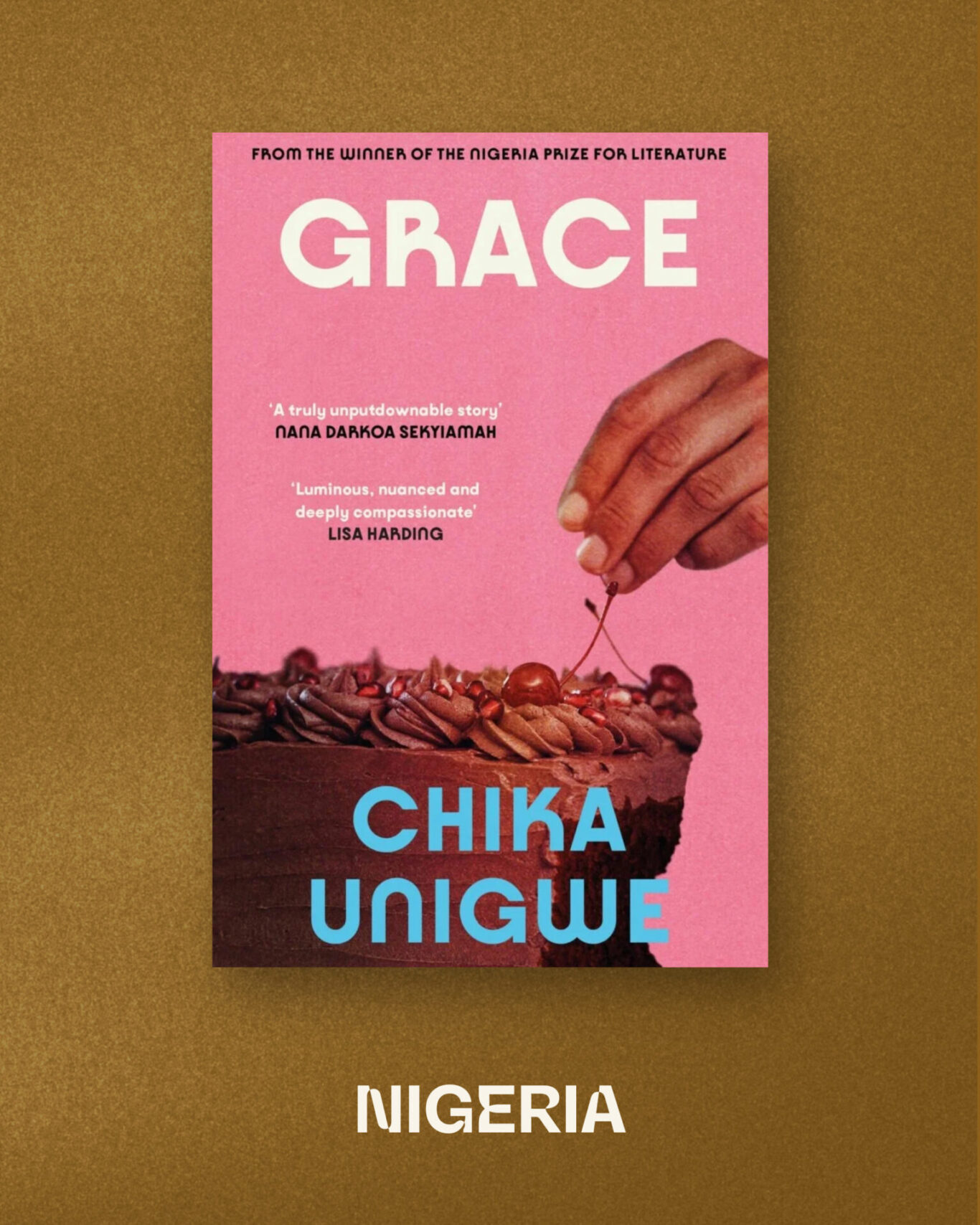
Grace by Chika Unigwe
R370 from The Book Lounge
Some decisions shape a lifetime. In Grace, Chika Unigwe follows a woman whose carefully rebuilt life begins to unravel when the past she has spent decades trying to leave behind unexpectedly returns. Through Grace’s story, the novel reflects on motherhood in all its complexity, not only as love and sacrifice, but also as loss, guilt, and survival. It asks difficult questions about the expectations placed on women and the lasting impact of choices made under impossible circumstances. Grace is not always easy to agree with, but that is what makes her such a compelling character. Rather than asking us to judge her, the novel invites us to understand her. Thoughtful and emotionally rich, Grace is a reminder that healing is never straightforward, and that the past has a way of shaping the lives we build long after we think we’ve left it behind. Delise Francis
Contemporary fiction (South Africa)
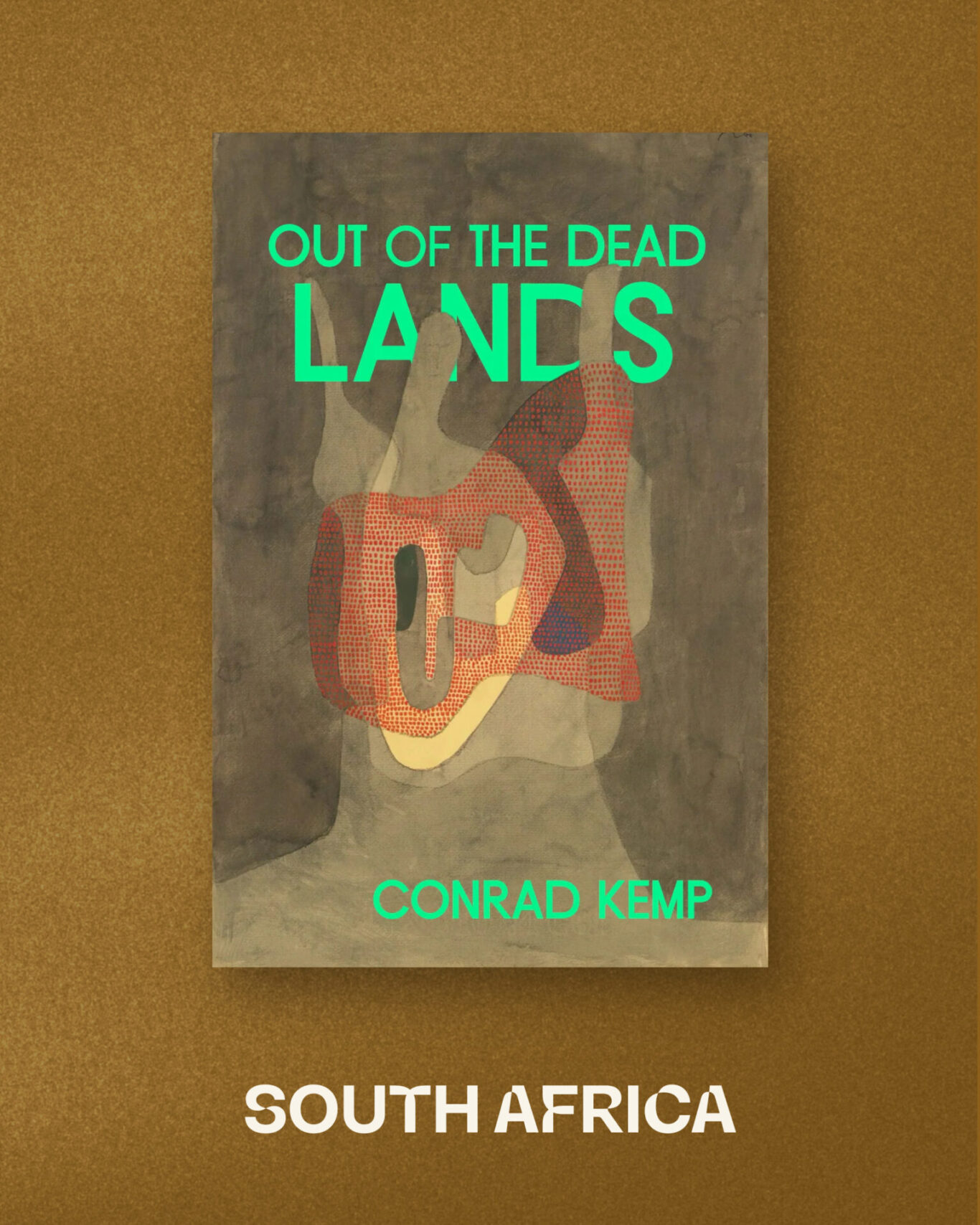
Out of the Dead Lands by Conrad Kemp
R280 from Mirari Press
There are the novels that demand attention, and there are novels that sneak up beside you and wait their turn. Conrad Kemp’s Out of the Dead Lands is the latter: a subtle, strange and assured debut set in a Johannesburg that feels both familiar and unsettled. This is a ghost story, though not in the traditional sense. Its hauntings are historical and emotional, hovering in memory, inherited guilt, and imagined futures. We follow Cephas Twala, dreaming into a future he won’t see; Helen Bortis, reckoning with an apartheid-era past; and Stephen Moyer, navigating environmental collapse. Their lives intersect in ways that feel like memories personified. Kemp handles big ideas, time, identity and unfinished histories with a light, lyrical touch and wry humour. The result is a novel that is ambitious and thoughtful – a ghost story with heart, intelligence and a knowing smile. Riley Herbert-Henry
Film (Continent-wide & Diaspora)
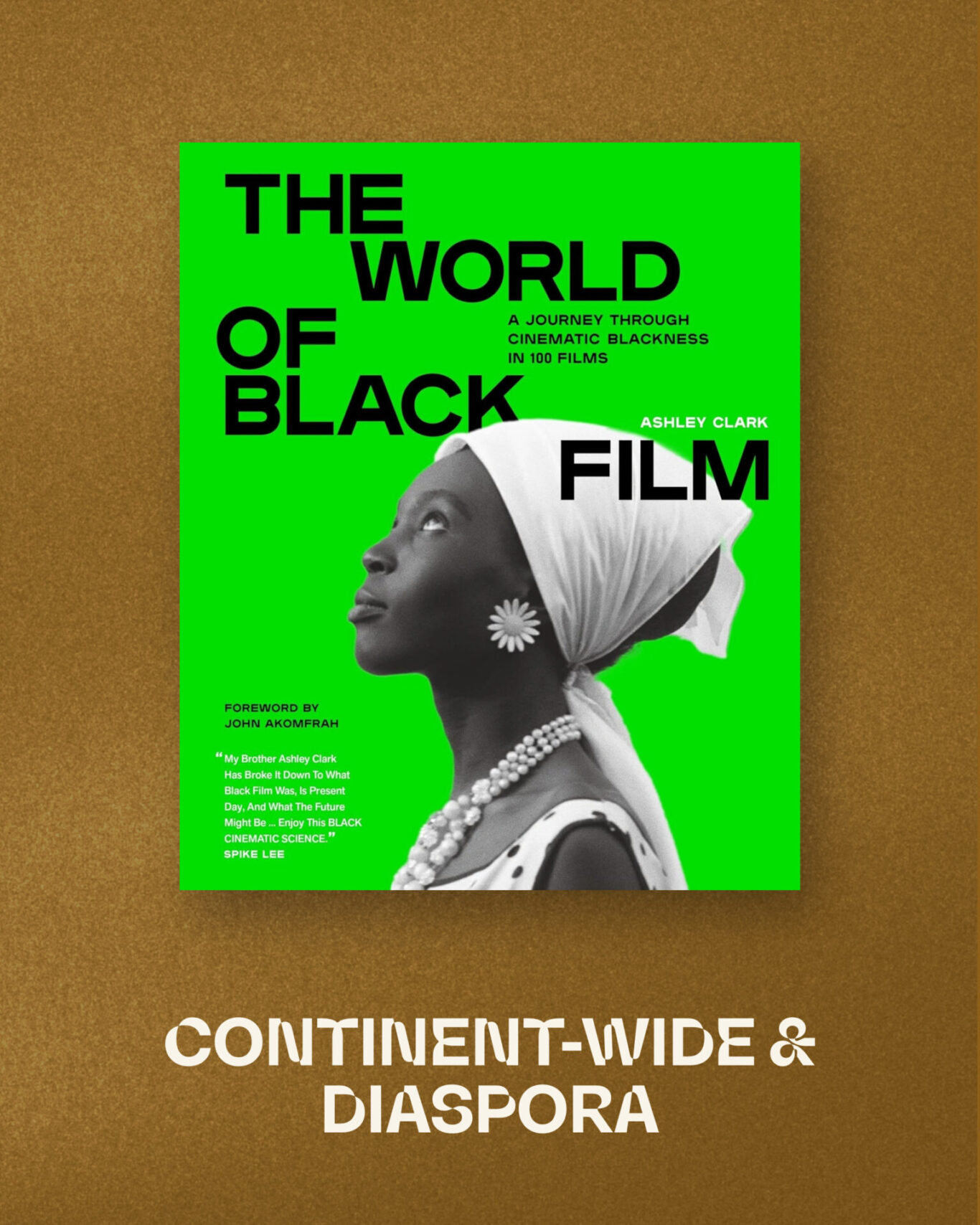
The World of Black Film by Ashley Clark
R995 from The Book Lounge
Who doesn’t love a really good list of great movies? The World of Black Film is a deep dive into over 100 years of black film and filmmakers via 100 chronologically listed films, and constitutes a brilliant introduction to its story to date. It also serves as a very necessary corrective to many other such histories, and famous lists such as Sight & Sound magazine’s, which have sadly tended to neglect what author Ashley Clark calls ‘cinematic blackness’ in the subtitle of his book. Each of the 100 films chosen gets a spread on which the promotional poster, or stills from the movie, are featured alongside the essential info – title, date, director, country, one-sentence summary – as well as a longer but very accessible description of the film and its impact. The added bonus: Clark’s introduction, which is a witty, engaging and politically savvy piece that both persuades and informs. An essential reference for anyone interested in the history of black filmmaking, and dedicated movie lovers in general. Robyn Alexander