Contemporary fiction (Diaspora)
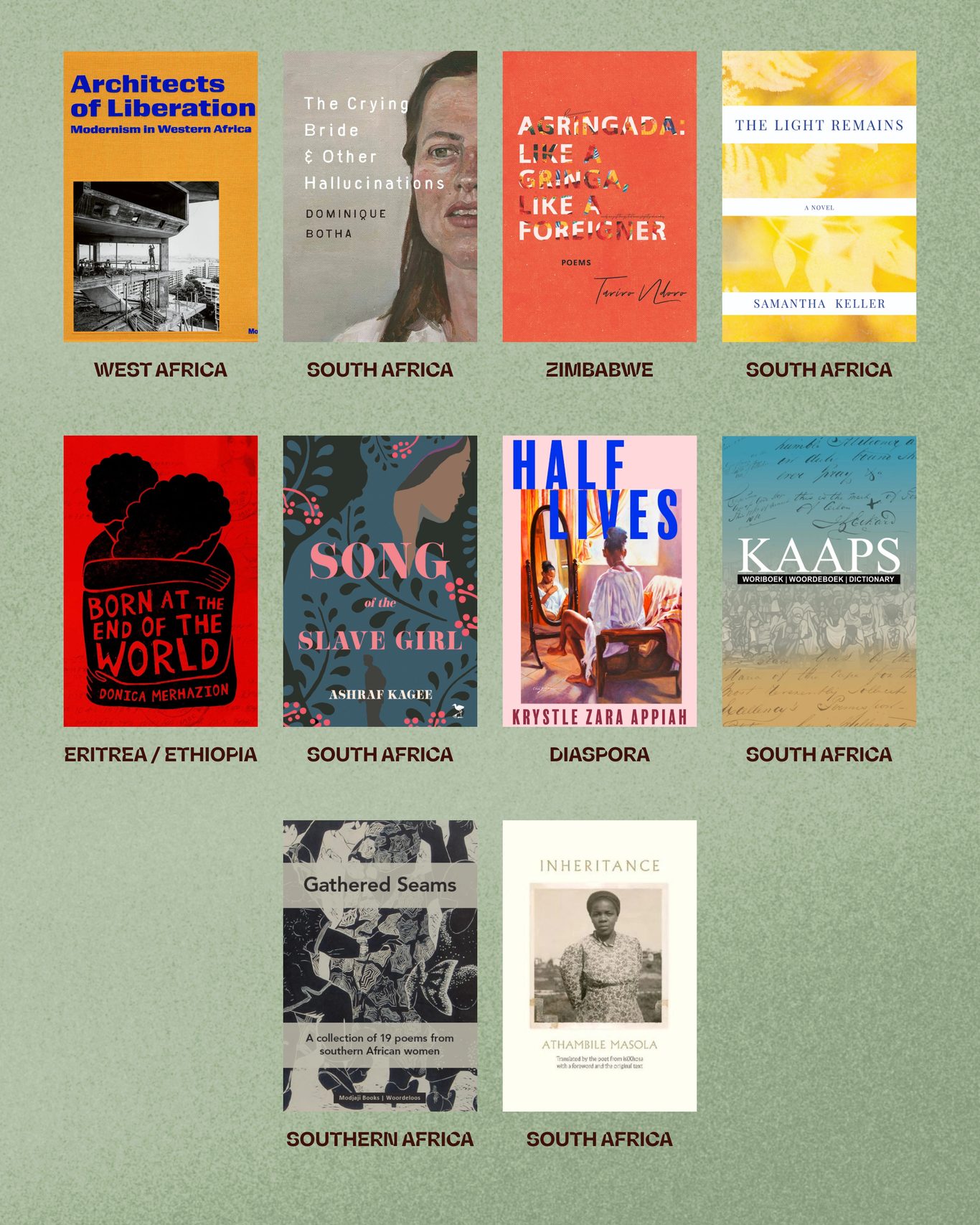
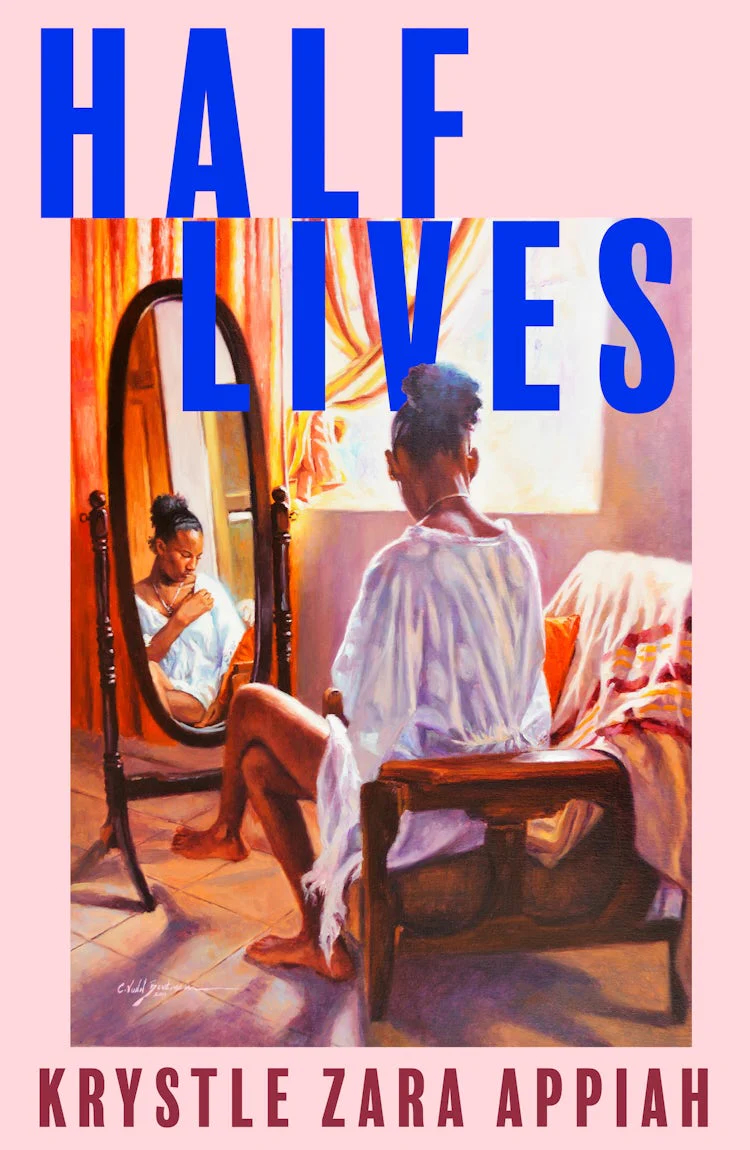
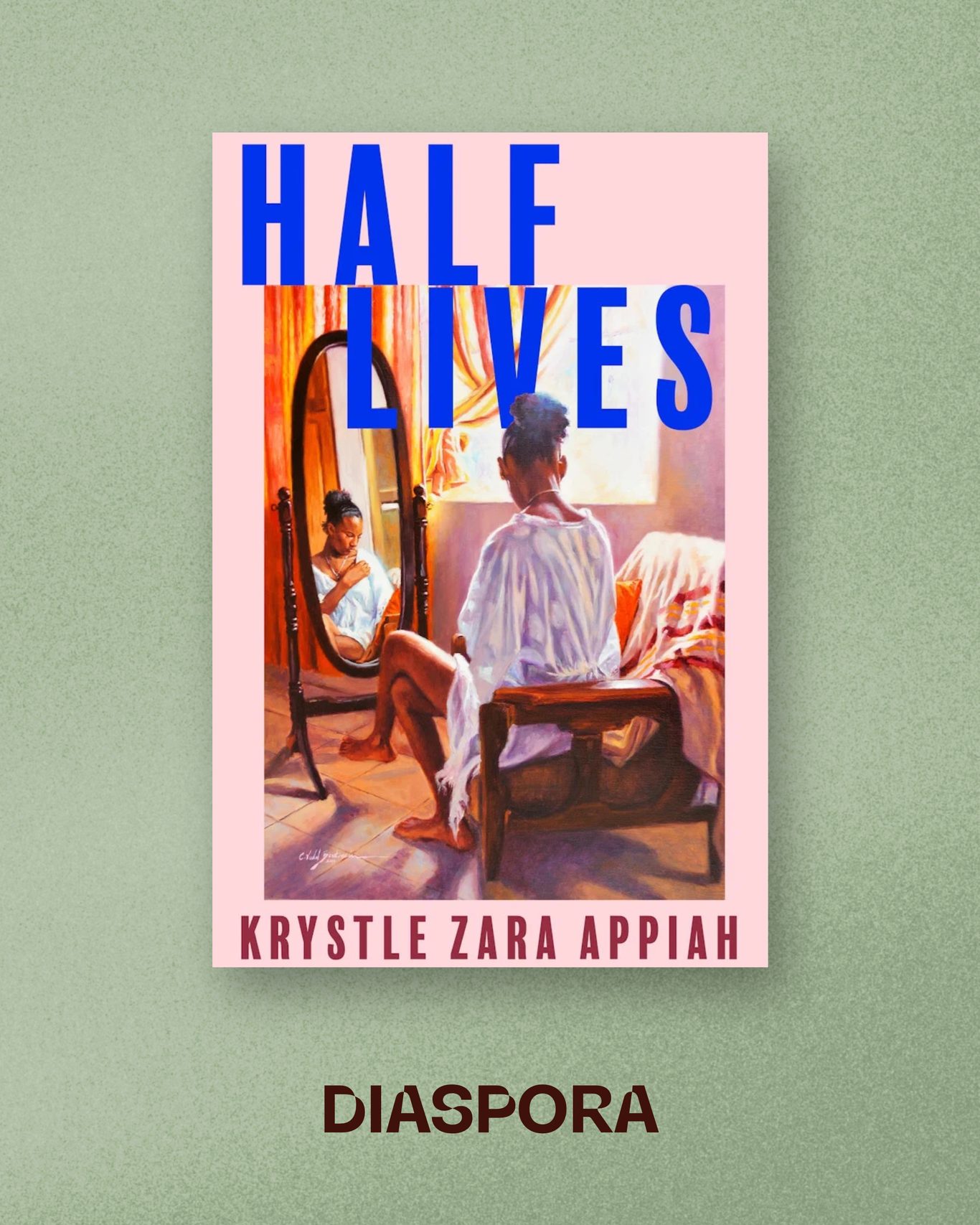
Half Lives by Krystle Zara Appiah
R430 from The Book Lounge
Krystle Zara Appiah’s second novel, Half Lives, is set in Ghana and the USA in the 1960s and 1970s, and is a deeply moving story exploring the difficult themes of gender-based violence and coming-of-age trauma. The story moves between the points of view of sisters Maggie and Evelyn, and from the very first page, when Appiah’s narrator describes ‘[m]en with nothing better to do than shine their eyes on girls young enough to be their daughters’, the stage is set for each sister to face desperate challenges. Readers will find themselves very much hoping these girls can break out of their individual cycles of violence and despair. Our hearts break for Evelyn in her violent suppression under her abusive husband, and our frustration looms over Maggie’s reckless actions. Appiah gets us asking the inevitable questions – ‘Why can’t she speak up?’ ‘Why doesn’t she leave?’ ‘How could the family not help?’ – and understanding why there are no easy answers. There is something truly heartbreaking in the beautiful spirit of Evelyn, and Maggie’s rebellious character finally finds meaning as she breaks the cycle of decades of bitterness. Half Lives is a beautiful and worthy novel of women’s courage. Tanya Farinha
Contemporary fiction (South Africa)
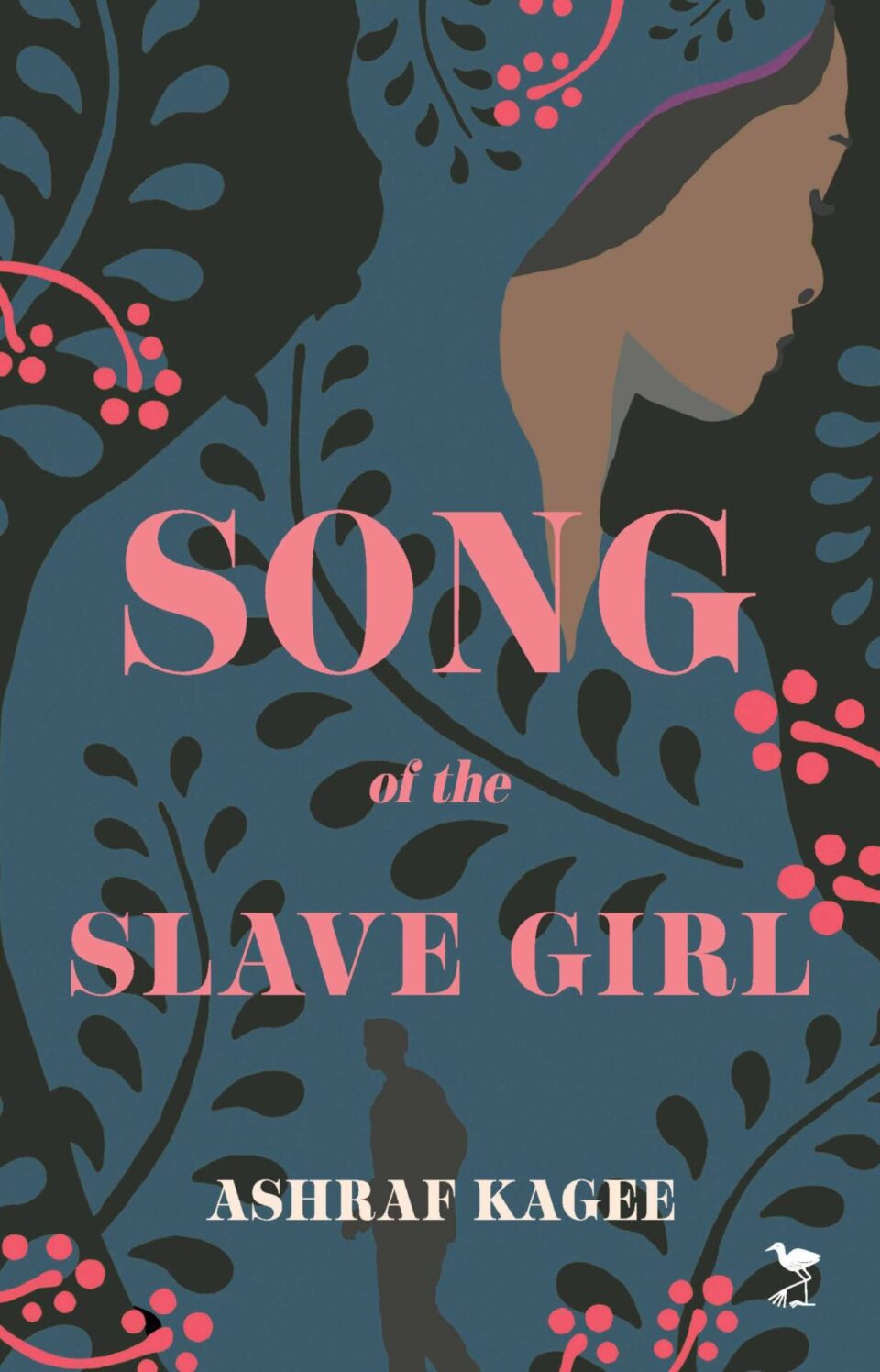
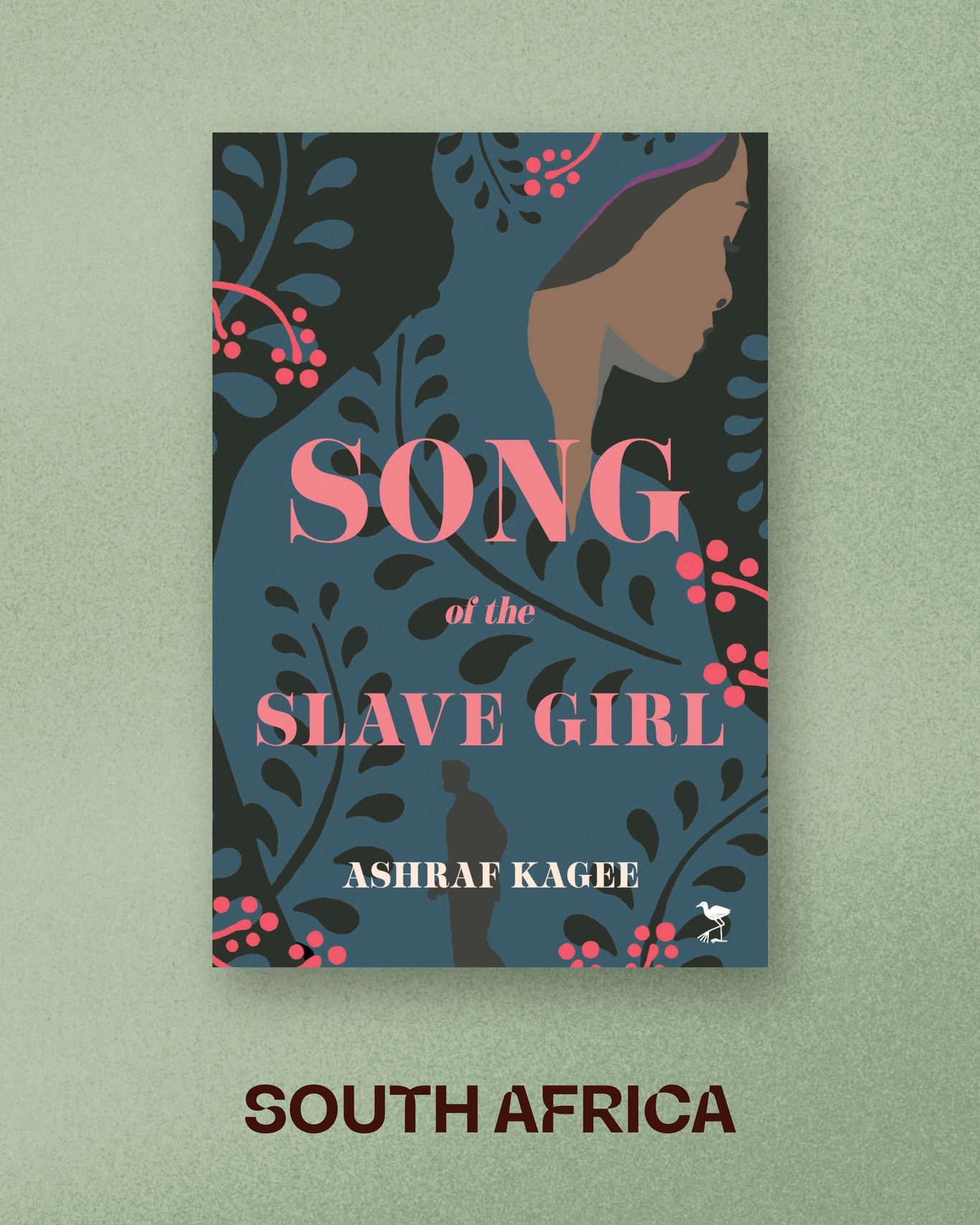
Song of the Slave Girl by Ashraf Kagee
R300 from The Book Lounge
A sad tale of love, free will, the cruelty and inhumanity of slavery in the Cape Colony – but also, of the indomitable human spirit. Meraj and Djameela are spiritually attuned lovers living an accursed life trapped on farms working the land of the European settlers who have enslaved them and their families. This is a book to read if you’re looking for an introduction into how the Cape Colony’s settlers treated the enslaved Muslim people that were brought from Indonesia to Southern Africa; it is a rare and necessary glimpse into a historical period (the early 1700s) where the blood, sweat and tears of people brought here against their will became etched into the stone, the fynbos, the very air that is breathed in the Cape today. One caveat: while the story itself and the development of its characters and setting deserve praise, this book is let down by editing choices that lead to repetition in some parts. Luso Mnthali
Contemporary fiction (Eritrea / Ethiopia)
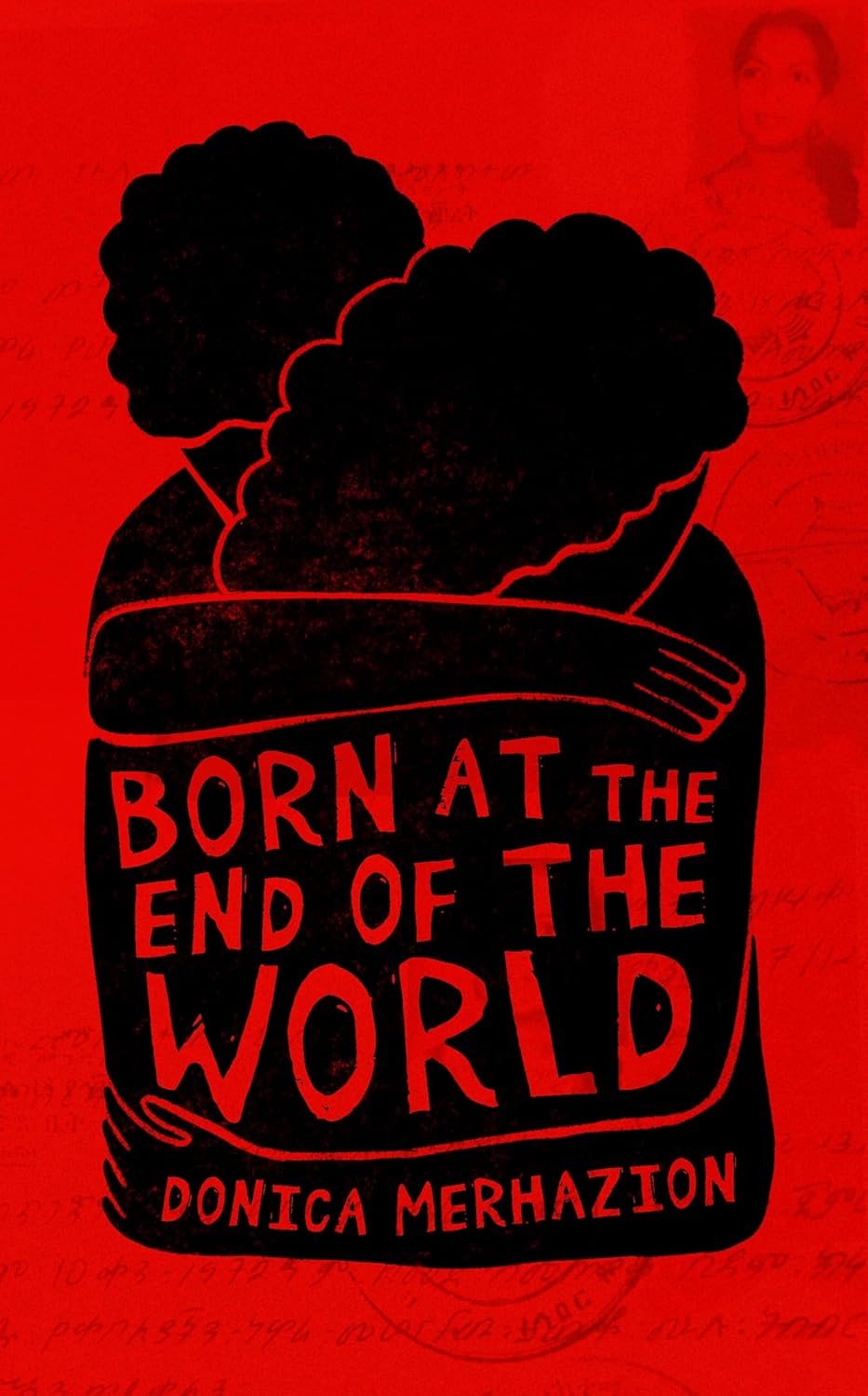
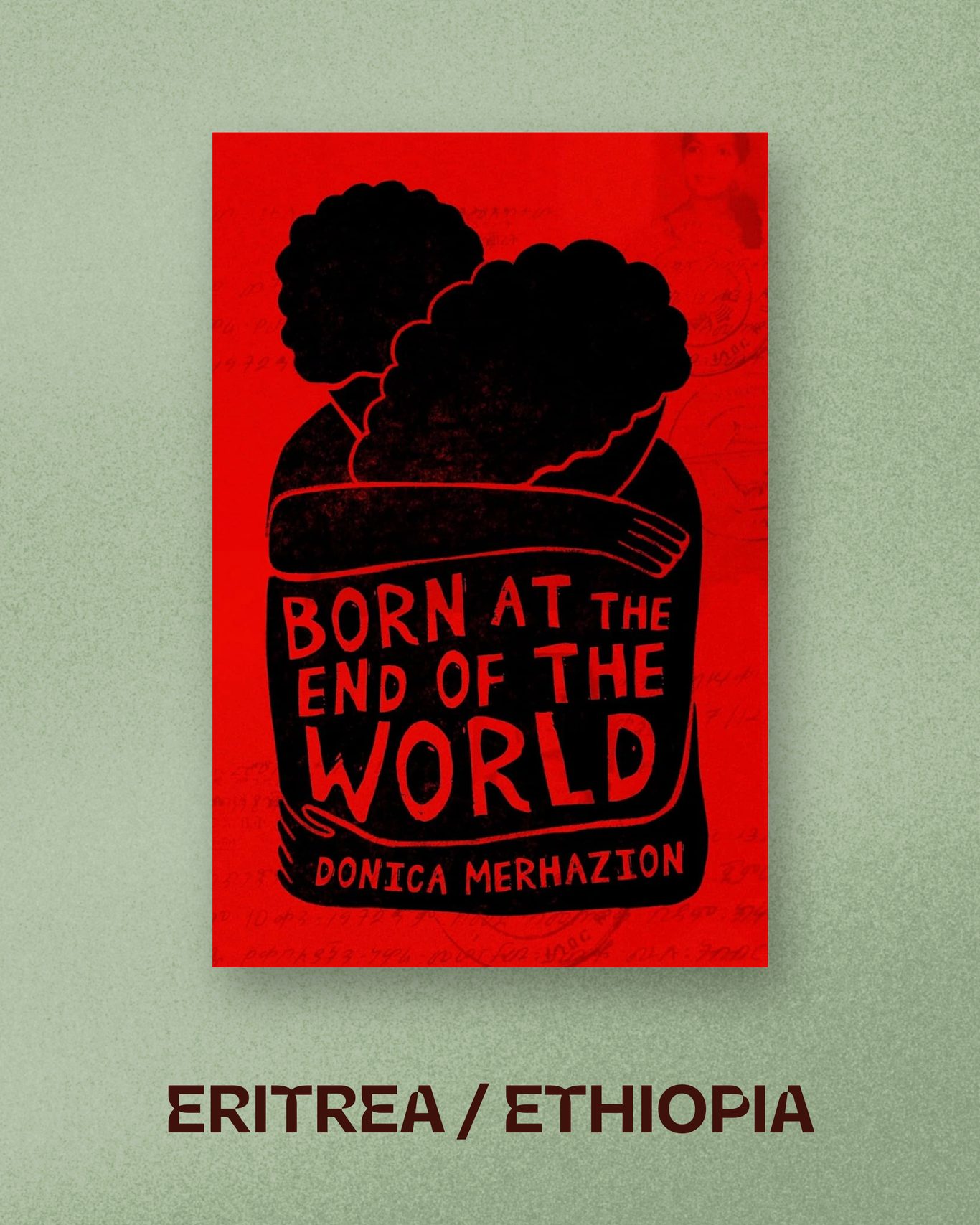
Born at the End of the World by Donica Merhazion
R320 from The Book Lounge
Merhazion opens the borders of Ethiopia and invites the reader into the violence that birthed her. Moving between the 1960s and 1980s, this debut novel explores the historical conflict between Ethiopia and Eritrea and the effects of this war on ordinary civilians forced to become extraordinary because of what survival requires from them. Based on the true story of how the author’s parents’ individual paths were disrupted by the Derg regime, the book is full of suspense as Elen and Girmai fight for justice while they come to terms with a love that defies their circumstances. Their parallel childhoods are marked by fear, poverty and ultimately escape – yet they both cling to the hope of freedom. Though the imminent threat of violence keeps putting that hope at risk, love restores it. This is Merhazion’s debut novel, and although the story is born from darkness it is not a traumatic read. The author handles the themes of death, poverty, abandonment and family wounds with such care that the reader feels held rather than harrowed. Somila Swaartbooi
Contemporary fiction (South Africa)
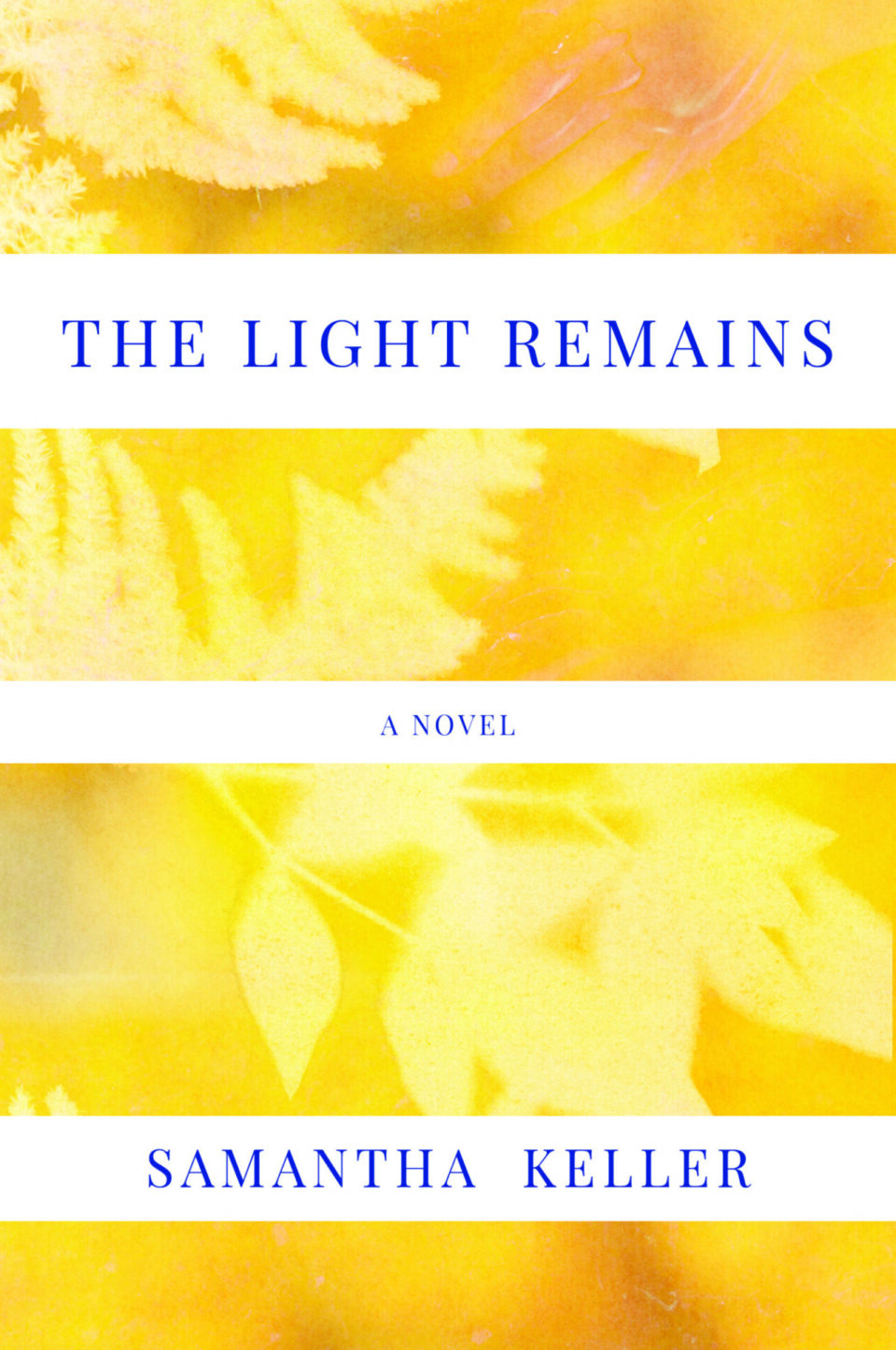
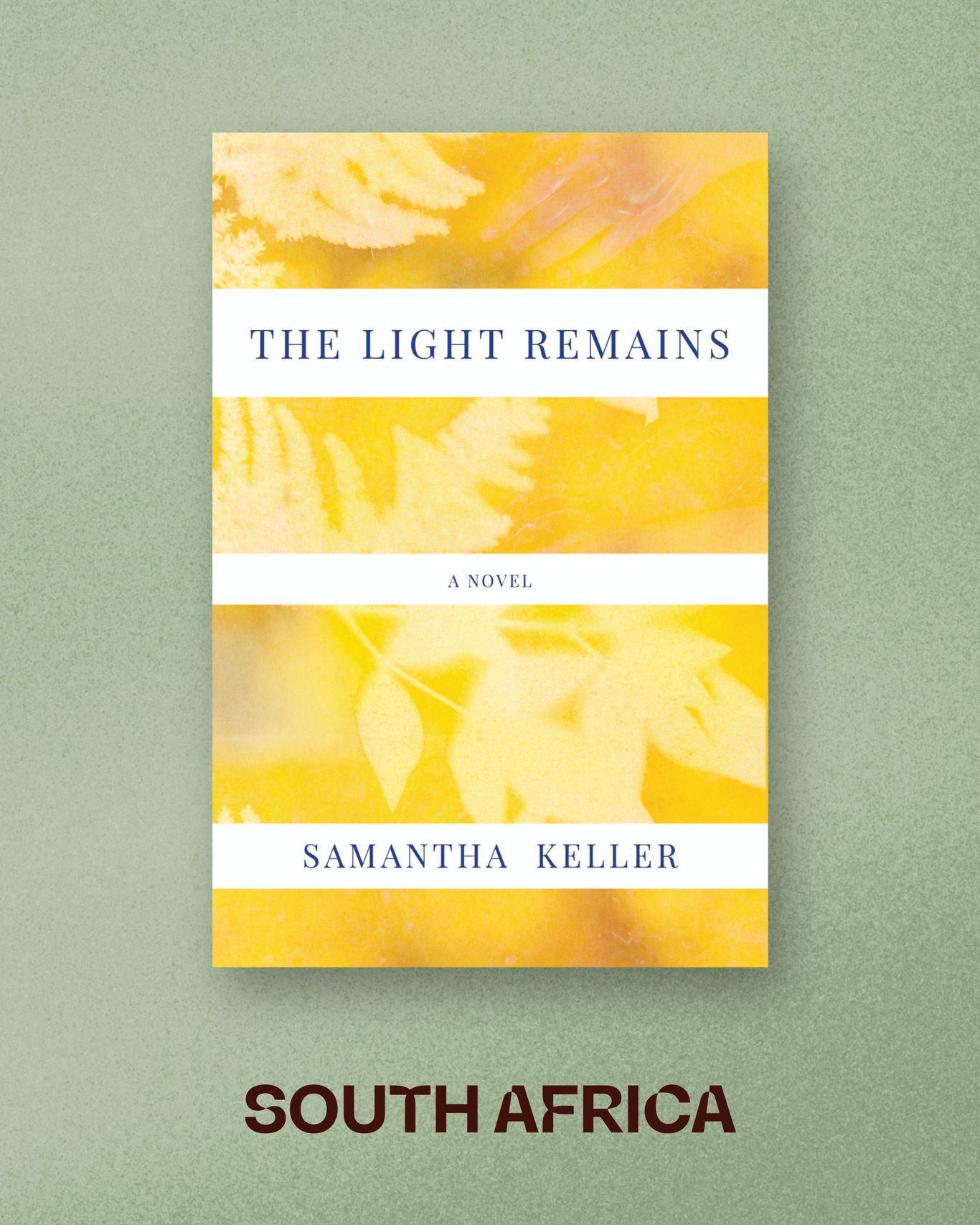
The Light Remains by Samantha Keller
R330 from Modjaji Books
Samantha Keller’s The Light Remains is a coming-of-age novel set on a dairy farm in 1960s South Africa. Following her father’s death, Eve Hunter must navigate grief, family expectations and her growing feelings for Jack, her closest friend, whose future has long been tied to that of her older sister, Kate. As family secrets come to light and the farm’s future hangs in the balance, Eve is forced to reckon with the life expected of her and the possibility of choosing differently. What I found interesting was how Keller situated an intimate family drama within apartheid-era South Africa. Although racial tensions shape the world in which the characters live, the novel’s focus remains on the family and the personal conflicts that unfold within it. I also appreciated that it offered something different from the historical fiction I usually read, focusing on domestic life rather than making historical events the central concern. As a debut, The Light Remains offers an interesting introduction to Keller’s style, and I’m curious to see what she writes next. Amyn Bawa-Allah
Contemporary poetry (Zimbabwe, South Africa, Southern Africa)
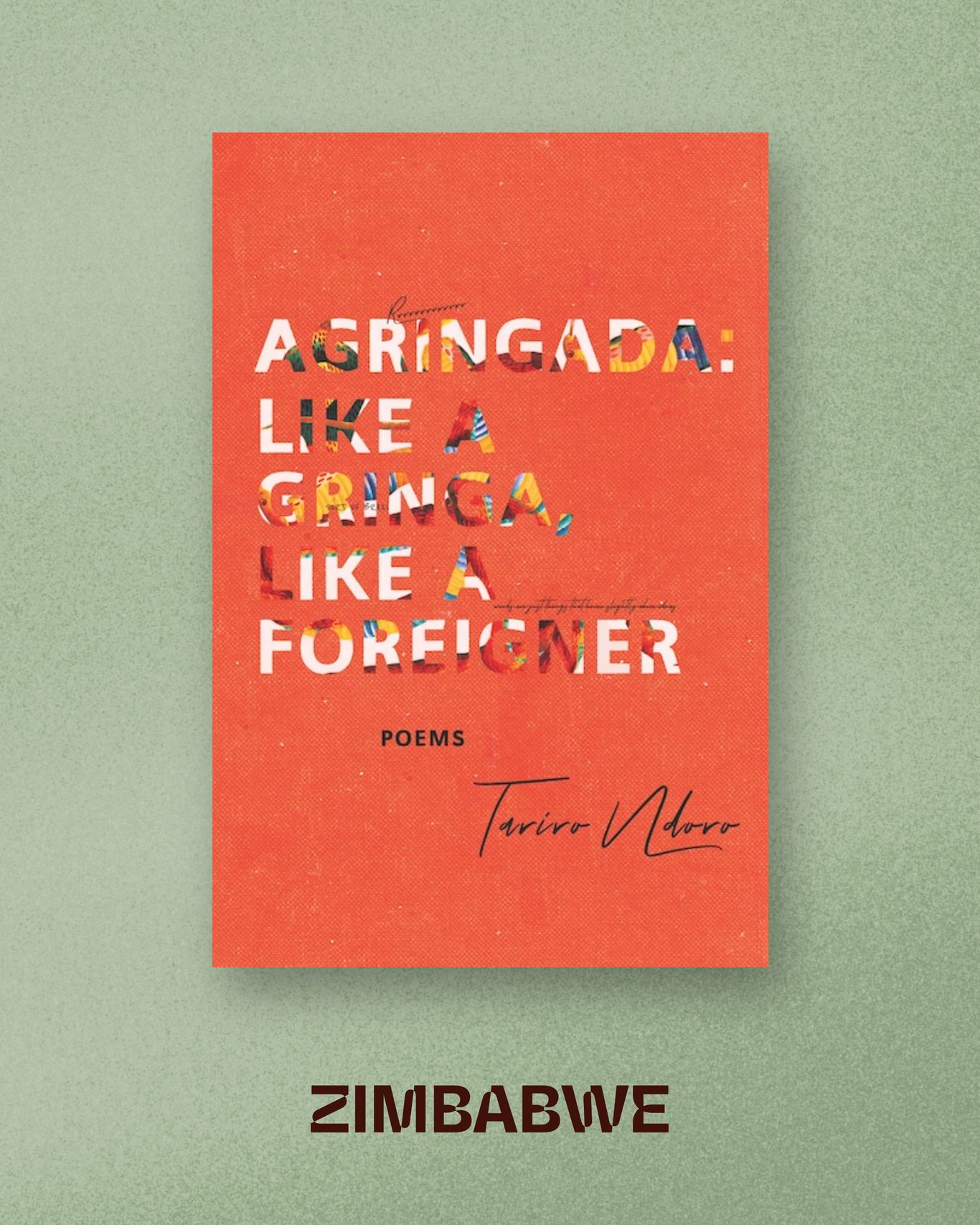
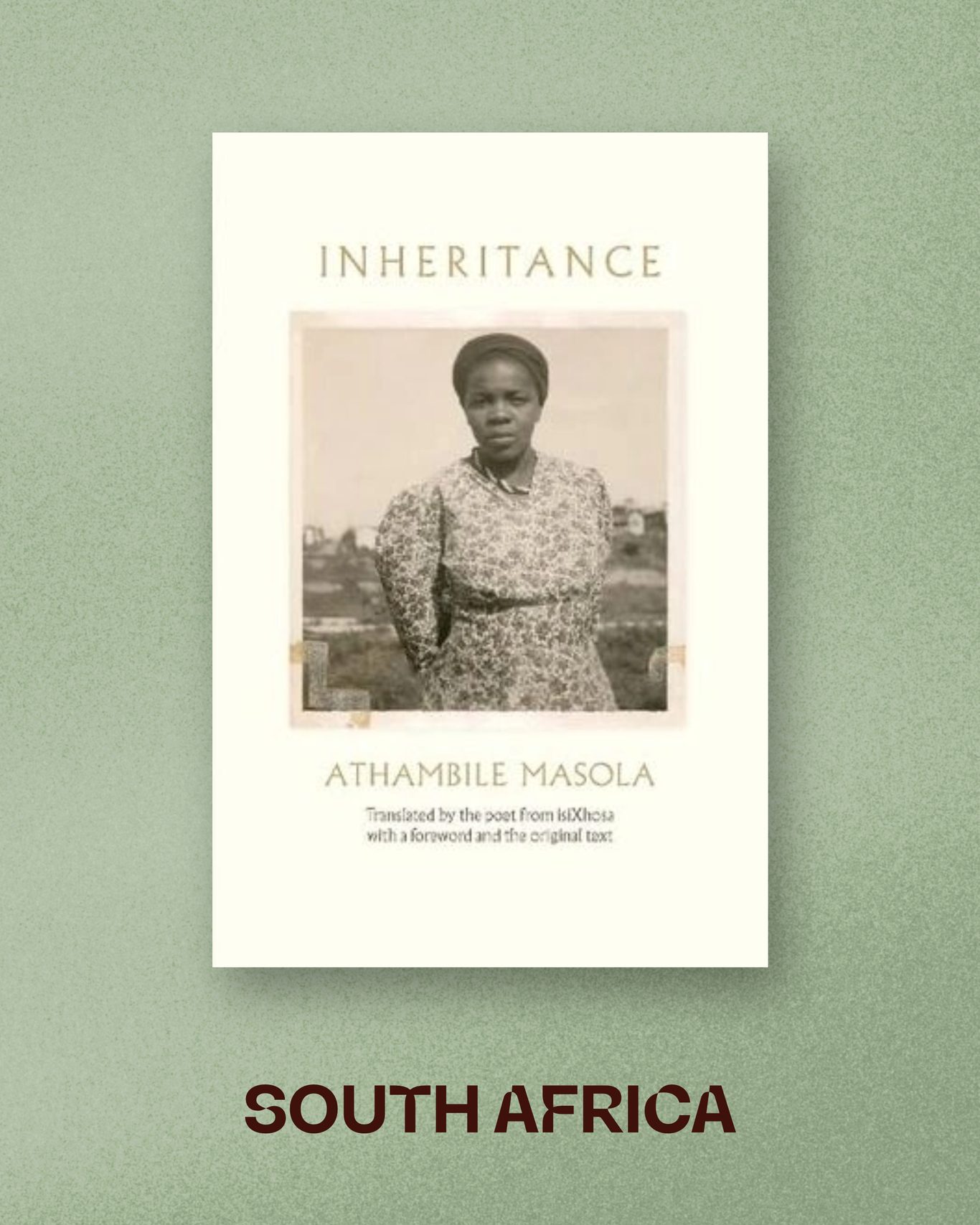
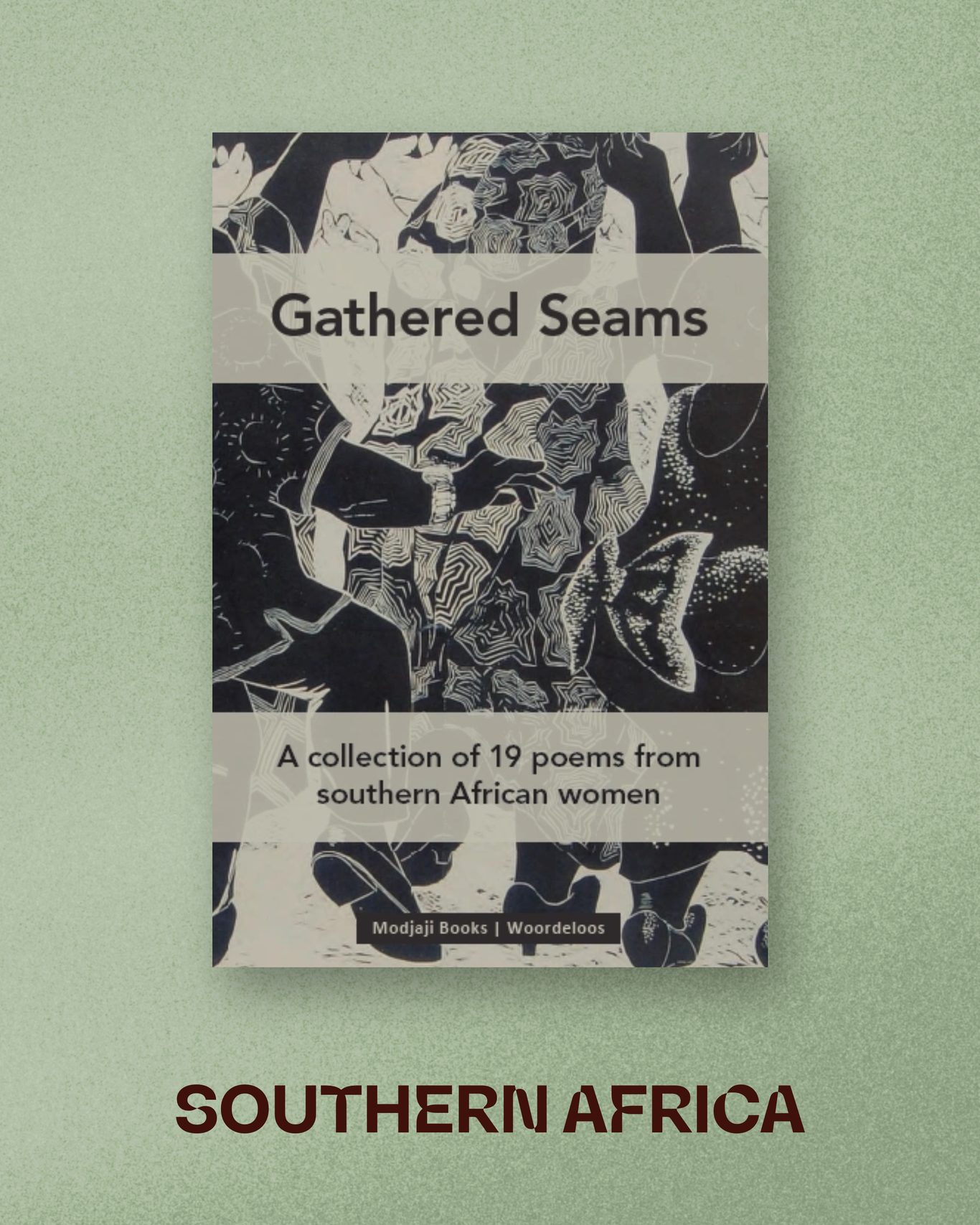
Agringada: Like a Gringa, Like a Foreigner by Tariro Ndoro; Inheritance by Athambile Masola; Gathered Seams edited by Liliana Risi and Colleen Higgs
R200 from Modjaji Books; R320 from The Book Lounge; R200 from Modjaji Books
Zimbabwean poet Tariro Ndoro presents a series of emotive yet thoughtful experiments in what can and can’t be said in poetry – and indeed, words in general – in Agringada: Like a Gringa, Like a Foreigner. ‘Severing’, about a young girl’s experience of her mother’s absence, is especially memorable, but this varied collection contains much to ponder and savour. The widely acclaimed poems of Inheritance, by Athambile Masola, also offer the reader much that is evocative and affecting; her use of nature imagery and ability to convey intense emotion via spare, minimal description are especially noteworthy. In addition, readers conversant with both languages are able to compare the (original) isiXhosa versions printed on each left-hand page with Masola’s own translations of them into English on the right-hand one, which adds extra dimensions to their meanings overall. Finally, the multivalent voices of the 19 women poets featured in Gathered Seams make dipping into this collection a treat worth repeating regularly. Abigail George’s ‘Why does a Woman Write?’ – which includes the glorious line, ‘She writes to birth a country, read that again’ – and ‘A Corpse on My Shoulder’ by Tshifhiwa Hellen Munyai are particular highlights. Robyn Alexander
Contemporary fiction (South Africa)
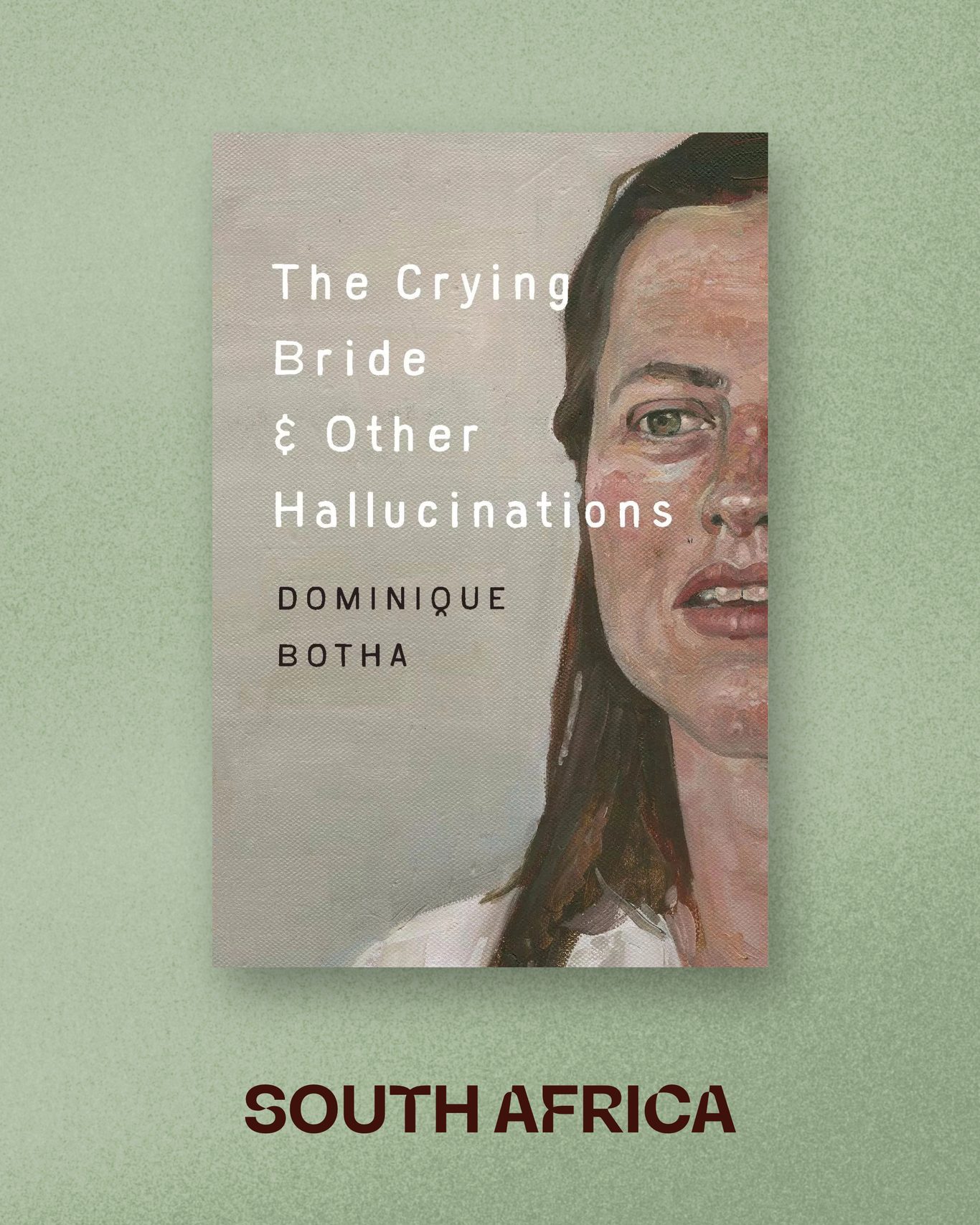
The Crying Bride & Other Hallucinations by Dominique Botha
R340 from The Book Lounge
Dominique Botha is a unique talent. In this stunning collection of short fiction and autobiographical stories, she takes on a journey to the Free State, where she grew up. She tells us tales of family, love, belonging and grief. The narrative is woven together with family photos, printed in glorious colour, which further the story’s urgent – and often sardonic – messages. The writing is sprightly and full of life. Quick, without feeling rushed. Every word belongs exactly where it is, making the stories an artful curation of life and living. Botha’s writing is deeply evocative, and I highly recommend this collection and applaud it for its humanity. Riley Herbert-Henry
Reference (South Africa)
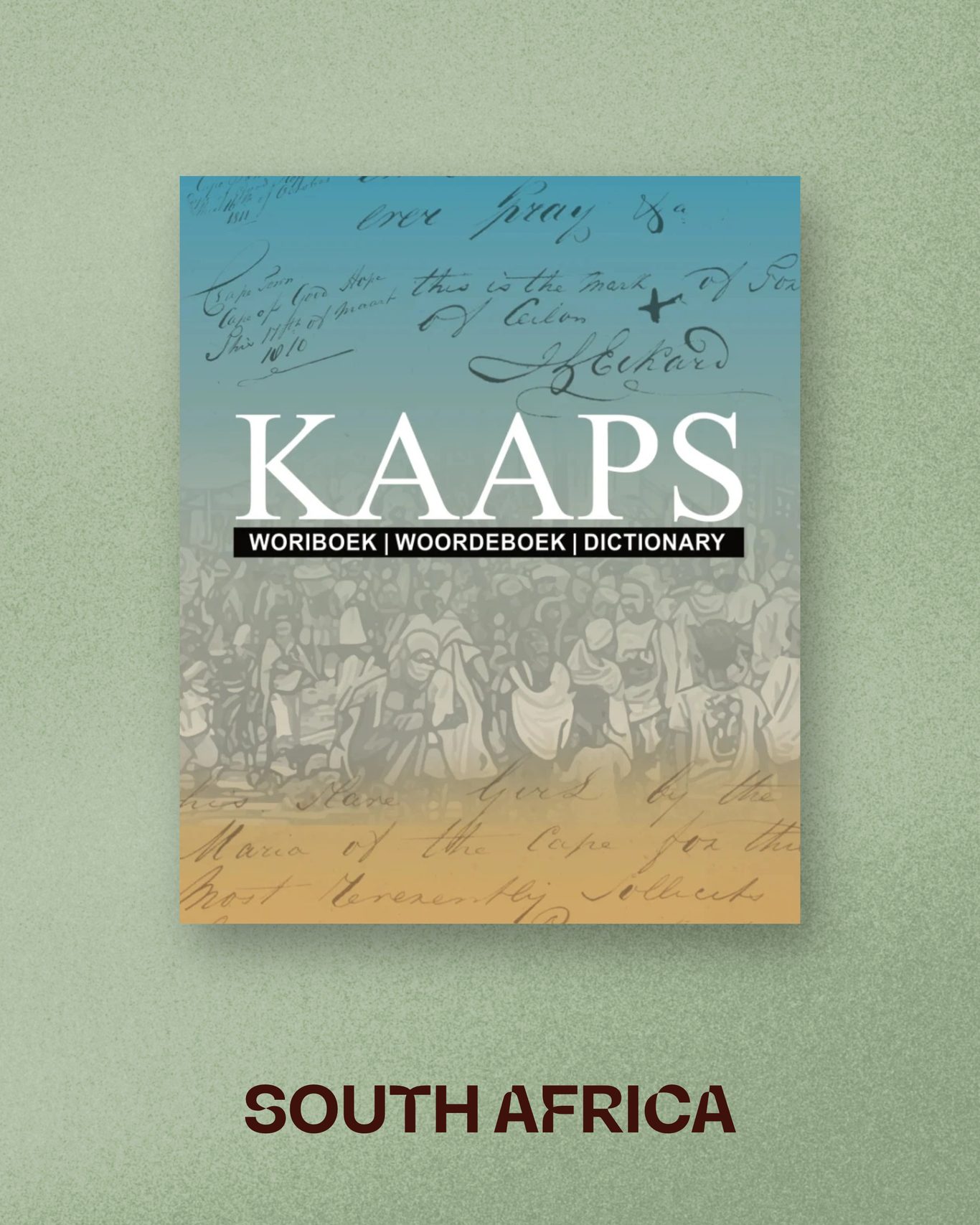
Kaaps Woriboek / Woordeboek / Dictionary by Quentin Williams
R323 from The Book Lounge
The Kaaps Woriboek / Woordeboek / Dictionary is an ambitious reference release that marks a major milestone for the language and culture of the Western Cape. As explained in its introduction, Kaaps originated as a slave lingua franca, essentially born out of variations of Cape Dutch, Arabic, Portuguese, Malay, and indigenous Khoi and San languages. It has existed primarily in everyday speech for hundreds of years, but dedicated advocacy in recent years by South African researchers has shifted the conversation around the language, especially in academic circles. In this context, Professor Quentin Williams, director of the Centre for Multilingualism and Diversities Research at the University of the Western Cape, has led a team of linguistic editors on a five-year journey to the realisation of this fascinating resource. Kaaps far surpasses the definition of a mere reference title; it should be considered a major step towards formally recognising, codifying, standardising and preserving Kaaps as a language, making it a book of singular cultural and historical significance. Anton Marshall
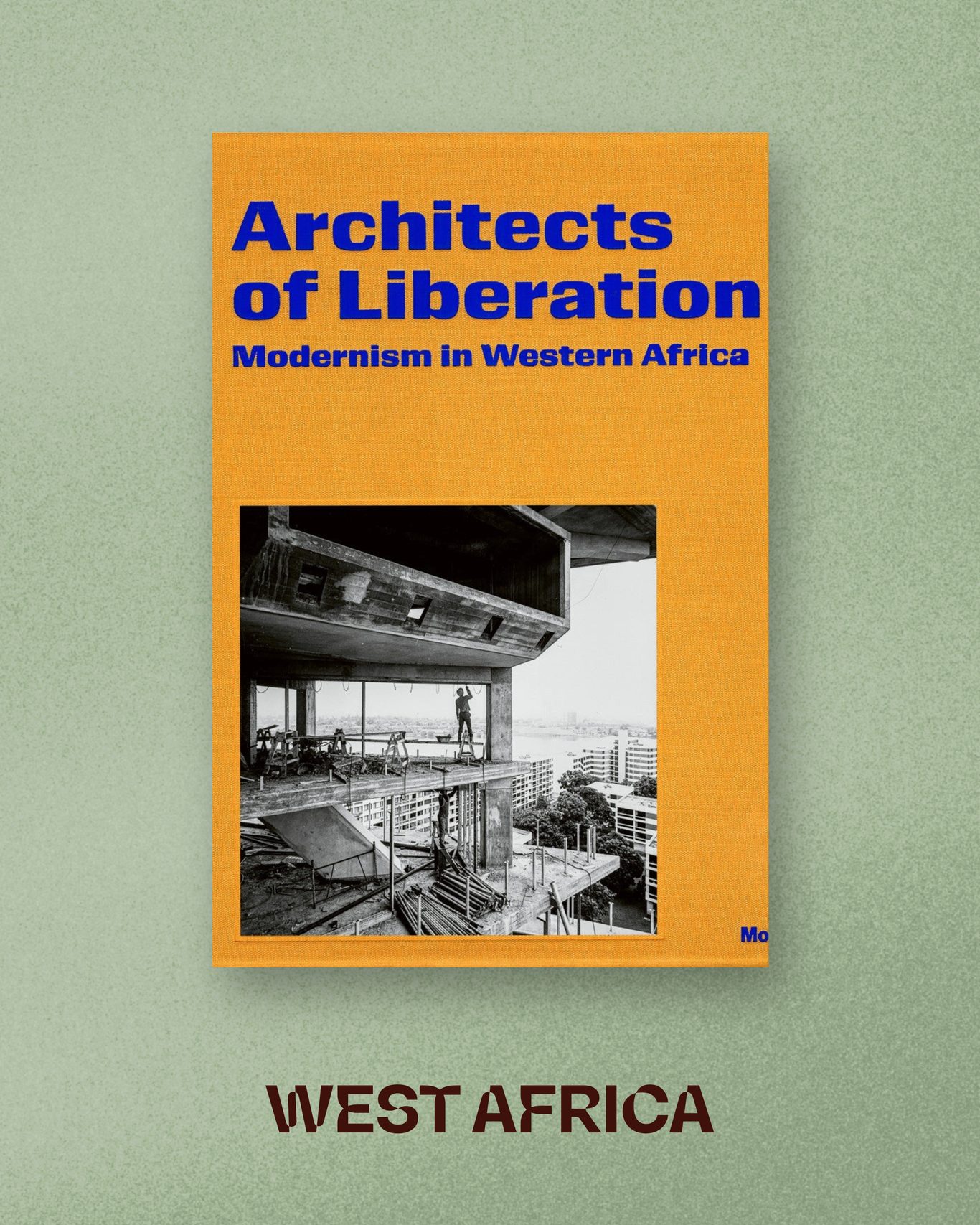
Architecture (West Africa)
Architects of Liberation: Modernism in Western Africa edited by Martino Stierli and Ikem Stanley Okoye with Mallory Cohen
R1900 from Jonathan Ball
Architects of Liberation is another title – like Nigerian Modernism, which we reviewed last month – that reflects the current surge of interest in modernism as an art and design moment on the continent. It is the catalogue of the exhibition of the same name currently on show at New York’s Museum of Modern Art, and the book includes deeply researched texts as well as visual material. The latter is also wide-ranging in scope, taking in concept sketches and plans as well as photographs of a large number of the seriously eye-catching West African buildings that date from this period. My favourites among these images are those of the interiors of some domestic houses in Accra and Lagos, but the spectacular exuberance of Abidjan’s La Pyramide and Yaounde’s Hôtel de Ville are also among the many visual delights here. Both inspiring and informative, this is an essential acquisition for those interested in both (or either!) modernist buildings and African architectural history in general. Robyn Alexander