Contemporary fiction (South Africa)
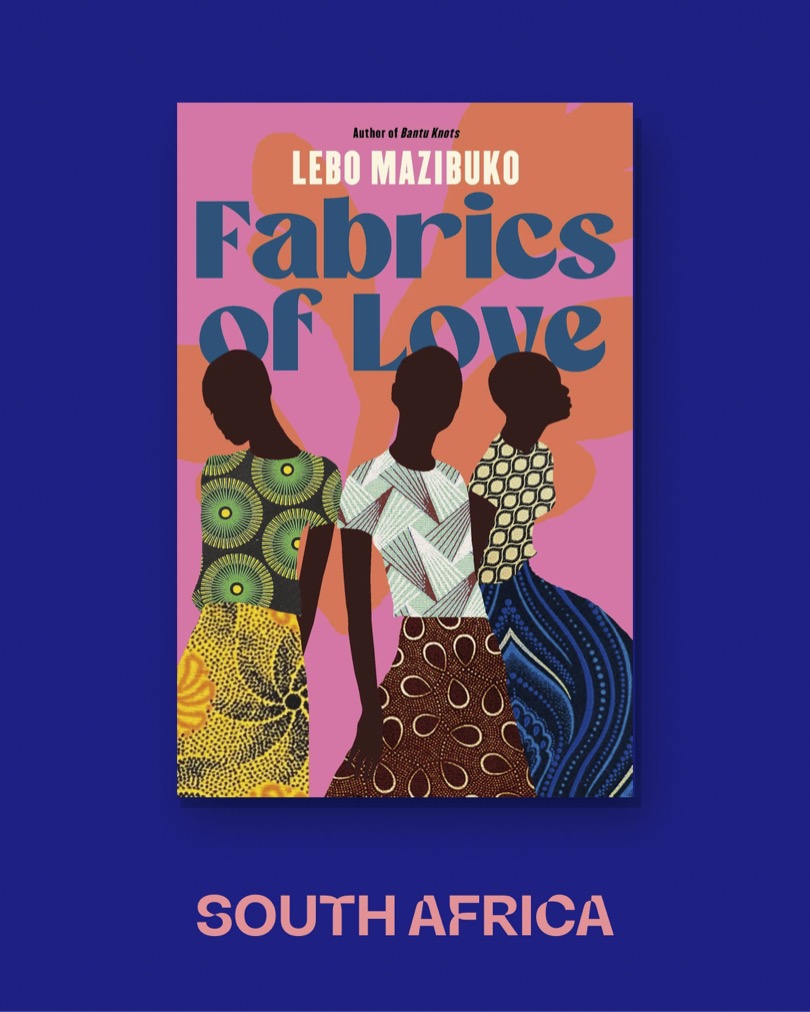
Fabrics of Love by Lebo Mazibuko
R330 from Exclusive Books
Based in the dawn of the 2000s in South Africa, Lebo Mazibuko’s Fabrics of Love tells the interwoven stories of the Ntoi family, creating a tapestry of social joys and ills experienced in township life. South African readers in particular are likely to find themselves reflected in each character’s backbreaking search for acceptance in an environment still making sense of itself. It reminds us of the ordeals passed down through generations, unseen, but strikingly felt. The novel is a courageous tracing of the ‘fabrics’ that weave many households together: love, heartbreak, fear and insecure optimism. At times, Fabrics of Love is uncomfortable for its truth-telling; other times, it is a soothing balm. Nangamso mkutaji Gumbe
Contemporary fiction (Nigeria)
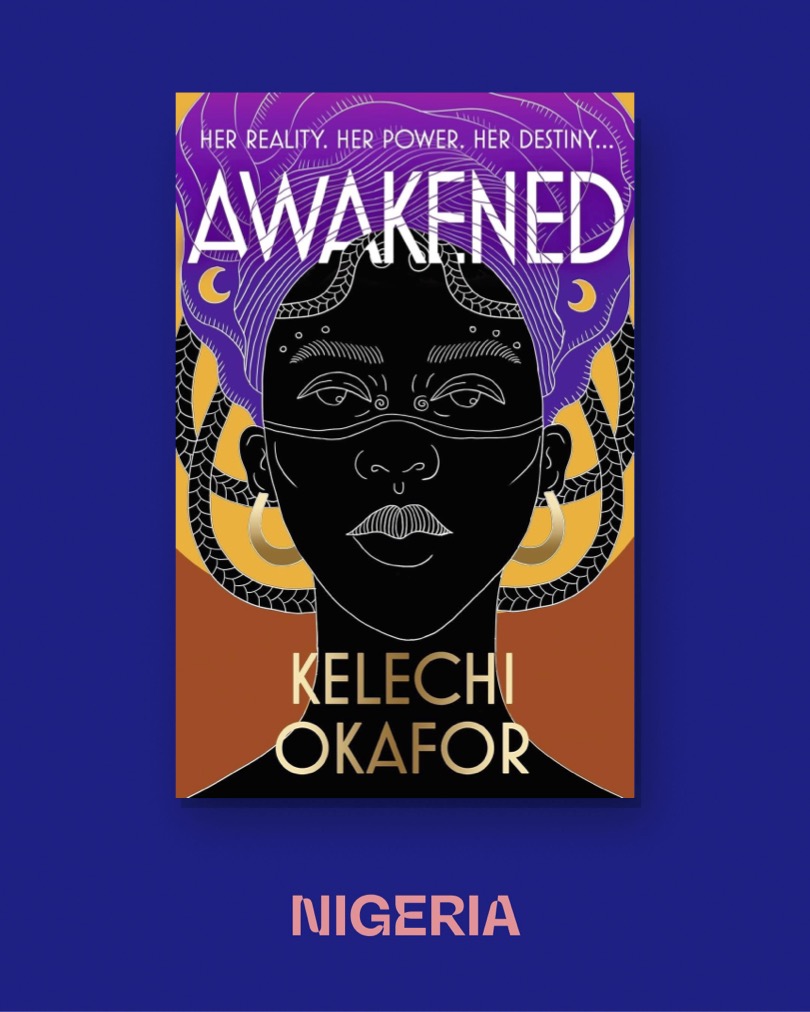
Awakened by Kelechi Okafor
R305 from The Book Lounge
After a number of young black children go missing, Pels, the investigative journalist at the centre of Awakened, begs her boss to let her cover the story. When he refuses and instead sends her to Benin to uncover the ‘unreasonable’ protests around tourists partaking in Spirit Vine rituals, Pels has some difficult decisions to make. In Awakened, Kelechi Okafor tackles themes of culture and the question of who it belongs to, while providing a cautionary tale of how far AI can go if we let it. She crafts stunning imagery of the landscapes of both London and Benin, and investigates the fine line between cultural appreciation and appropriation with great care. From an AI humanoid running for mayor to otherworldly dreams and messages, Awakened is an ambitious novel that I highly recommend. Riley Herbert-Henry
Contemporary fiction (South Africa)
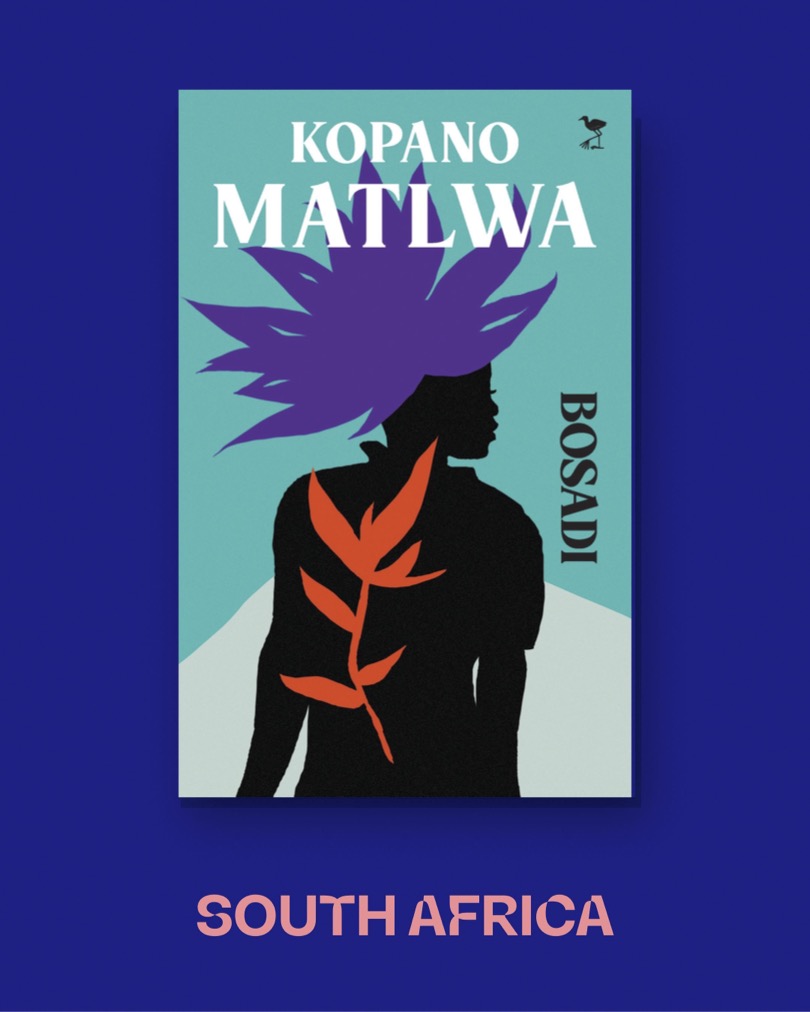
Bosadi by Kopano Matlwa
R240 from The Book Lounge
The subject matter in Kopano Matlwa’s work is never easy to contend with, but she writes with an accessibility that invites you to imbibe it whole, no matter how tough, and barely taking pause to breathe as you do. In Bosadi, Naledi and Aunty are the authoritative and astute narrators who, through careful observation of the other, unpack a story about deep inequality, marriage, domestic violence and grief. The vastly different circumstances of the two women, one a domestic worker from Zimbabwe and the other an upper middle-class black South African, act as the ever-present elephant in the room keeping each of them ‘in check’, despite attempts at closing the chasm through kindness and care. The narration also works well to trap you, the reader, in the same four walls that held the characters prisoner during a countrywide lockdown, gasping at each new hurt Naledi suffers at the hands of her adulterous and abusive husband. Pheladi Sethusa
Contemporary fiction (Nigeria)
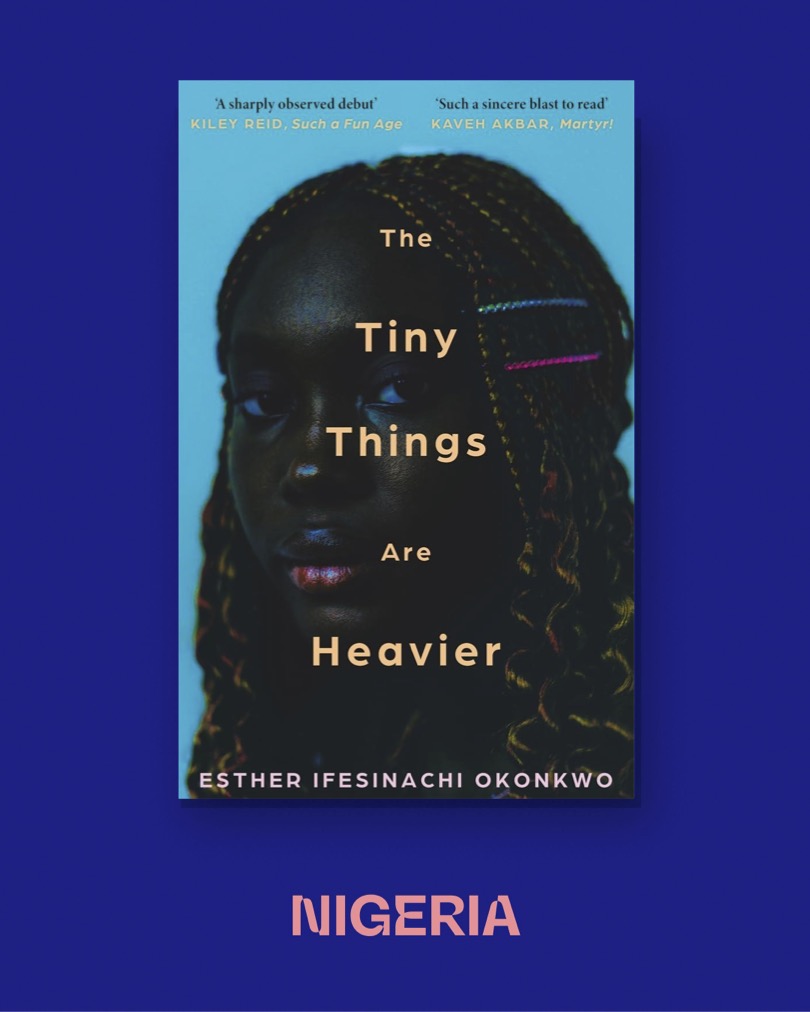
The Tiny Things Are Heavier by Esther Ifesinachi Okonkwo
R395 from The Book Lounge
The Tiny Things Are Heavier is a thoughtful exploration of grief, guilt, belonging and self-love. The novel centres on Sommy, a Nigerian woman, who leaves Lagos for graduate school in America in the wake of her brother’s suicide attempt. It follows her journey as she navigates a new life while coping with homesickness, the need to belong, and the lingering weight of guilt. As new friendships and a complicated romance pull her toward a life of her own, she discovers that distance does not dissolve what haunts you. When she returns to Nigeria, she must confront both the brother she left behind and everything she thought she knew. At its heart, this is a story about the small, unseen burdens that gather in the in-between, the ones that cast long shadows and quietly reshape who we are. Nokwanda Mngxitama
Contemporary fiction (South Africa)
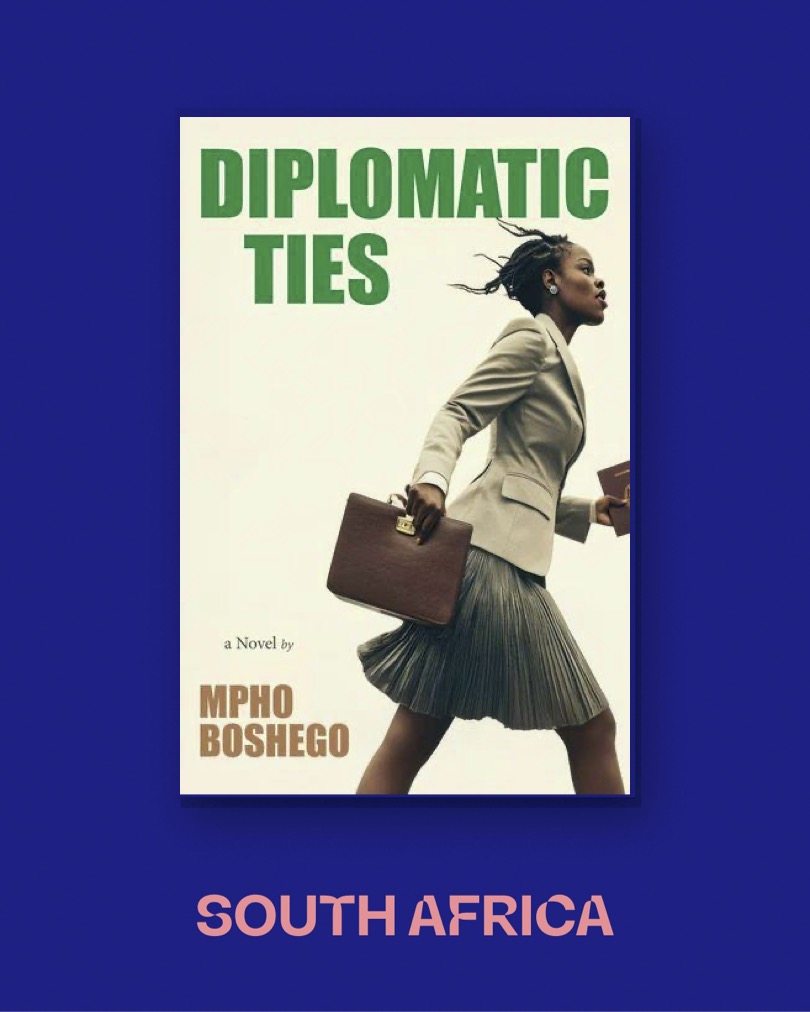
Diplomatic Ties by Mpho Boshego
R320 from The Book Lounge
Mbali Langa is a familiar South African character: coming from the townships and on her way onwards and upwards. She is smart, resourceful, dedicated and hard-working – she knows what she wants and how to get there. Or does she? Surrounded by a loving but difficult family, Mbali makes a series of choices that slowly but surely hem her into a path she hasn’t chosen for herself. Boshego’s novel also introduces us to the business (legal and otherwise) of day-to-day international diplomacy from a South African perspective. Were the supporting characters based on real examples? I have my suspicions, but the most interesting perspective is that of the main character herself. She takes you with her as she grows up, has her eyes opened to the world and the characters and choices (both good and bad) that fill it. I could have done with more intrigue (who doesn’t love Slow Horses?) but watching Mbali realise who she is and start to blend her background with her future self was an enjoyable journey. Jennifer Downs
Photography (West and Central Africa)
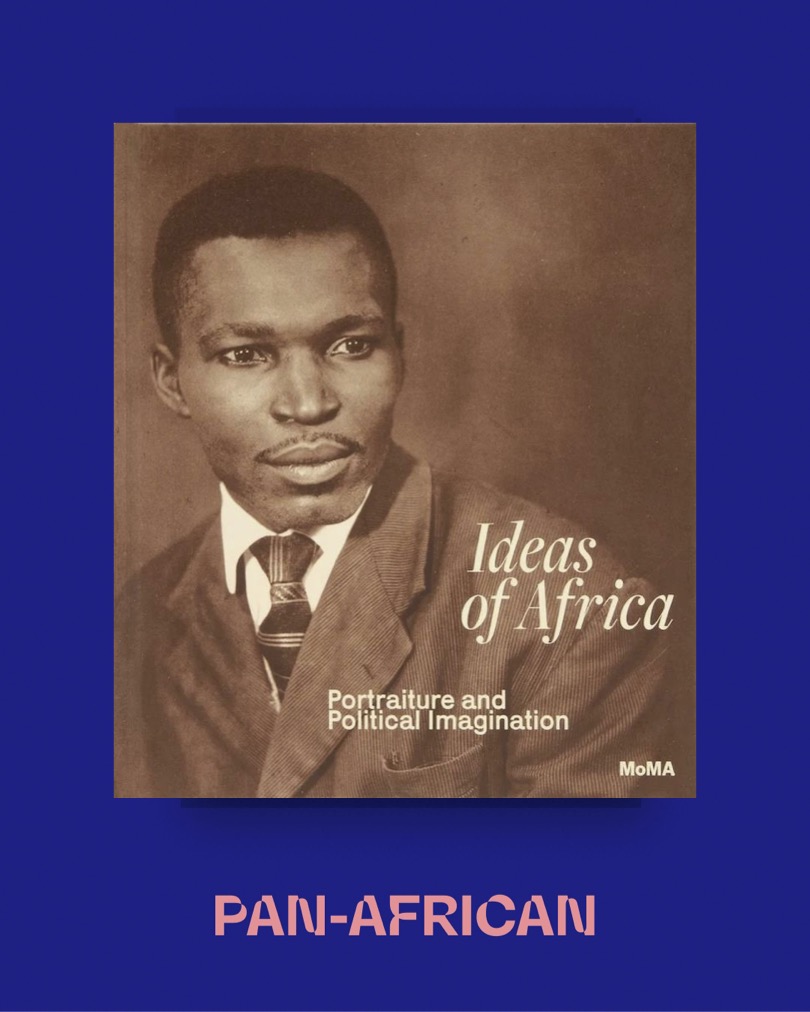
Ideas of Africa: Portraiture and Political Imagination by Oluremi C. Onabanjo
R1380 from Clarke’s Bookshop
‘Ideas of Africa is invested in mining incipient ideas of the continent … all rendered through the frame of the photographic portrait,’ writes Museum of Modern Art (MoMA) photography curator Oluremi C. Onabajo in her introduction to this beautiful and thought-provoking book. Published to accompany an exhibition at MoMA, it contains reproductions of many emblematic photographs from the mid-20th century, spanning various photographers and locales across West Africa and beyond. The work of Malian photographer Seydou Keïta (1923-2001) will already be familiar to lovers of portrait photography, especially in an African context, and as ever his images are a treat, compositionally and in their atmosphere of quiet confidence. Likewise, the work of Malick Sidibe (1936-2016), which always seems to contain an almost palpable delight – in photographs such as Nuit de Noël (Happy Club), for example. The book takes care to situate this visual evidence of postcolonial optimism in its political moment – Onabanjo’s conversation with poet Momtaza Mehri and writer Yasmina Price, also published in the book, is a highlight in this regard – while also emphasising the sense of buoyant possibility encapsulated by so many of these photographs of ordinary people. Robyn Alexander