Contemporary fiction (Morocco / Diaspora)
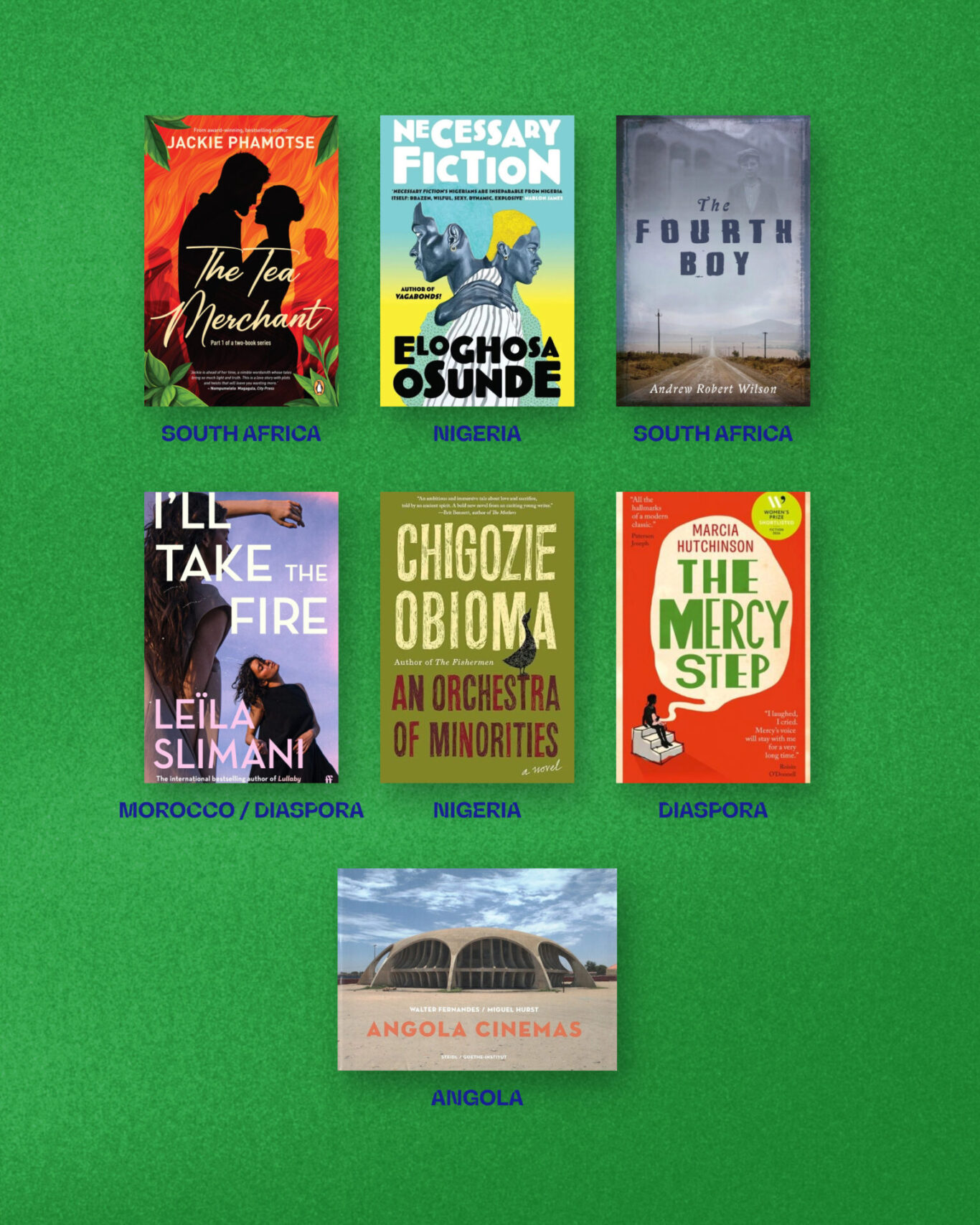
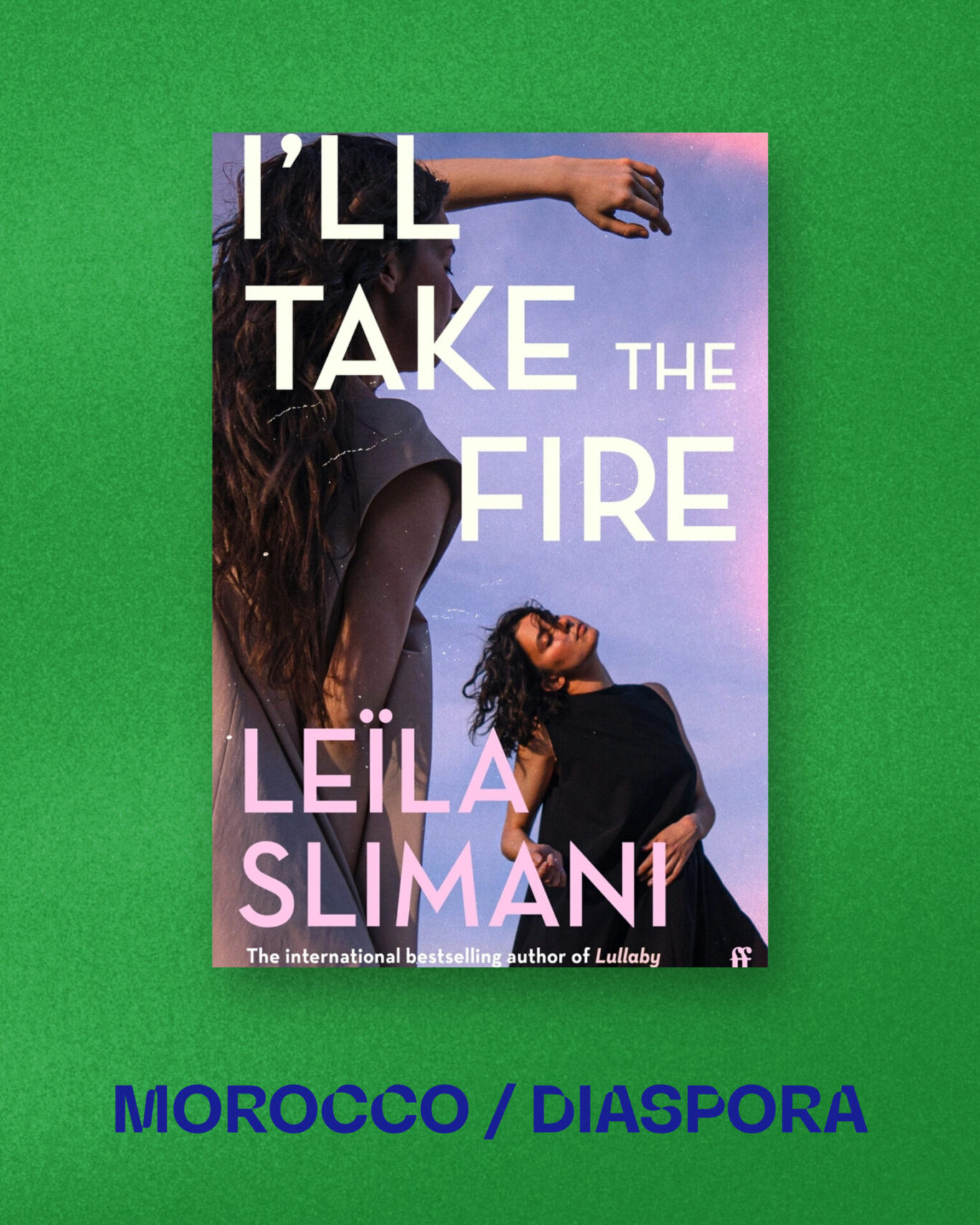
I’ll Take the Fire by Leïla Slimani
R430 from The Book Lounge
I’ll Take the Fire powerfully concludes Leïla Slimani’s deeply autobiographical trilogy, tracing the Belhaj family saga into turn-of-the-century Morocco. Spanning 40 turbulent years and traversing terrain from Casablanca to Paris, the novel follows two sisters – one gay, one straight – who both struggle against the confusing and stifling dictates of Moroccan society. Inspired by Slimani’s French grandmother, whose feisty and rebellious influence in a paternalistic family structure ultimately led her granddaughter to become a writer, the story explores the conflicting yearnings for freedom and belonging of Mia and Inés, caught as they are in the cultural pull of France. Slimani, a Prix Goncourt winner and Emmanuel Macron’s personal representative for the promotion of the French language and culture, reveals the subtleties of her characters with mastery and tenderness. Fuelled here by the raw need to share her family’s real-life tragedies, she creates characters so intimate and by now familiar, one can almost reach out and touch them. Lindy Cohen
Contemporary fiction (Nigeria)
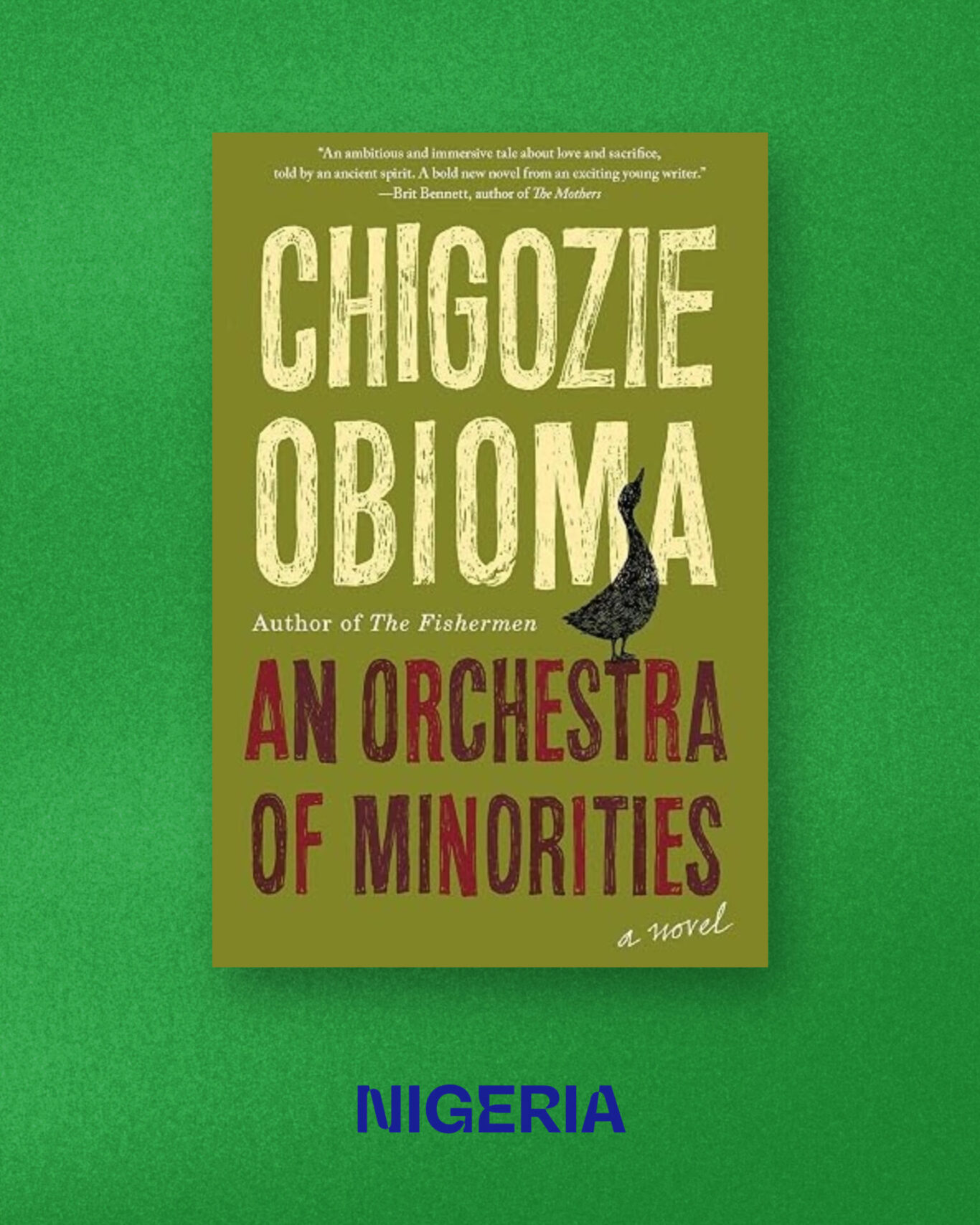
An Orchestra of Minorities by Chigozie Obioma
R180 (to order) from Clarke’s Bookshop
This is a book that takes you on a journey through love, naïveté, deceit and rage to a denouement from which there is little room to escape. Where the price of admission is gazing upon Igbo cosmology in amazement at the many names for gods and the hills and valleys where they reside. There is something very painterly and naturalist about the writing, and very tender. Even the shocks arrive with some warning, as though in conversation with the reader’s own chi. Written in the spirit of Homer’s Odyssey, this contemporary twist on the Greek tragedy plunges you into a world where an ordinary chicken farmer becomes someone to root for: a person with a fabled lineage you might not see when just looking at him in all his ordinariness, but whose destiny carries with it all the dreams and determination of his forebearers. Obioma brings an assured style to the tale, and a depth and wisdom that displays centuries-old knowledge passed down and kept alive in contemporary Igbo literature and culture. This is his second book, after 2015’s award-winning The Fishermen, and like its predecessor was a finalist for the Booker prize. Narrated by the protagonist’s chi (guardian spirit) it is a book to savour and relate to, especially when faced with one’s own experience of life’s inexorable pull towards uncertainty or misfortune. Luso Mnthali
Contemporary fiction (South Africa)
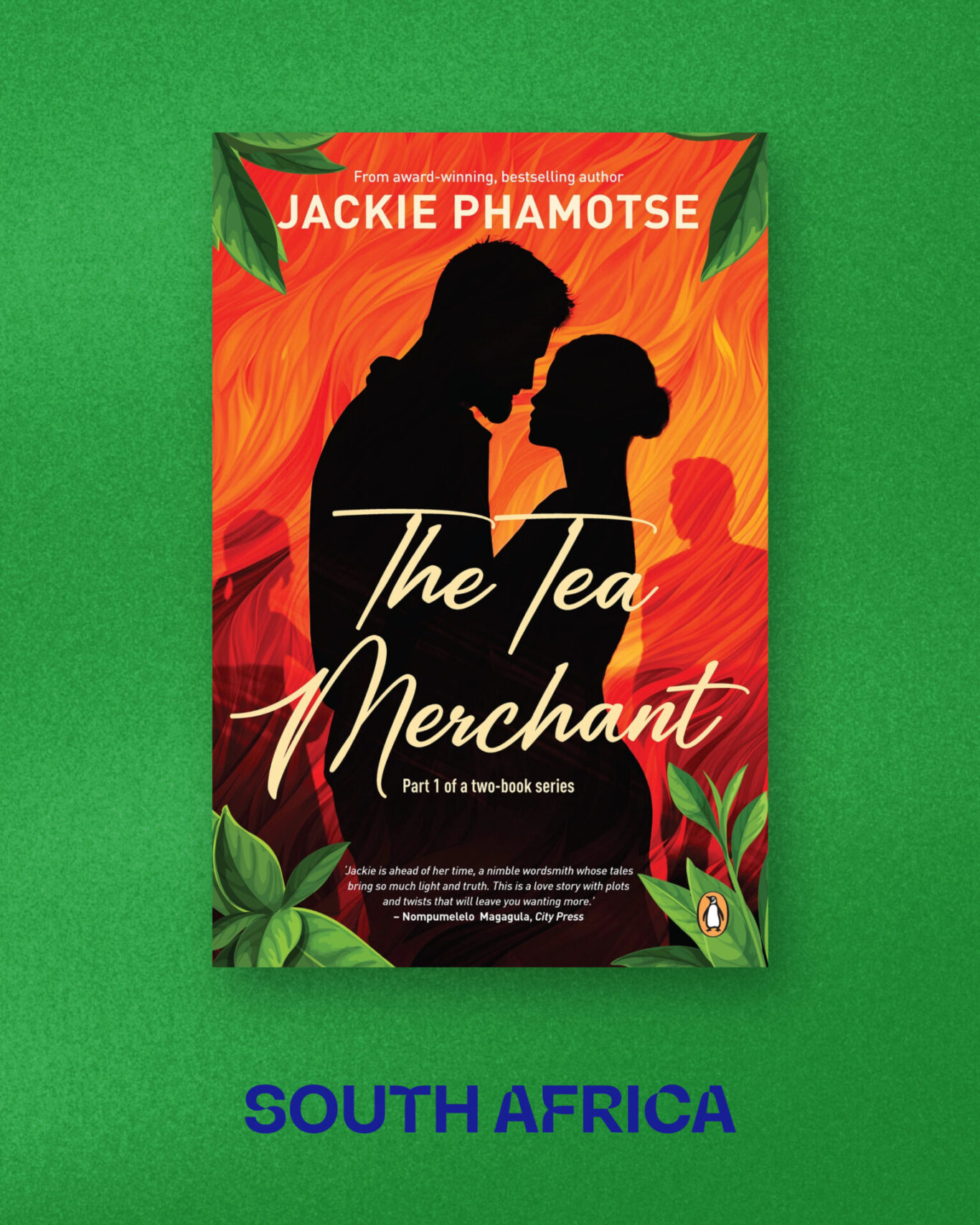
The Tea Merchant by Jackie Phamotse
R320 from The Book Lounge
Set against the beauty of the Cederberg, The Tea Merchant blends mystery, family drama and historical fiction. It begins with two young nurses, Luna Parks and Amora, whose chance meeting at a job interview takes an unexpected turn, binding them together through a secret that quietly shadows everything that follows. Years later, Luna arrives in Clanwilliam. Here, she becomes intertwined with Cameron Coal, a grieving rooibos farmer struggling to reconnect with his blind daughter while fighting to save his family farm. Alongside the mystery, the novel explores grief, family, inheritance, and belonging, while also asking deeper questions about ownership and legacy. A quiet sense of suspense runs throughout, slowly revealing truths while keeping you eager to know what happens next. Delise Francis
Contemporary fiction (Diaspora)
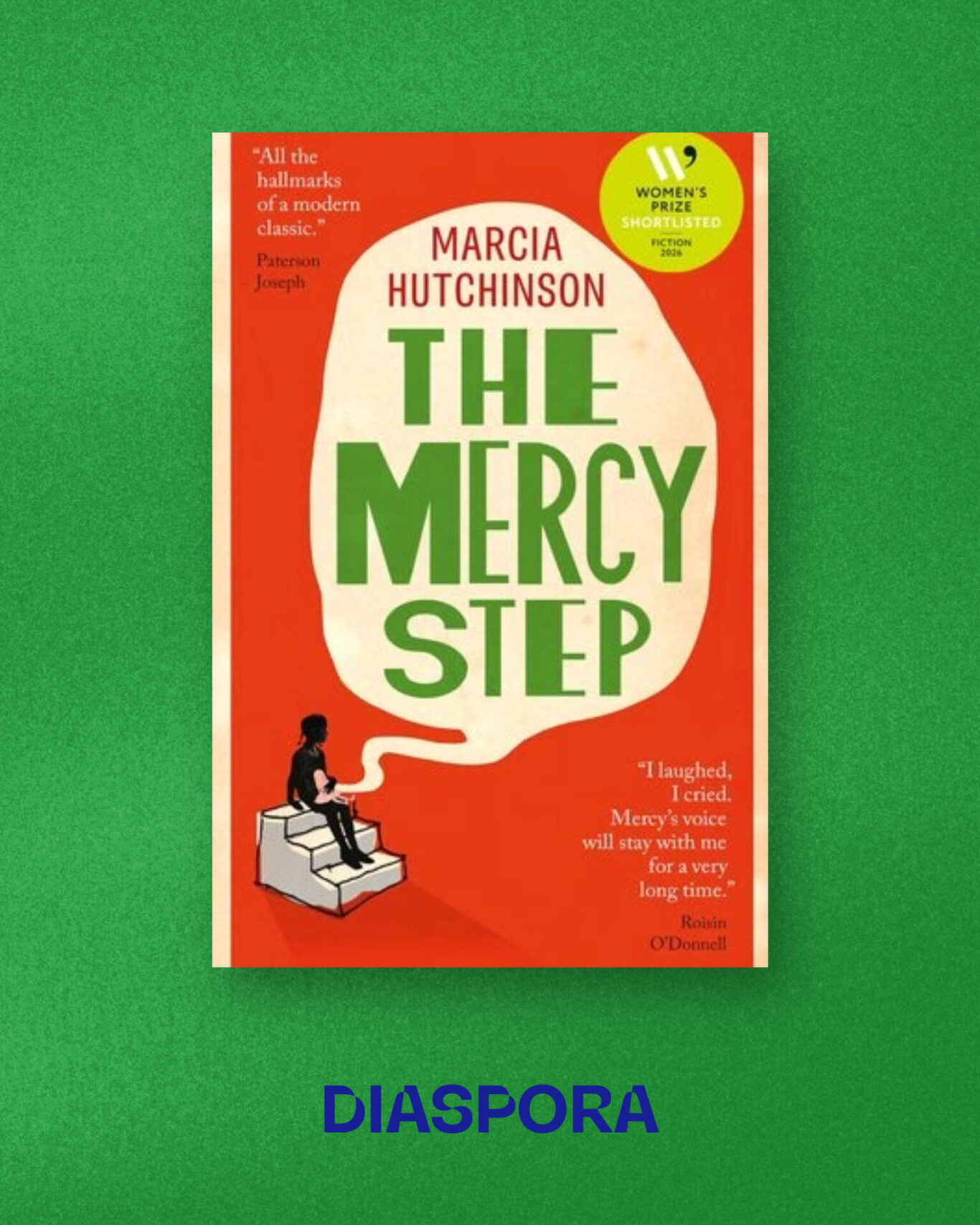
The Mercy Step by Marcia Hutchinson
R575 (to order) from The Book Lounge
Hutchinson’s debut novel, which was shortlisted for the 2026 Women’s Prize for Fiction, is something of a quiet marvel. The Mercy Step follows Mercy from the womb to age 11, a timeline that sounds modest until you realise how much living the author fits inside it – and it’s impressive how the novel handles heavy themes. Domestic violence, racism, poverty, and the particular loneliness of being a gifted child in a struggling household are all present, yet the prose never buckles under them. What makes this work is Mercy’s inner voice. She’s an unreliable narrator in the most technical sense and the gaps between what she understands and what the reader understands intentionally do a lot of the novel’s heaviest lifting. Few coming-of-age novels make a character feel this alive. This is a story that lingers long after the final page, and I highly recommend it. Amyn Bawa-Allah
Contemporary fiction (South Africa)
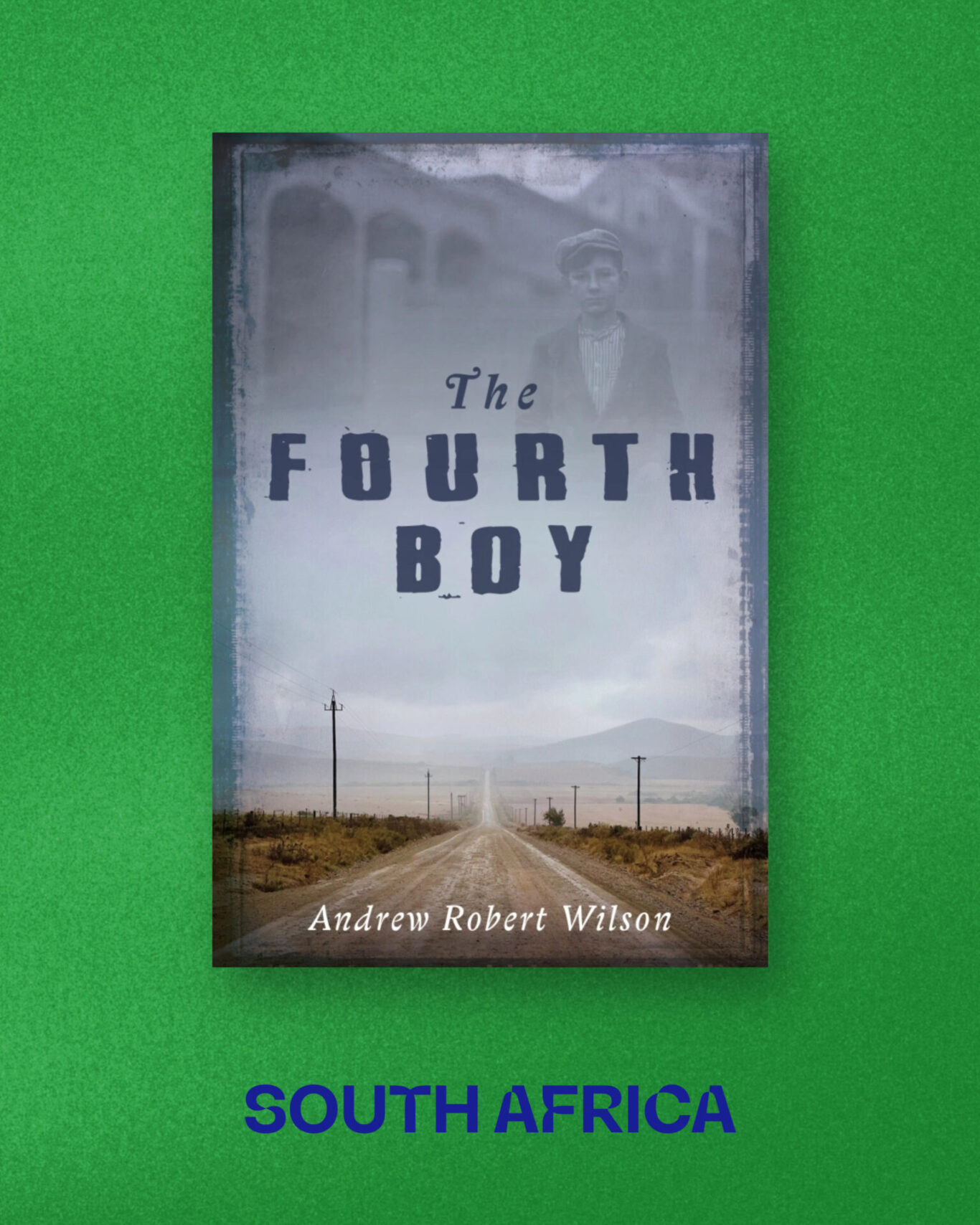
The Fourth Boy by Andrew Robert Wilson
R380 from The Book Lounge
The Fourth Boy is written in the first person, narrated by young journalist Grant Asher, in white 1980s South Africa. Pitched as a murder mystery, the book is also part-historical novel, part-romance, part-coming-of-age angst, and part-political commentary. This mixed identity adds historical fascination: the true story of 500 Polish refugee orphans who are welcomed into small-town Karoo during the Second World War makes for a bizarre and ironic intersection of fascisms. But the genre multiplicity does come at the cost of narrative tension and momentum. The book centres the white experience of apartheid South Africa – and as a result, the 1980s political violence and repression appear as atmosphere rather than as the lived reality of the black South Africans who were its primary targets and subjects. A historically intriguing novel that slips between the cracks of genres but remains worth reading for those willing to critically engage the structural white gaze. Shivani Ranchod
Contemporary fiction (Nigeria)
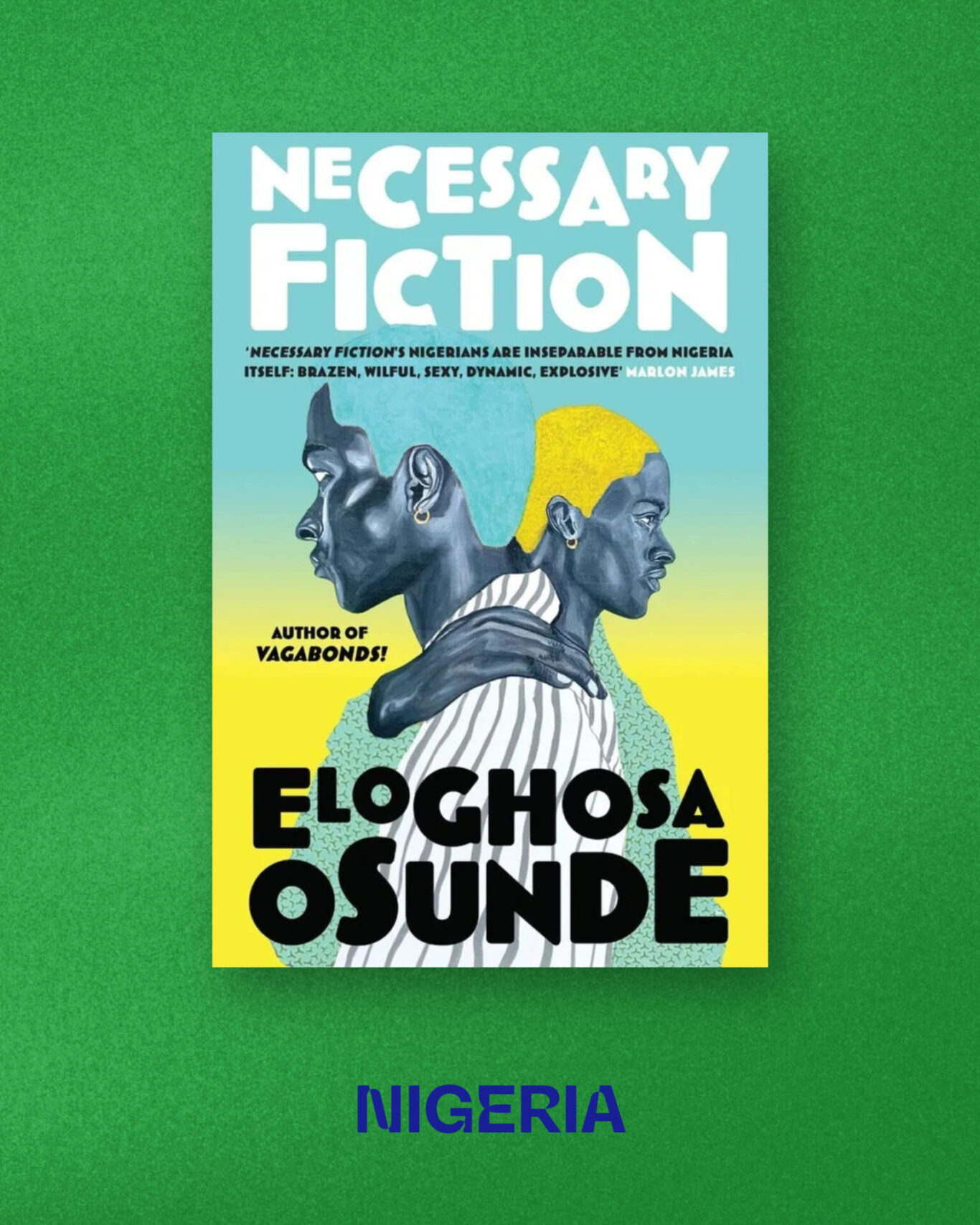
Necessary Fiction by Eloghosa Osunde
R425 from Exclusive Books
In Necessary Fiction, Eloghosa Osunde introduces us to a cast of charismatic and entirely unique characters. Through them, Osunde unravels the tender corners of humanity, and asks us who we are when we are around the people who matter most. What I was most impressed by was the book’s startling honesty. Osunde explores the relationships between partners, friends, lovers, even between religious parents and their queer children. Their writing is simple, evocative, and deeply moving. Their characterisation is unparalleled, and I am sure that I will be thinking of these characters, especially Maro, for a very long time. Necessary Fiction is essential reading: I have found a new ‘go-to’ book that I will be gifting to every reader I know. Riley Herbert-Henry
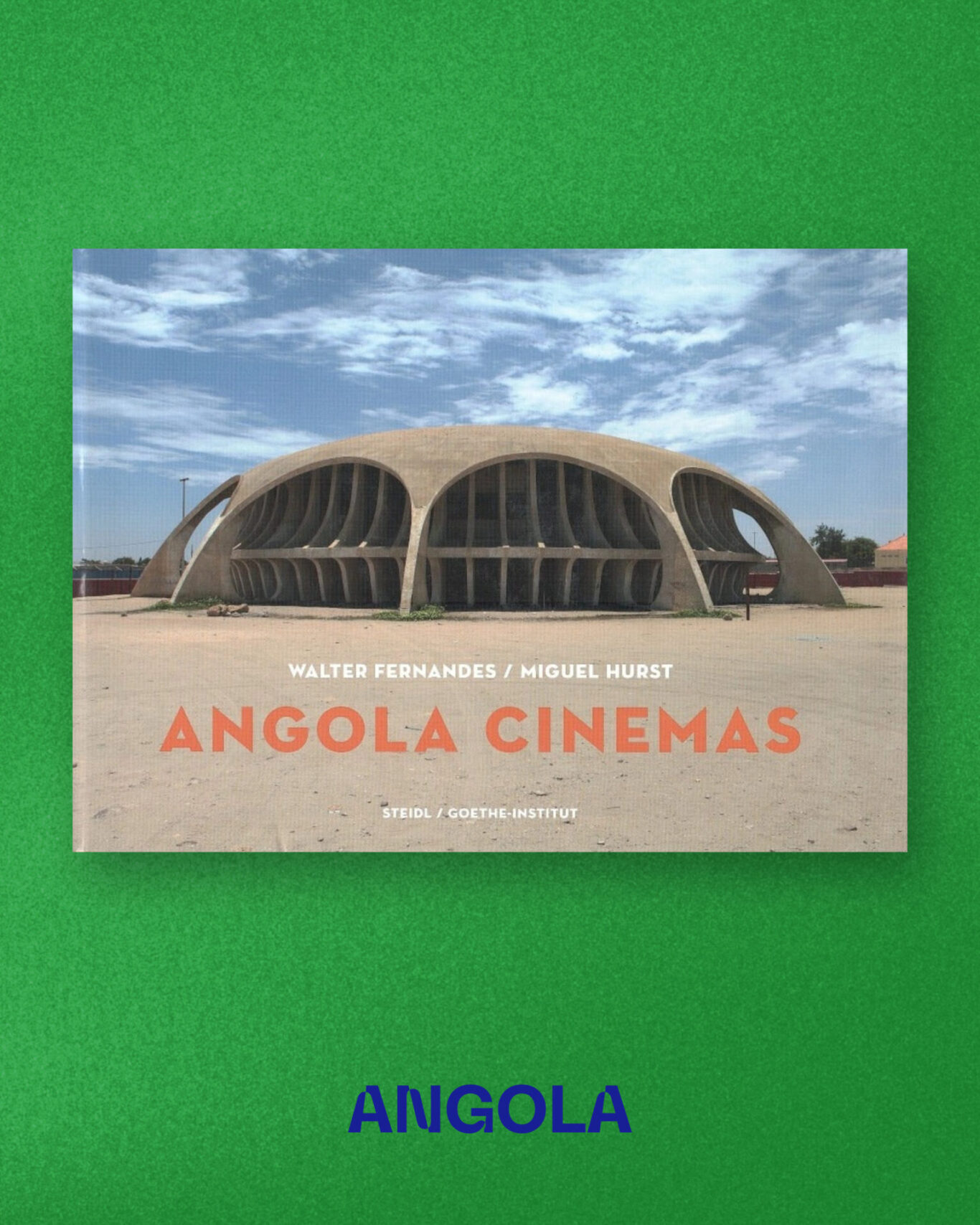
Architecture (Angola)
Angola Cinemas photographsby Walter Fernandes, edited by Miguel Hurst, Christiane Schulte and Gabriele Stiller-Kern
R950 from Clarke’s Bookshop
For anyone interested in the evolution of African ‘Tropical Modern’ architecture, this beautifully photographed – by Luanda-born journalist, photographer and filmmaker Walter Fernandes – and very well-designed book will be a treasure trove of interest and inspiration. With explanatory text in both English and Portuguese, it features images of almost 60 remarkable cinema buildings, built across the country of Angola between the 1930s and the 1970s. Visually entrancing, the book will also introduce many of its readers to a unique and delightful form of cinema building: the ‘cine-esplanada’, a partially or completely open-air movie theatre that was created here in response to the unique climactic and social conditions of their time and place. A film festival that took place in one of these structures, such as Cine Kalunga or Cine Impala, would most certainly be a memorably fabulous event. Architectural heritage aficionados – and those who just love going to the movies – will definitely want a copy of this wonderful book on their coffee tables. Robyn Alexander